







Why Humidity Is the Enemy
During the monsoon, humidity levels in India can soar to between 70% and 95%. This extreme moisture in the air is the primary culprit behind kitchen woes. It softens dry goods like biscuits and chips, encourages mould growth on everything from bread to spices,
and accelerates the breeding cycles of pests like cockroaches and weevils. Improperly stored dry goods can account for a significant portion of kitchen waste during this season. High humidity creates the perfect environment for bacteria and fungi to thrive, increasing the risk of foodborne illnesses, a concern highlighted by the Food Safety and Standards Authority of India (FSSAI).
Embrace the FIFO Method
One of the most effective systems for managing your pantry is ‘First-In, First-Out’ or FIFO. The principle is simple: use the oldest items first. When you buy new groceries, place them at the back of the shelf and move the existing items to the front. This ensures that food is consumed in the order it was purchased, drastically reducing the chances of anything expiring or spoiling in a forgotten corner. FIFO is a cornerstone of professional kitchens for maintaining food safety and minimising waste, and it’s just as powerful in a home setting, especially for perishable and semi-perishable goods.
The Power of a Clear Label
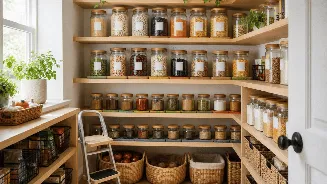
The FIFO method works best when paired with clear labelling. While it might seem like a chore, taking a moment to label your containers can save you time, money, and stress. Use a simple label to mark the name of the item and, most importantly, the date you stored it. This eliminates guesswork and helps you see at a glance what needs to be used soon. For items you transfer from their original packaging, like dals, rice, and spices, this practice is essential. It prevents you from mixing old and new stock and makes inventory checks quick and easy.
Airtight Containers Are Non-Negotiable
During the monsoon, original packaging like paper bags or thin plastic is not enough to protect your food. Humidity easily penetrates these materials, leading to clumpy sugar, soggy biscuits, and infested flour. Switching to airtight containers made of glass or high-quality plastic is the single most important upgrade for a monsoon-ready kitchen. These containers create a barrier against moisture and pests. Transfer items like grains, pulses, spices, and snacks into these containers immediately after purchase to preserve their freshness and extend their shelf life.
Extra Tips for a Healthy Monsoon Pantry
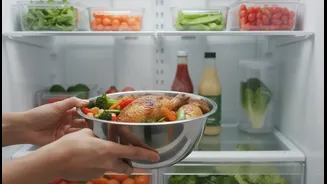
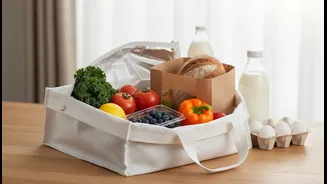
Beyond FIFO and labelling, other small habits can make a big difference. Avoid buying produce in bulk, as it spoils faster in damp weather. Before storing grains and pulses, you can lightly roast them or sun-dry them on a clear day to remove excess moisture. Adding natural moisture absorbers like a few bay leaves to your rice container or some cloves to dal can help repel pests. For leafy greens, wrap them in a paper towel before storing them in the fridge to absorb extra water. Finally, keep your refrigerator clean and don't overcrowd it, as good air circulation is key to keeping food fresh.
Keeping Pests at Bay
The monsoon often forces pests like ants and cockroaches indoors in search of dry shelter and food. Keeping your kitchen spotless is the first line of defence. Wipe down counters after every meal, empty your dustbin daily, and don't leave dirty dishes in the sink overnight. Seal any cracks or gaps around pipes where pests might enter. Natural repellents can also be effective; the smell of bay leaves or camphor can deter cockroaches, while a few cloves pushed into a lemon half can help keep flies away.