





From Reactive Repairs to Proactive Care
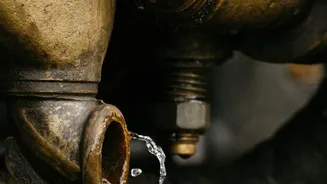
Managing a rental property is an investment of time and money. Shifting from a reactive mindset—fixing things only when they break—to a proactive one is crucial for protecting that investment. Reactive maintenance, like an emergency plumbing call for a burst
pipe, often costs significantly more than planned work. A structured maintenance calendar helps you anticipate tasks, budget accordingly, and extend the lifespan of your property's critical systems, from plumbing to the roof. It also demonstrates to your tenants that you are a responsible landlord, which can lead to longer tenancies and better care of the property. A well-maintained home is a key part of ensuring habitable conditions, which is a landlord's legal responsibility.
The Pre-Monsoon Water Defence Strategy
In India, the changing seasons dictate maintenance priorities, with the monsoon being the most critical period for water-related issues. Before the rains arrive, a thorough inspection is non-negotiable. Start with the roof, looking for any damaged or missing tiles and sealing any cracks. Next, clean out all gutters and downspouts to ensure rainwater can flow freely away from the building's foundation, preventing potential structural damage. Inspect exterior walls for any cracks in the paint or plaster that could allow water to seep in, leading to dampness and mould growth. Finally, check the seals around all windows and doors to prevent water ingress during heavy downpours. These steps are your first line of defence against the season's biggest threat: water damage.
Vigilance During the Monsoon: Leaks, Damp, and Drains
Once the monsoon begins, your focus should shift to monitoring and quick response. This is when leaks, damp spots, and drainage problems are most likely to reveal themselves. Regularly inspect interior ceilings and walls, especially near windows and on the top floor, for any signs of damp patches or water stains. Encourage your tenants to immediately report even minor drips, as these can signal a larger problem. Pay close attention to all drains, both inside and out. Ensure kitchen and bathroom drains are flowing freely to prevent clogs and backflow. Outside, make sure that garden and driveway drains are clear of debris that can accumulate quickly during storms. Grouping these water-related checks makes them more efficient and effective during the wettest months.
Post-Monsoon Recovery and Winter Preparation
After the rains subside, it's time to assess and repair. Conduct another thorough inspection to identify any damage the monsoon may have caused, paying special attention to any new damp spots or mould growth that needs treatment. As winter approaches, the focus shifts from rainwater to internal plumbing. Check water heaters and geysers to ensure they are functioning safely and efficiently before the demand for hot water increases. This is also an excellent time to shut off and drain any exterior water lines or sprinkler systems that won't be used during the colder months to prevent pipes from freezing and bursting.
Year-Round Diligence for Lasting Protection
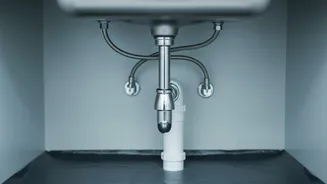
While seasonal checks are vital, some tasks require year-round attention. Monthly or quarterly checks should be a firm habit. Make it a routine to inspect under all sinks, around toilets, and near appliances like washing machines and water purifiers for any signs of small leaks or moisture. These minor drips can go unnoticed for months, leading to wood rot, mould, and costly water bills. Checking and cleaning faucet aerators and showerheads can also prevent mineral buildup and improve performance. Establishing a simple, regular checklist for these small but crucial tasks is the final piece of a comprehensive maintenance strategy that keeps your property secure and profitable.