




Beyond the Overcrowded Hotspots
Popular tourist destinations in India are facing increasing pressure from over-tourism, leading to congestion, strained infrastructure, and pressure on fragile ecosystems. While iconic sites draw massive crowds, countless other locations rich in culture,
nature, and history remain largely unexplored. Recognising this imbalance, the Ministry of Tourism is spearheading a strategic shift. The goal is to distribute tourist traffic more evenly across the country, boosting local economies and offering travellers more authentic and unique experiences. This move is not just about decongesting popular spots but about unlocking the full potential of India as a diverse tourism destination.
The Engine Room: 'Dekho Apna Desh 2.0'
At the heart of this strategy is the 'Dekho Apna Desh 2.0' campaign. Launched on World Tourism Day 2026, this initiative is a direct effort to promote tourism-ready, lesser-known destinations. In collaboration with states and industry partners, the campaign identifies places with unique appeal and adequate infrastructure. The focus is on creating bookable itineraries that integrate accommodation, transport, and local experiences, making it simpler for travellers to plan a trip. To further this, the ministry has signed MoUs with major travel platforms like MakeMyTrip and Airbnb to promote unexplored villages, develop homestays, and enhance responsible travel.
A Glimpse of the Unseen
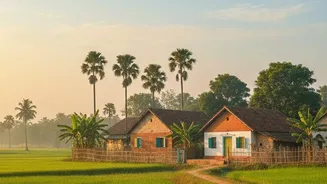
So, which destinations stand to benefit? The initiative targets thematic circuits, moving beyond single locations to curated travel experiences. Think less about a single city and more about exploring a Coastal Circuit, a Himalayan Circuit, or a Desert Circuit. Under the revamped Swadesh Darshan 2.0 scheme, the government is developing destinations with a focus on themes like wellness, adventure, and eco-tourism. For example, a place like Chandil in Jharkhand, known for its scenic dam and proximity to wildlife, is being developed from a casual picnic spot into a wholesome tourism destination with a focus on high-quality outdoor recreation and educative experiences. The initial focus for Dekho Apna Desh 2.0 includes hill and mountain alternatives, coastal towns, heritage locations, and regional pilgrimage sites.
Your Trip, Powered by Tech
This digital push extends directly to the traveller's fingertips. The revamped 'Incredible India' digital platform and mobile app now use AI to offer personalised recommendations, real-time weather updates, and city exploration guides. The recently launched National Digital Tourism Stack aims to create a unified ecosystem, connecting everything from hotels and homestays to local guides and transport services on an open network. This means travellers can more easily discover verified providers, plan complex trips, and even take virtual tours of a destination before booking. The goal is to make the entire journey—from inspiration to booking and on-ground navigation—more seamless and accessible.
The Road Ahead: Challenges and Opportunities
While the vision is ambitious, challenges remain. A significant hurdle is the digital divide; many rural areas still struggle with poor internet connectivity and lower levels of digital literacy, which can limit the reach of these online initiatives. Ensuring that the push for tourism is sustainable and benefits local communities without overwhelming them is another critical aspect. The government's strategy includes focusing on 'responsible tourism' and using visitor data to manage carrying capacity. For this digital transformation to succeed, it will require a collaborative effort between the government, private sector, and local communities to build infrastructure, provide training, and ensure that the economic benefits are shared widely.