







The Golden Rule of UPI PINs
There is one fundamental principle everyone using UPI must remember: you only need to enter your UPI PIN to send money or to approve a payment. You never, under any circumstances, need to enter your PIN to receive money. Think of your PIN as the key to your digital
vault. It is a secret code that authorises money to leave your account. When someone sends you money, it is deposited directly into your account without you needing to do anything or enter any code. Scammers rely on tricking you into forgetting this simple but crucial fact. They create a sense of urgency or confusion, hoping you will enter your PIN to “approve” or “accept” a payment, which in reality authorises a debit from your account.
How Scammers Exploit the 'Request Money' Feature
One of the most common tactics involves misusing the 'Request Money' or 'Collect Request' feature available on most UPI apps. Here’s how the scam typically unfolds: a fraudster contacts you, often posing as a buyer for an item you’ve listed online or claiming you’ve won a lottery. They will tell you they are sending you money and ask you to check your UPI app. Instead of initiating a payment, they send you a payment request. The notification on your app might look like an incoming payment, but it’s a request for you to send them money. If you proceed and enter your UPI PIN, you are not receiving funds; you are authorising a payment to the scammer. Due to the rise in such scams, the National Payments Corporation of India (NPCI) has tightened rules around this feature to better protect users.
Common Phishing Scams to Watch For
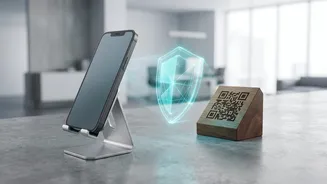
Fraudsters use various social engineering tactics to manipulate you into revealing your PIN or authorising payments. These include phishing, where they send fake links via SMS or email that lead to counterfeit websites designed to steal your UPI details. Another common method is the QR code scam. A scammer will send you a QR code and tell you to scan it to receive money. However, scanning a QR code and entering your PIN is exclusively for making payments. Be wary of fake customer support numbers found online; fraudsters post these numbers and, when you call, they may ask you to download screen-sharing apps to gain control of your device and access your financial information. Always remember, legitimate bank or UPI app representatives will never ask for your PIN.
How to Protect Yourself and Stay Vigilant
Protecting yourself from UPI fraud starts with vigilance and following basic security practices. Always double-check the details on the payment screen before entering your PIN. It will clearly state whether you are sending or receiving money and show the recipient's name. As of recent NPCI mandates, UPI apps must display the beneficiary's registered bank name, making it harder for scammers to use misleading display names. Never click on suspicious links or scan QR codes from unverified sources. Be skeptical of offers that seem too good to be true, like lottery wins or unbelievable discounts. If someone is rushing you to complete a transaction, take a moment to pause and review it carefully. Fraudsters often create a false sense of urgency to prevent you from thinking clearly.
What to Do If You Get Scammed
If you realise you have become a victim of a UPI scam, acting quickly is crucial to improve your chances of recovering the money. First, immediately call the national cybercrime helpline at 1930 to report the fraudulent transaction. Next, contact your bank to inform them of the unauthorised debit and ask them to block the transaction if possible. You should also report the fraud within your UPI app and file a formal complaint on the National Cyber Crime Reporting Portal (cybercrime.gov.in). The faster you report the incident through these official channels, the higher the likelihood that the authorities can trace and freeze the stolen funds.