







The Green Illusion
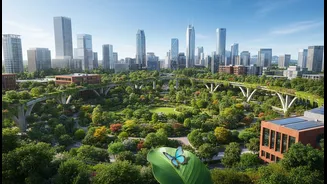
The push to make our urban landscapes greener is one of the most visible responses to climate change. From rooftop gardens to sprawling parks, adding vegetation seems like an obvious solution. Planners often rely on satellite data to measure this 'greenness',
using metrics that tell them how much plant life covers an area. The problem is that these tools often provide an incomplete picture. They can confirm that an area is green, but they can't easily distinguish between a resilient, biodiverse patch of native trees and a simple, manicured lawn. This focus on quantity over quality is the first common mistake. It leads us to believe we are making progress, when in reality, we might be creating green spaces that are not fit for purpose.
Why 'Green' Is Not Always Cool
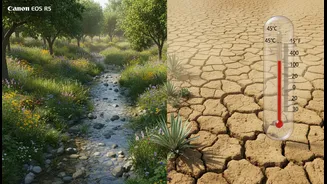
One of the most pressing challenges for Indian cities is the urban heat island effect, where concrete and asphalt absorb and radiate heat, making urban areas significantly warmer than their rural surroundings. Green spaces are meant to combat this. However, not all green is created equal when it comes to cooling. A large, mature tree with a dense canopy provides substantial shade and cools the air through a process called evapotranspiration. A grassy field, while green, offers almost no shade and has a much smaller cooling effect. Relying only on a measure of 'greenness' can lead planners to approve projects that look good from a satellite but do little to reduce the dangerous, life-threatening heat waves that are becoming more frequent and intense in our cities. True climate resilience requires us to measure the actual cooling impact of our green infrastructure, not just its colour.
The Danger of a Monotone Green
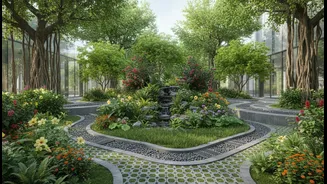
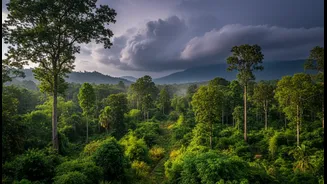
Another critical mistake is ignoring biodiversity. When urban greening projects focus on planting just one or two types of hardy, fast-growing trees or grasses, they create a monoculture. While these areas are green, they are also ecologically fragile. Such landscapes are highly vulnerable to pests and diseases, which can wipe out an entire urban forest in a short time. In contrast, a biodiverse ecosystem with a wide variety of native plants supports a complex web of life, including birds and pollinators. These resilient systems are better at sequestering carbon, managing stormwater, and adapting to changing climate conditions. Urban nature that is not biodiverse is less stable and provides fewer benefits. Focusing on biodiversity ensures that our green spaces are not just decorative, but are functional, living systems that contribute to the city's overall health.
A Smarter Blueprint for Cities
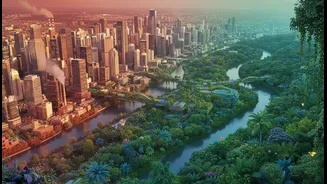
To avoid these common errors, urban planners, students, and climate advocates are adopting a more holistic approach. Instead of just chasing 'greenness', the new standard is to integrate three key metrics: vegetation, heat, and biodiversity. Modern planning tools now allow cities to move beyond simple satellite views. They can simulate how different types of trees will affect temperatures on a specific street, quantify the biodiversity potential of a new park, and model how to connect fragmented habitats to create ecological corridors for wildlife. This functionality-focused method helps in making strategic decisions, like choosing native, climate-resilient species that will thrive in future conditions and provide the maximum benefit for both people and nature. It represents a shift from seeing green space as a cosmetic addition to understanding it as critical, high-performing infrastructure.
Planning for People and Planet
Ultimately, this smarter approach is about creating cities that are not only more resilient to climate change but are also more equitable and liveable. In many cities, low-income neighbourhoods have less access to high-quality green spaces, leaving them more exposed to extreme heat and pollution. A poorly planned greening initiative can even lead to 'green gentrification', where rising property values push out the very residents the project was meant to help. By focusing on functional benefits like cooling and biodiversity, planners can target interventions where they are needed most. This ensures that the environmental and health benefits — such as reduced heat stress, better air quality, and improved mental well-being — are distributed fairly. It is about building communities where everyone has access to safe, healthy, and resilient natural spaces.