






Respect the Rain, Plan for Disruption
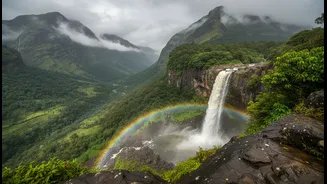
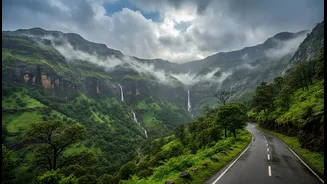
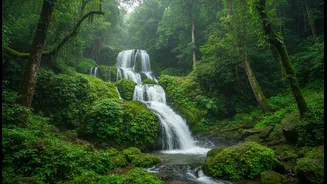
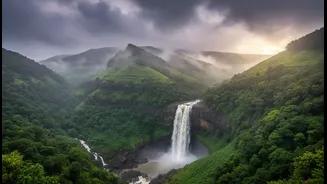
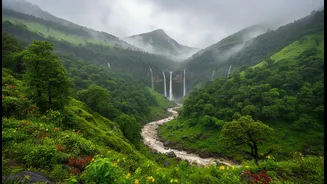
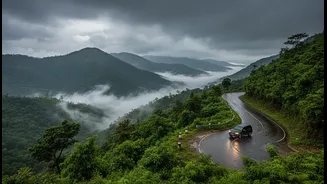
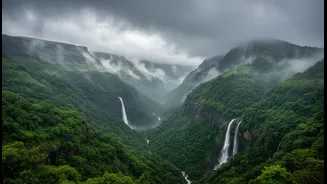
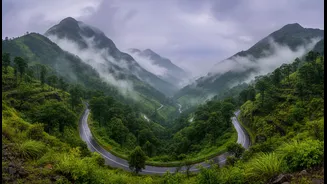
The monsoon transforms Kerala into a verdant paradise, with waterfalls at full roar and tea gardens shrouded in mist. This is the season that rejuvenates the land and offers a unique, tranquil beauty often missed during the peak tourist months. However,
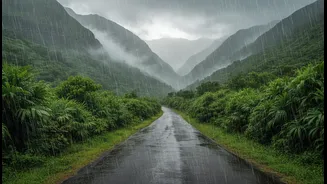
the beauty comes with a price: unpredictability. The romantic notion of gentle showers can be quickly replaced by the reality of torrential downpours that cause significant disruption. Heavy rain can lead to flash floods, waterlogging in cities, and, most seriously, landslides in the hilly regions of the Western Ghats like Munnar and Wayanad. Recent incidents, including a fatal landslide in Wayanad in July 2026, underscore the very real dangers. Therefore, the first step in planning is acknowledging that the monsoon is not just a backdrop for your photos; it is a powerful force that demands respect and a flexible itinerary.
Smarter Itinerary, Safer Destinations
Over-scheduling is a common mistake. A 6-day trip covering Munnar, Thekkady, and Alleppey might seem feasible on a map, but during the monsoon, travel times can easily double due to road conditions. It's far better to choose two or three destinations and explore them properly. While hill stations are beautiful, they carry a higher risk of landslides and road closures during red or orange alerts from the India Meteorological Department (IMD). Always check local advisories before travelling to high-altitude areas. Consider destinations like the backwaters of Alleppey or Kumarakom, but book with licensed, reputable houseboat operators who prioritize safety and will moor during severe weather. Coastal areas like Varkala are dramatic, but swimming is strictly off-limits due to rough seas. The season is also considered ideal for Ayurveda treatments, as the humid climate is thought to enhance their efficacy.
Navigating Transport Challenges
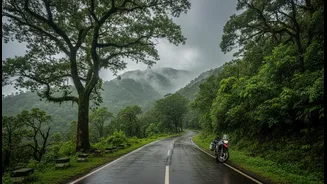
Getting around Kerala during the monsoon requires patience. Flights can be delayed, and train schedules might be affected by heavy rains. Road travel, especially in hilly areas, is most impacted. Temporary road closures are common, and driving at night should be avoided. Before embarking on a long drive, always check the current status of the roads. If you're renting a car, ensure it is in good condition. For many, hiring an experienced local driver who understands the terrain and weather patterns is the safest and most sensible option. They are adept at navigating tricky conditions and are often aware of alternative routes if the primary one is blocked. Don't rely on aggressive travel timelines; build buffer days into your schedule to account for potential delays.
Health and Hygiene Must-Haves
The monsoon's high humidity and stagnant water create breeding grounds for mosquitoes and waterborne diseases. Dengue, chikungunya, and malaria are real risks. Using a strong insect repellent is non-negotiable, especially in backwater and forested areas. It's also crucial to prevent waterborne illnesses like typhoid and cholera. Drink only boiled, filtered, or bottled water from reputable sources and avoid street food that may have been exposed to contaminated water. Keep a basic first-aid kit with essentials like antiseptic wipes, bandages, and medication for diarrhea or fever. Given the damp conditions, fungal skin infections can also be an issue, so keeping dry is important.
Pack for a Practical Monsoon Trip
Your packing list should prioritize function over fashion. Leave the heavy jeans and cottons at home; they take forever to dry in the humid air. Instead, opt for lightweight, quick-dry synthetic fabrics. A reliable raincoat or poncho and a sturdy umbrella are essential. When it comes to footwear, waterproof shoes or sandals with excellent grip are a must to navigate slippery, uneven surfaces. Pack a light sweater or jacket for the cooler evenings in hill stations like Munnar. To protect your valuables, use waterproof bags or covers for electronics like phones and cameras. It's also wise to carry a power bank, as power cuts can occur during heavy storms.