




More Than Just a Condiment
In the landscape of a traditional Indian thali, chutney is a humble but essential player. It cleanses the palate, adds a kick of flavour, and provides a delightful contrast in texture. But its role extends far beyond taste. Chutneys are often uncooked
or minimally processed, which means they retain a high concentration of vitamins, minerals, and antioxidants from their fresh ingredients. These micronutrients are vital for everything from boosting immunity to supporting metabolism and protecting our cells from damage. For those on a vegetarian diet, where certain nutrients require more careful planning, chutneys offer an easy and delicious way to fill potential gaps.
The Green Powerhouse: Coriander and Mint
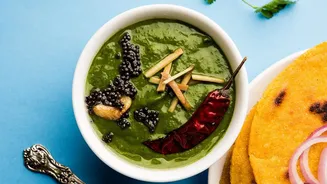
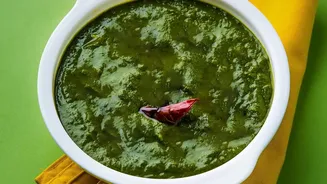
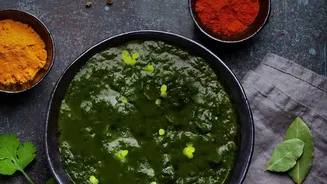
The ubiquitous green chutney, made from fresh coriander and mint leaves, is a nutritional hero. Coriander is a fantastic source of Vitamin K, essential for bone health, and also contains Vitamin C and Vitamin A. Mint is celebrated for its digestive properties, helping to soothe the stomach and reduce inflammation. When combined with green chillies and lemon juice, this chutney becomes a potent mix of antioxidants. Green chillies provide a surprising amount of beta-carotene, beneficial for eye and skin health, while the added lemon juice not only brightens the flavour but also increases the Vitamin C content, which aids in the absorption of iron from the rest of the meal.
The Tangy Protectors: Amla and Tamarind
Tangy chutneys are exceptional for building the body's defences. Amla, or the Indian gooseberry, is one of the most potent natural sources of Vitamin C on the planet, containing significantly more of the vitamin by weight than an orange. This makes amla chutney a powerful immunity booster, especially during season changes. Tamarind, the base for the popular sweet and sour 'imli' chutney, is rich in antioxidants and essential minerals like magnesium and potassium. It has also been studied for its potential benefits in improving heart health and offering liver-protective properties. Often balanced with dates or jaggery, these chutneys provide energy and minerals like iron.
The Southern Staple: Coconut and Lentils
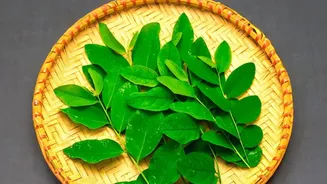
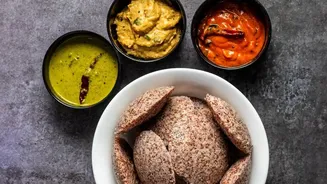
In South India, coconut chutney is a breakfast mainstay for good reason. Freshly grated coconut is a source of healthy medium-chain fatty acids (MCFAs) and minerals like manganese, which is crucial for bone health and metabolism. While higher in calories, it provides sustained energy. Often, the tempering for these chutneys includes lentils (like urad dal or chana dal), which add a delightful crunch and a subtle boost of plant-based protein and fibre to the meal. The addition of curry leaves, ginger, and asafoetida in the 'tadka' not only creates an irresistible aroma but also brings anti-inflammatory and digestive benefits to the table.
The All-Rounders: Tomato and Garlic
Tomato and garlic chutneys offer robust flavours and significant health perks. Cooked tomatoes are a prime source of lycopene, a powerful antioxidant linked to a reduced risk of certain diseases and improved heart health. Garlic is famous for the compound allicin, known for its antibacterial and antiviral properties. A simple chutney combining these two, perhaps with a few spices, can be a great companion to parathas and dosas. Other vegetable-based chutneys, using everything from carrots to beetroot, are also a clever way to sneak an extra serving of vegetables into your diet, enhancing the meal with fibre and a wide array of vitamins.