


The Undeniable Allure of Instant
Let’s be honest: convenience is king. In bustling urban centres, with demanding work schedules and the pressures of modern life, the appeal of a meal that’s ready in minutes is powerful. The convenience food market in India is booming, driven by urbanisation
and changing lifestyles. These products save time and labour, slotting perfectly into a fast-paced world where home-cooked meals can seem like an unaffordable luxury. For many, especially the younger generation and working professionals, ready-to-eat packets and fast food are no longer an occasional treat but a daily reality. This shift has fundamentally changed daily consumption patterns, moving away from meals prepared from scratch towards processed and packaged options.
Nutrition Beyond the Calories
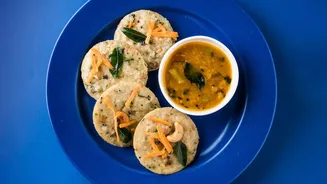
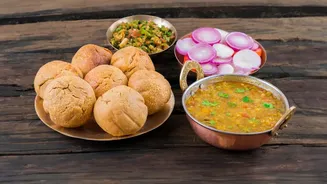
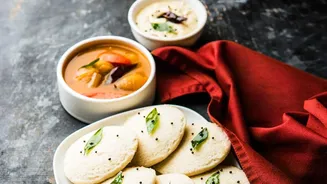
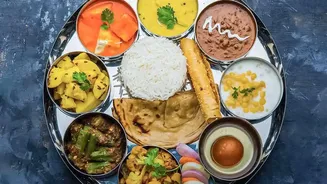
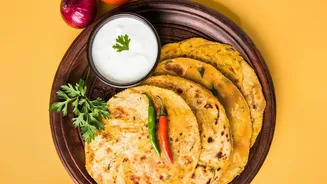
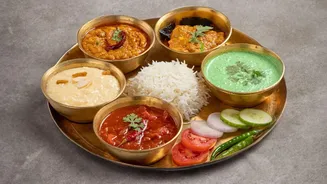
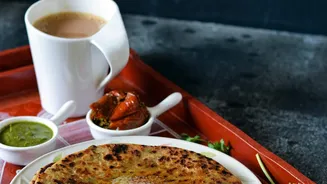
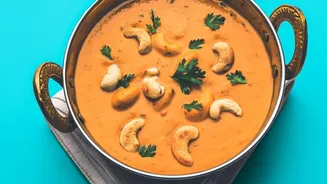
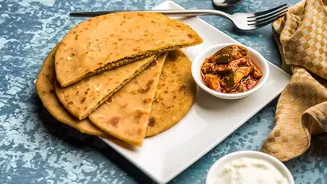
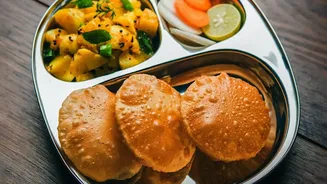
While convenience foods fill a gap, traditional Indian meals nourish on a much deeper level. Rooted in Ayurvedic principles, our cuisine was designed for holistic well-being long before 'wellness' became a trend. The magic lies in the synergy of its ingredients. The classic combination of dal and rice, for instance, creates a complete protein profile. Spices like turmeric, cumin, and ginger aren't just for flavour; they possess powerful anti-inflammatory and digestive properties. Curcumin in turmeric, for example, is known to help reduce the risk of chronic diseases. Methods like fermentation, used to make foods like idli and dosa, promote gut health by providing beneficial probiotics, which can lead to greater microbial diversity in the gut compared to a typical Western diet.
A Taste of Identity and Connection
Food in India is rarely just about sustenance; it is a marker of our identity. It connects us to our family, community, and cultural heritage. Recipes passed down through generations are vessels of memory and love. Festivals are defined by their specific dishes, from the sweet richness of sheer khurma on Eid to the exchange of laddoos and barfis during Diwali. The concept of 'Atithi Devo Bhava' (The guest is God) is deeply intertwined with the act of offering food, making it a cornerstone of hospitality. In this context, a home-cooked meal offers a unique emotional and psychological comfort—a feeling of belonging that a factory-produced meal simply cannot replicate.
The Slow Food Counter-Movement
As a reaction to the dominance of fast food, a quiet but growing movement is underway to preserve and celebrate India's culinary heritage. Some chefs and culinary historians are actively working to revive 'lost recipes' that have faded from common use due to cultural shifts and a lack of documentation. This revival is not just about nostalgia; it’s about recognizing the wisdom in these traditional practices. Furthermore, a new wave of startups and restaurants are finding innovative ways to bridge the gap, offering healthier, 'clean' meal options and even reviving interest in ancient grains and organic produce. They are proving that traditional food doesn't have to be inconvenient, making it accessible to a new generation that cares about both their health and their heritage.