



The Backlash Against Perfect
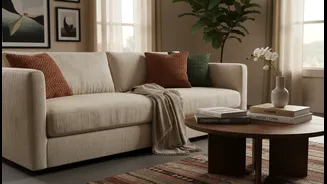
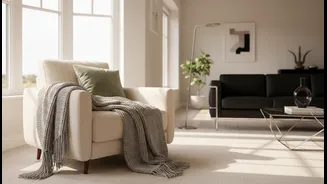
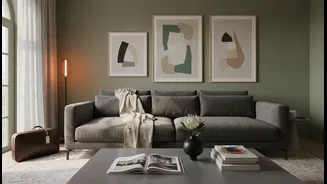
For the better part of a decade, a specific aesthetic reigned supreme in interior design. Dubbed everything from “millennial-minimalist” to “sad beige,” it was characterized by neutral color palettes, sparse decor, and an almost clinical level of tidiness.
These spaces looked pristine on Instagram but often felt impersonal and sterile, more like showrooms than actual homes. The pressure to maintain this level of perfection has led to a collective design burnout. People are tired of spaces that feel like a performance. As a result, a pendulum is swinging in the opposite direction, toward interiors that celebrate personality, history, and the beautiful messiness of a life well-lived.
Welcome to the 'Lived-In' Vibe
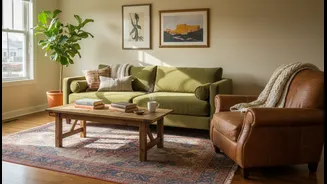
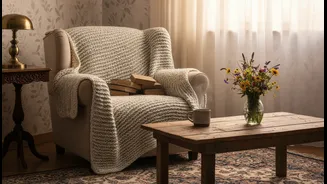
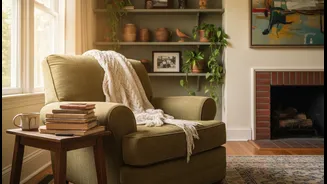
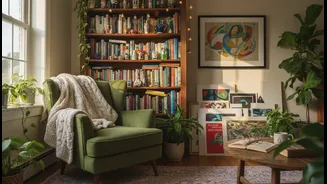
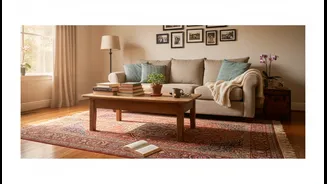
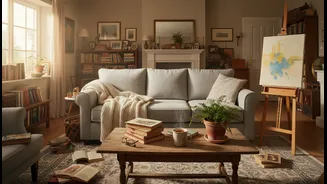
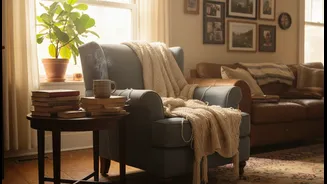
So, what does a “lived-in” home look like? It’s not about being messy, but about being authentic. This ethos is captured by several interconnected micro-trends currently buzzing online. One is “bookshelf wealth,” which champions the art of a full, layered shelf, not with color-coded spines, but with books that have actually been read and loved. It is a style that suggests a story, where personal treasures and art are displayed in unconventional ways, perhaps stacked on the floor or hung over a bookcase. This is a far cry from hyper-minimalist displays, focusing instead on creating a cozy, inviting atmosphere that reflects the inhabitant's personality. The goal is to curate a space that feels earned and collected over time, not bought in one weekend.
From Curation to Comfort
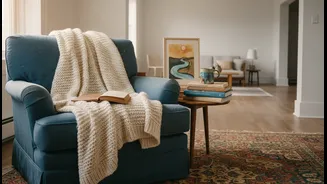
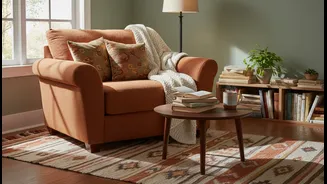
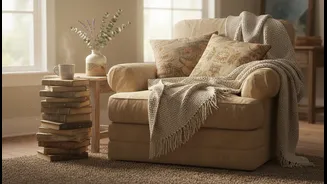
Another facet of this movement is “dopamine decor.” Inspired by the fashion trend of “dopamine dressing,” the idea is to fill your home with colors, textures, and objects that genuinely make you happy and stimulate your brain’s pleasure centers. This approach encourages self-expression and creativity, prioritizing personal joy over following strict design rules. It’s a direct response to years of being told to follow trends, instead giving homeowners permission to create spaces that feel good to them. The goal is to surround yourself with things that have personal meaning, whether it's your children's artwork, quirky vintage finds, or brightly colored furniture. The result is a home that acts as a refuge and a true reflection of the self.
Cluttercore and Organized Chaos
Taking this idea a step further is “cluttercore,” an aesthetic that artistically embraces and arranges the things you love, all at once. It’s crucial to distinguish this from hoarding or actual mess. Cluttercore is a carefully curated and organized display of personal collections, sentimental items, and meaningful objects that tell your story. It's about finding beauty in abundance and creating layers of visual interest. This trend gained traction as people spent more time at home, realizing the comfort that comes from being surrounded by personal history. It's a celebration of individuality and a rejection of the idea that a home must be sparse to be beautiful.
Letting Your Home Tell Its Story
Ultimately, the rise of the lived-in home is about a collective shift in values. After years of chasing an unattainable and often soulless perfection, there's a growing desire for authenticity, comfort, and personal expression. It’s a move away from designing for an imaginary audience on social media and a return to creating spaces for the people who actually live in them. It’s less about having a home that looks perfect and more about having a home that feels right. This means embracing the scuffs, the overflowing bookshelves, and the art taped to the fridge. It’s about letting your home be a living document of your life, not a static, sterile set.