

Why Your Indoor Pet Needs Stimulation
Environmental enrichment is the process of creating a more stimulating and dynamic living space for your pet. It is not a luxury, but a fundamental need. For animals that evolved to hunt, forage, and explore, a static indoor environment can lead to boredom,
stress, and frustration. This can manifest in undesirable behaviours such as destructive chewing, excessive barking or meowing, aggression, or withdrawal. By providing outlets for their natural instincts, we can significantly improve their mental and physical well-being, reducing the risk of anxiety, obesity, and other health issues. Enrichment gives your pet a sense of control over their world and a 'job' to do, which fosters confidence and contentment.
For Cats: Engage the Inner Hunter
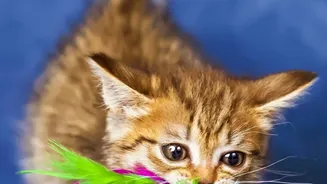
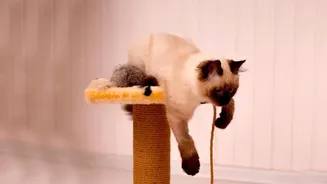
Cats are natural predators, and their enrichment should focus on mimicking the 'hunt, catch, kill, eat' cycle. Start by making mealtime more engaging. Instead of a simple bowl, use puzzle feeders or hide small portions of their food around the house for them to find. Interactive play with wand toys that flutter and dart like prey is crucial for their physical and mental health. Cats also need vertical space to feel secure and in control. Cat trees, window perches, or even cleared bookshelves give them a place to climb, observe their territory, and watch the world outside. Simple items like cardboard boxes and paper bags can also provide endless entertainment as hiding and pouncing spots.
For Dogs: Satisfy the Curious Explorer
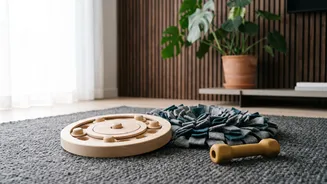
Dogs experience the world primarily through their sense of smell. Scent work is one of the most powerful forms of enrichment for them. Games like hiding treats around a room or using a 'snuffle mat' allow them to use their noses, which is both mentally tiring and deeply satisfying. Puzzle toys that require them to slide, lift, or spin components to get a reward are excellent for problem-solving. You can even turn mealtimes into a fun challenge by using a muffin tin, placing kibble in the cups, and covering them with tennis balls for your dog to remove. Rotating toys every few days keeps them novel and exciting, preventing your dog from getting bored with the same old options.
Easy and Low-Cost DIY Ideas
Enrichment doesn't have to be expensive. Many effective toys can be made from items you already have at home. For both dogs and cats, a simple puzzle can be created from an empty toilet paper or paper towel roll. Just fold in the ends and poke a few small holes for treats to fall out as they bat it around. For dogs, you can create a snuffle mat by tying fleece strips to a rubber mat or even just by rolling treats up in an old towel. For cats, a cardboard box with a few holes cut into it becomes an instant fort and fishing game when you drop toys or treats inside. Even a crumpled-up piece of paper can provide a surprising amount of fun.
Beyond Toys: Sensory and Social Fun
Enrichment isn't just about objects; it's also about experiences. Stimulating your pet's other senses can be just as beneficial. For dogs, varying your walking route introduces a world of new smells to investigate. For cats, safely bringing in items from outside, like a non-toxic leaf or stick, can be fascinating. Installing a bird feeder outside a window provides 'cat TV' and hours of visual stimulation. Playing calming music designed for pets can help reduce anxiety. Most importantly, social enrichment through positive training sessions and quality time spent playing together strengthens your bond and provides the interaction that all companion animals crave.