



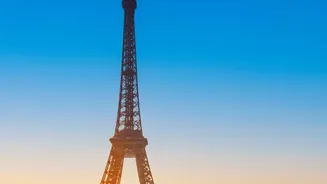
France promises romance, history, and culture, but the reality of its most famous landmarks can be a different story. The dream of a perfect photo can quickly dissolve in a sea of selfie sticks, long queues, and overwhelming hype.
The Eiffel Tower: A Test of Patience
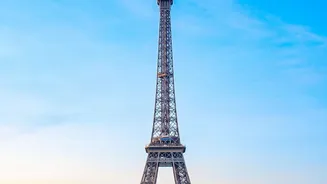
The icon of Paris is,
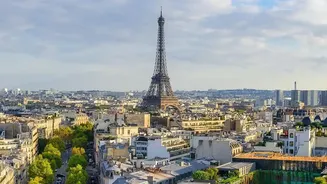
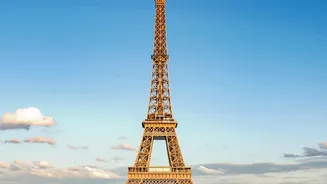
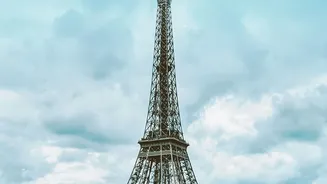
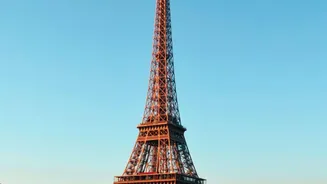
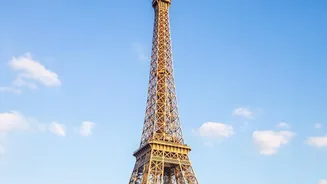
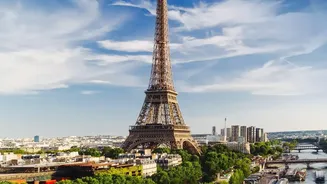
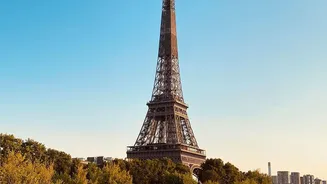
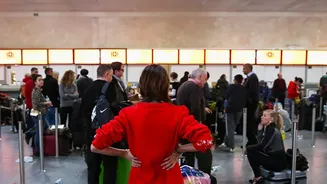
for many, also the epicentre of frustration. The experience of ascending the Eiffel Tower often involves multiple queues: one for security, another for tickets, and a third for the lifts. During peak season, these waits can stretch for hours, even with pre-booked tickets. Once at the top, the view is undeniably spectacular, but it's a view that is conspicuously missing its most famous element—the tower itself. The sheer volume of visitors can make the experience feel more like a stressful obligation than a romantic moment. For a more relaxed and arguably better panoramic view of Paris that includes the Eiffel Tower, consider heading to the rooftop of the Arc de Triomphe or the viewing deck of the Montparnasse Tower. These alternatives offer breathtaking sights with a fraction of the wait time.
The Mona Lisa: A Small Wonder Lost in a Crowd
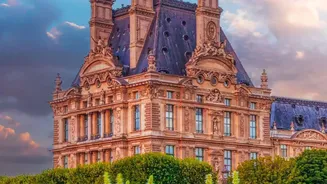
Inside the vast Louvre Museum lies its most famous, and perhaps most disappointing, resident. The Mona Lisa is famously much smaller in person than most people imagine—roughly 77 by 53 centimetres. This intimate portrait is viewed from a distance, separated from the public by barriers and bulletproof glass. The main event is often the crowd itself, a dense wall of visitors jostling for a 30-second glimpse through a forest of raised smartphones. In one analysis of over 18,000 online reviews of famous artworks, the Mona Lisa was ranked the most disappointing, with 37.1% of comments being negative. Her fame is partly an accident of history; a 1911 theft catapulted the painting to global stardom. For a more rewarding art experience in Paris, consider the Musée d'Orsay, which houses a stunning collection of Impressionist masterpieces in a beautiful former railway station, or the Musée Rodin, where you can wander through a serene garden filled with breathtaking sculptures.
Mont Saint-Michel: A Medieval Bottleneck
Rising dramatically from a tidal bay, Mont Saint-Michel is a breathtaking sight from afar. Up close, however, the experience can be trying. This UNESCO World Heritage site sees over three million visitors a year, with daily numbers in summer reaching 15,000 or more. The island's single main street, Grande Rue, becomes a bottleneck, channelling crowds through a gauntlet of souvenir shops and overpriced restaurants. The charm of the medieval village can be completely lost in the shoulder-to-shoulder shuffle. To experience its magic, the key is timing. Visiting very early in the morning (before 10 a.m.) or late in the afternoon (after 5 p.m.) allows you to explore the cobbled streets in relative peace. For a similar medieval hilltop experience without the intense crowds, consider visiting the town of Dinan in nearby Brittany or one of the stunning Cathar castles in the south of France.
The French Riviera: Beyond the Hype of Saint_Tropez
The name 'French Riviera' evokes images of glamour, yachts, and sun_drenched beaches. While towns like Saint_Tropez and Cannes deliver on the luxury, they also come with staggering prices, impossible reservations, and peak_season crowds that can feel overwhelming. But the Côte d'Azur is more than just its most famous hotspots. For a more authentic and relaxed experience, explore some of the lesser_known coastal gems. Towns like Antibes offer a historic old town and a beautiful port without the same intensity. Menton, near the Italian border, is renowned for its colourful architecture and has a more laid_back vibe. Further west, the fishing village of Cassis provides stunning scenery with its dramatic calanques (rocky inlets) and a more accessible charm than its glitzier neighbours.