






1. The Hardy Snake Plant
Often called Mother-in-Law’s Tongue, the Snake Plant is a champion of low-maintenance indoor greenery. Its tough, architectural leaves are not just for show; they have the ability to absorb moisture from the air, especially at night. This process, known
as transpiration, helps regulate indoor humidity levels. It's an ideal plant for renters as it tolerates a wide range of conditions, including low light and infrequent watering, making it perfect for a forgotten corner or a busy professional. Its air-purifying qualities are an added bonus, filtering common household toxins and improving overall air quality.
2. The Elegant Peace Lily
The Peace Lily, with its glossy dark leaves and striking white blooms, is more than just a pretty face. As a tropical plant, it naturally thrives in and absorbs humidity. Placing one in a bathroom or kitchen, which are typically the most humid areas of a home, can help manage the excess moisture in the air. Peace Lilies are known to absorb airborne mould spores, which can be a common problem during damp monsoon months. They are relatively easy to care for, preferring bright, indirect light and consistent moisture, and will often droop slightly to let you know when they are thirsty.
3. The Lush Boston Fern
Boston Ferns are famous for their love of humid environments, which makes them excellent natural dehumidifiers. These plants, with their feathery, cascading fronds, absorb moisture from the air, helping to balance the humidity in a room. They thrive in spaces with high humidity, like a steamy bathroom after a shower. For renters, they are a great choice for adding a touch of lush, vibrant green. They do require a bit more attention than a Snake Plant, needing consistently moist soil and bright, indirect light to prevent their fronds from turning crispy.
4. The Versatile Spider Plant
The Spider Plant is another incredibly resilient and fast-growing houseplant that is perfect for renters. It is known for being one of the best air-purifying plants, but it also helps in absorbing moisture from its surroundings. Its arching leaves and ability to produce 'spiderettes'—small baby plants that can be repotted—make it a gift that keeps on giving. They are adaptable to various light conditions and are quite forgiving if you occasionally forget to water them, making them an excellent, no-fuss option for combating monsoon dampness.
5. The Graceful Areca Palm
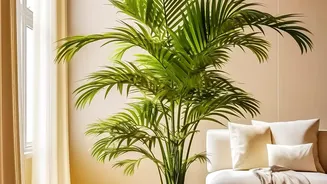
The Areca Palm brings a tropical vibe indoors with its feathery, arching fronds. It is often called a 'natural humidifier' because of its ability to release moisture into the air through transpiration. In a high-humidity environment like the Indian monsoon, this process can be balanced by the plant also absorbing ambient moisture. It acts as a great air purifier, filtering out common toxins. While they can grow large, smaller plants are perfect for rental flats, adding a touch of elegance while helping to make the air feel fresher and less heavy.
Beyond Plants: The Clay Dehumidifier
For a non-living solution, especially for enclosed spaces like wardrobes and cabinets, clay dehumidifiers are a fantastic, eco-friendly option. These are typically porous terracotta containers filled with a desiccant—a substance that absorbs moisture. Materials like bentonite clay, activated charcoal, rock salt, or even baking soda can be used. The clay itself is porous and helps absorb some moisture, while the desiccant inside actively draws water vapour from the air. These devices are silent, require no electricity, and are completely reusable. Once saturated, many desiccants like charcoal or clay can be dried out in the sun or a low oven and used again, making them a cost-effective and sustainable choice for renters.