






The Monsoon's Final, Critical Month
September rainfall is crucial for the Indian economy. It's the month that determines the final output of summer-sown (Kharif) crops and, just as importantly, prepares the soil for winter-sown (Rabi) crops. The India Meteorological Department (IMD) has
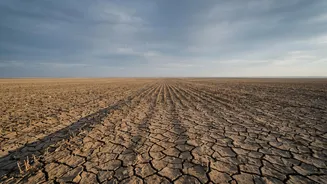
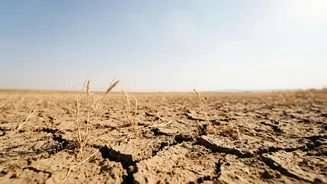
predicted that September 2026 rainfall will likely be below 91% of the long-period average, a deficit largely driven by strengthening El Niño conditions in the Pacific Ocean. This forecast comes after a volatile season that saw a major rain deficit in June followed by a brief recovery in July, only to weaken again in August. With the cumulative rainfall already at a deficit of around 14% by the end of August, a dry September could compound existing agricultural stress across the country.
Immediate Pressure on the Kharif Harvest
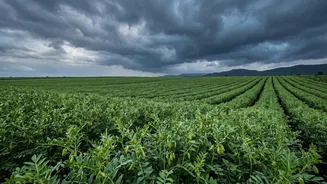
For farmers, a dry September poses an immediate threat to standing Kharif crops. Key staples like rice, pulses, soybeans, and sugarcane are in their critical 'grain-filling' stage, where they need consistent water to mature properly. A lack of rain at this point can severely stunt growth and reduce the final yield, directly impacting farmers' incomes. The problem is particularly acute in rainfed agricultural zones that lack access to robust irrigation. Even for farmers with irrigation, a rainfall deficit means higher costs as they are forced to spend more on diesel or electricity to pump water and save their crops. Deficits are already being felt in key rice-growing areas and the sugarcane belts of the west and south, threatening to tighten the supply of these essential commodities.
A Dry Start for the Winter Sowing Season
The impact of a weak September extends beyond the current harvest. The month's rainfall is vital for recharging soil moisture ahead of the Rabi sowing season, which typically begins in October. Without adequate moisture in the ground, it becomes difficult for farmers to prepare their fields and sow winter crops like wheat, mustard, and gram. A significant moisture deficit could force farmers to either delay sowing or reduce the total area planted for the Rabi season. This creates a domino effect, where a poor end to one agricultural season jeopardises the start of the next, potentially impacting the production of two consecutive harvests and creating a longer-term strain on food supply.
The Ripple Effect on Your Household Budget
The connection between the farm and your kitchen is direct. Reduced crop yields inevitably lead to tighter supplies in the market, which in turn puts upward pressure on prices. Economists and experts are warning that a dry September could fuel food inflation, which was already showing signs of accelerating. Consumers should watch for potential price increases in vegetables, pulses, edible oils, and sugar in the coming months. The Reserve Bank of India has also flagged the weak monsoon as a significant risk to its inflation projections. For the average household, this translates to a higher cost of living and a squeeze on monthly budgets as the price of daily essentials rises.
National Water Security at Stake
Beyond farms and markets, a rainfall deficit affects the nation's water security. September is a key month for replenishing India's major reservoirs. These reservoirs are critical not only for irrigation but also for generating hydropower and supplying drinking water to cities and towns. Data has already shown that water levels in many reservoirs, particularly in the southern and eastern regions, are below the levels recorded last year. A weak end to the monsoon will only worsen this situation, potentially leading to water shortages and impacting electricity generation in the months ahead. Officials have advised timely preparedness, including water conservation and efficient resource management, to mitigate these risks.