





Why Your Gut Needs Extra Care
The monsoon might be a poet’s delight, but for our digestive system, it’s a period of high alert. The increased humidity in the atmosphere naturally slows down our 'agni' or digestive fire, according to Ayurveda. This makes us more susceptible to issues
like bloating, acidity, and indigestion. From a modern scientific perspective, the moisture-laden environment is a breeding ground for bacteria and viruses. Water contamination is at its peak, increasing the risk of gastrointestinal infections like diarrhoea and cholera. Our immunity is generally weaker, and our metabolism is sluggish, making it harder for the body to process heavy, rich foods. This is why that extra plate of pakoras or street-side chaat, while tempting, often comes with a side of regret during this season.
The Ancient Wisdom Behind a Modern Trend
The concept of eating for the season isn't new; it's a cornerstone of traditional Indian health systems. What we now see trending on social media as 'gut-safe monsoon eating' is essentially a repackaging of age-old wisdom, particularly from Ayurveda's 'Varsha Ritu Charya' (monsoon regimen). This ancient science provides detailed guidelines on diet and lifestyle to counterbalance the effects of the season. It advises favouring foods that are light, warm, and easy to digest, while avoiding those that are cold, raw, and heavy. The goal is to pacify the 'Vata' dosha, which is believed to be aggravated during the rains, leading to digestive and joint issues. So, this 'trend' is less of a fleeting fad and more of a rediscovery of our roots, now backed by a modern understanding of gut health and microbiology.
Foods to Embrace This Monsoon
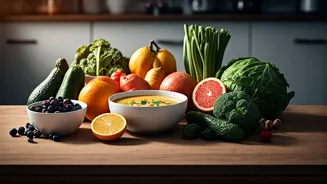
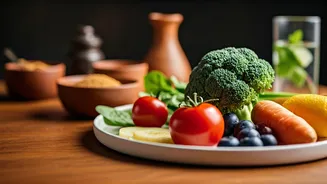
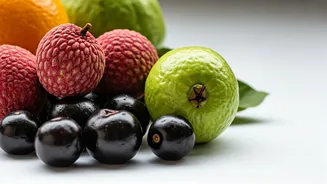
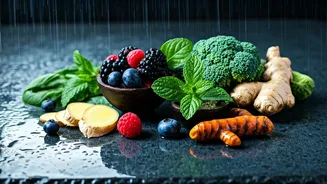
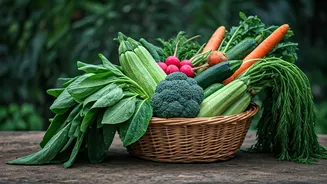
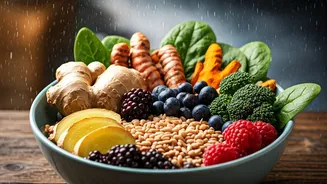
Navigating the monsoon menu is about making smart, simple swaps. Focus on foods that are nourishing yet light on the stomach. Incorporate well-cooked vegetables like lauki (bottle gourd), tori (ridge gourd), and parwal (pointed gourd). Pulses, especially moong dal, are excellent as they are easy to digest and provide essential protein. Spice your food generously with digestive aids like ginger, garlic, turmeric, black pepper, and asafoetida (hing). A bowl of hot vegetable soup or a simple khichdi can be incredibly comforting and healthy. For fruits, stick to seasonal options like jamun, pomegranate, pears, and plums. Probiotic-rich foods like homemade curd and buttermilk (chaas) are fantastic for maintaining healthy gut flora, but ensure the milk source is reliable and the curd is fresh.
What to Limit or Completely Avoid
This is the season of mindful eating, which means knowing what to leave off your plate. Raw foods, including salads, are a major no-no. The risk of bacterial contamination is high, and raw vegetables are harder to digest. Leafy greens like spinach and cabbage should be consumed with extreme caution; if you must, wash them thoroughly in warm water and cook them completely. Street food, especially fried snacks and anything with unverified water (like pani puri), is best avoided. Deep-fried foods, while a classic monsoon craving, are heavy and can overwhelm a sluggish digestive system. Also, limit your intake of heavy dairy products and red meat. It’s also wise to be cautious with seafood, as the monsoon is the breeding season for many fish, increasing the risk of contamination.
Smart Hydration and Cooking Tips
Eating right is only half the battle; hydrating and cooking smart are just as crucial. Always drink boiled or filtered water to avoid water-borne diseases. Instead of cold drinks, sip on warm herbal teas. A simple concoction of tulsi, ginger, and mint is not only hydrating but also boosts immunity. When it comes to cooking, favour methods like steaming, boiling, and grilling over frying. These methods make food lighter and easier for your gut to handle. A simple habit to adopt is adding a pinch of turmeric to all your cooked meals for its powerful anti-inflammatory and antiseptic properties. Being conscious about how your food is prepared can make all the difference in keeping your gut happy and healthy.