
The Core Problem with EVs
For years, the heart of an electric vehicle's high price has been its battery. Lithium-ion batteries, the long-reigning industry standard, depend on materials like lithium and cobalt. The prices of these materials have been volatile, and their supply
chains are often concentrated in a few countries, creating geopolitical and cost challenges. This reliance on scarce, imported materials has kept the cost of electric scooters just out of reach for a large segment of the Indian population, despite growing demand for cleaner, cheaper-to-run transportation.
Enter Sodium-Ion: The Cheaper Cousin
Sodium-ion (Na-ion) batteries work on a principle similar to their lithium-ion counterparts but use a far more common and inexpensive element: sodium. The primary raw material for sodium is sodium chloride, otherwise known as common table salt. This fundamental difference is the key to its cost-saving potential. Sodium is over 500 times more abundant than lithium, with vast reserves available globally, including in India. This eliminates the dependence on complex and expensive global supply chains, allowing for more localised and affordable production. Experts estimate a sodium-ion battery can be 20% to 30% cheaper to produce than a comparable lithium-iron-phosphate (LFP) battery, which is already a more affordable type of lithium-ion battery.
More Than Just Cost Savings
The advantages of sodium-ion technology extend beyond the sticker price. These batteries are known for their enhanced safety, as they are less prone to overheating and can be safely discharged to zero volts for transport, reducing fire risk. They also perform better in a wider range of temperatures, a significant advantage in India's diverse climate. Some studies have shown that sodium-ion batteries can charge faster than lithium-ion versions and potentially have a longer lifecycle. Critically, they can be manufactured on existing lithium-ion production lines, which simplifies the industrial transition for manufacturers.
The Catch: Perfect for the City, Not the Highway
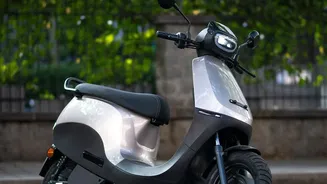
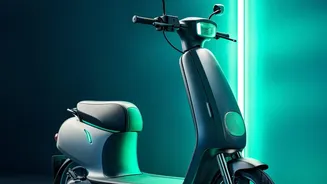
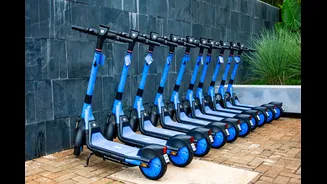
Sodium-ion technology is not a perfect replacement for lithium-ion in all cases. The main trade-off is lower energy density. In simple terms, a sodium-ion battery of the same weight stores less energy than a lithium-ion one. This means they are not yet ideal for high-performance electric cars that require a long range. However, this perceived weakness makes them perfectly suited for entry-level electric scooters designed for city commutes. For a vehicle that needs a daily range of 50-70 km, the slightly lower energy density is a manageable compromise for a significantly lower purchase price.
The Indian Push for Sodium-Ion
The potential of sodium-ion technology has not gone unnoticed in India. Several companies and research institutions are racing to commercialise this homegrown energy solution. Pune-based startup Rechargion is developing sodium-ion batteries specifically for electric scooters and rickshaws, and has set up a plant to build them. Major players like Reliance New Energy and KPIT Technologies are also heavily invested in developing commercially viable sodium-ion tech. Nashik-based manufacturer Jitendra New EV Tech has announced plans to launch an electric two-wheeler powered by sodium-ion batteries. These efforts align with the government's 'Atmanirbhar Bharat' mission, aiming to establish energy self-reliance and reduce dependence on imported battery components.