


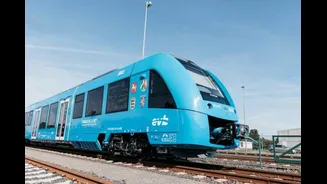


What Exactly Is a Hydrogen Train?
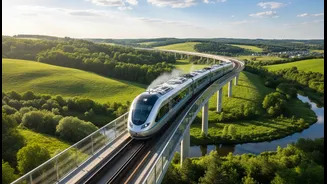
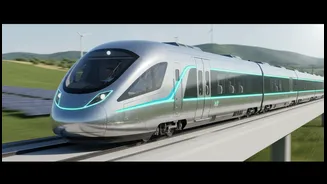
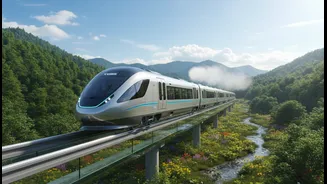
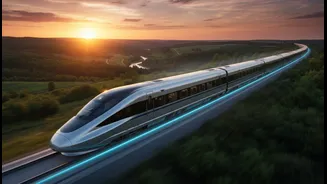
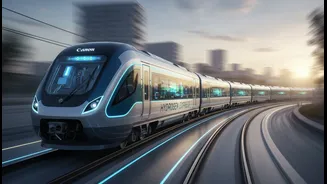
Imagine a train that runs without diesel or overhead electric wires, emitting only water vapour and heat as byproducts. That's the core promise of hydrogen-powered trains. They use hydrogen fuel cells to generate electricity through a chemical reaction
between hydrogen and oxygen. This on-board power generation means they are virtually silent and produce zero carbon emissions, making them a clean, green alternative to the familiar diesel locomotives that currently operate on many non-electrified routes across the country. India's first hydrogen train, developed indigenously, uses a hybrid system combining these fuel cells with batteries to power its motors, placing India in an elite club of nations exploring this technology.
India's Green Track Record
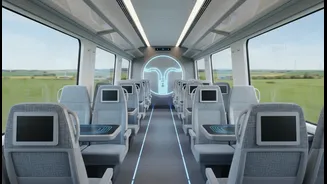
This isn't just a distant dream; it's happening now. Prime Minister Narendra Modi is set to inaugurate the country's first hydrogen train on July 17, 2026. This pilot project will see the train run on the 90-kilometre Jind-Sonipat route in Haryana. Designed by the Research Designs and Standards Organisation (RDSO) and built at the Integral Coach Factory in Chennai, the ten-coach train is a significant achievement for the 'Make in India' initiative. Following successful high-speed trials, the train is approved for an operational speed of 75 km/h and will complete two round trips daily, drastically cutting the current travel time from two hours to about one. With an affordable fare structure, this initiative marks a major milestone in Indian Railways' mission for a greener transportation network.
The Gen Z Appeal: Travel with a Conscience
For today's students and young travellers, the journey is as important as the destination, and sustainability is no longer a niche interest but a core value. Studies show that a significant majority of young Indians are eco-conscious, preferring public transport and even willing to pay more for environmentally responsible travel options. The introduction of a smoke-free, pollution-free train aligns perfectly with this mindset. It transforms a simple commute into a statement, allowing students to travel between cities for education, internships, or weekend breaks while minimising their carbon footprint. This is a powerful narrative for a generation that has grown up with heightened awareness of climate change and actively seeks to make responsible choices.
Making Rail Travel 'Cool' Again
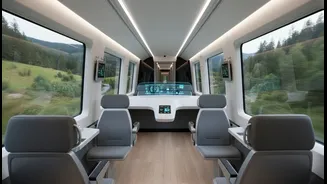
Let's be honest: while train travel is the backbone of India, it isn't always seen as the most modern or glamorous option. Hydrogen trains could change that perception entirely. The 'cool factor' of travelling on a state-of-the-art, silent, and clean-energy train cannot be underestimated. It provides a new experience that blends India's rich railway heritage with cutting-edge technology. For students exploring the country on a budget, it offers more than just a cheap ticket; it offers participation in a forward-looking, national project. As these trains potentially expand from pilot routes to broader networks, including heritage lines and inter-city 'Vande Metro' corridors, they could reignite a passion for rail travel among the youth, making it the preferred choice not just for its affordability, but for its alignment with a modern, progressive identity.
Challenges on the Journey Ahead
While the launch is exciting, scaling this technology across India's vast railway network presents significant challenges. The initial cost of manufacturing the trains is high, with the first rake estimated at around Rs 89 crore. Furthermore, a whole new infrastructure for producing, storing, and safely refuelling hydrogen at stations nationwide will need to be built. The success of the Jind-Sonipat pilot will be crucial in determining the economic viability and operational feasibility of a wider rollout. While the ambition is to replace diesel trains on non-electrified routes, the journey from a single pilot to a nationwide fleet will be a long and complex one, requiring sustained investment and political will.