







The Race Against Spoilage
For farmers in Arunachal Pradesh, the clock starts ticking the moment a fruit is plucked. The journey from remote farms to viable markets is a treacherous one. Difficult terrain, inadequate road connectivity, and a near-total lack of cold storage infrastructure
have historically meant that a significant portion of perishable produce rots before it can be sold. Studies in Northeast India have highlighted post-harvest losses ranging from 10% to as high as 50% for certain crops, a staggering figure that directly impacts farmer incomes and wastes natural resources. This systemic challenge has kept many farmers trapped in a cycle of subsistence farming, unable to scale up or access lucrative urban markets. The result is a supply chain riddled with inefficiencies, where farmers lose value and consumers in bigger cities miss out on high-quality produce from the region.
A Hub-and-Spoke Solution
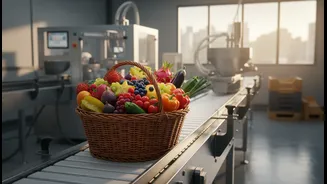
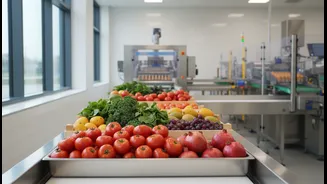
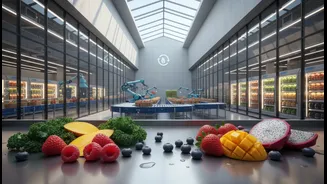
Enter the Rongoge Mega Food Park at Dolikoto, near Banderdewa, the state's first and only such project. Inaugurated in July 2026, the 75-acre facility is designed to be the heart of a new agricultural ecosystem, based on the central government's successful 'hub-and-spoke' model. The 'hub' is the Central Processing Centre (CPC) at Dolikoto, which houses shared, state-of-the-art infrastructure. This includes cold storage units, warehouses, quality control labs certified by BIS, and ready-to-use plots for food processing companies. The 'spokes' are Primary Processing Centres (PPCs) and Collection Centres (CCs) that will be set up in farming belts across the state. This model's core idea is to bring basic processing and preservation facilities closer to the farm gate, tackling the spoilage problem at its source.
The New Journey of an Arunachal Kiwi
So, how does this change things on the ground? Imagine a kiwi farmer in a remote village. Instead of relying on conventional, slow-moving transport with a high risk of spoilage, the farmer can now take their produce to a nearby PPC. There, the kiwis can be sorted, graded, and placed in pre-cooling facilities. From the PPC, the produce is transported in refrigerated vehicles to the central hub at Dolikoto. At the CPC, the kiwis can be processed into a variety of value-added products — juice, jam, dried fruit — or packaged professionally for fresh consumption in premium markets. This integrated chain ensures that the fruit's value is preserved and enhanced at every step. This organised linkage between farm, factory, and consumer is what has been missing from the region's agricultural economy.
The Economic Ripple Effect
The park’s impact extends far beyond just saving fruit from rotting. By providing a direct link to processors, it promises to increase farmers' incomes by ensuring better prices and reducing their dependence on a long chain of intermediaries. The project is also a major catalyst for industrialisation and employment. It aims to host around 35 food processing units, with major players like Haldiram and Varun Beverages reportedly showing interest. This is expected to create thousands of direct and indirect jobs, from factory workers and lab technicians to logistics managers and truck drivers. For local entrepreneurs, the government is offering grants covering up to 75% of the costs to set up a unit inside the park, lowering the barrier to entry into the food processing business.
Hurdles on the Path to Success
Despite the optimism, the road ahead has its challenges. The project, which started in 2019, has already faced delays due to the pandemic and bureaucratic hurdles. For the park to function at full capacity and achieve its goal of full operation by 2027, it requires a consistent, uninterrupted supply of electricity and water — a significant infrastructure challenge in the region, as noted by the project's lead promoter, Likha Maj. Furthermore, connecting the scattered landholdings of thousands of small farmers to the park's collection centres will require a massive logistical and organisational effort. Building and maintaining the 'spokes' of the system will be just as critical as ensuring the 'hub' runs smoothly.