




The Breakfast Rut is Real
Let's be honest, morning after morning, many of us reach for the same few breakfast options. Whether it’s a quick bowl of cereal, a slice of toast, or the familiar comfort of upma, our first meal of the day can easily become monotonous. This isn't just
about taste; it's about nutrition. Relying on the same refined grains like rice or wheat can mean missing out on a wider spectrum of nutrients. The breakfast rut is a common phenomenon, born from a combination of habit, convenience, and a lack of time. But breaking free doesn't require complicated recipes or exotic ingredients. The answer lies in revisiting an ancient grain that is making a major comeback across India.
Enter the Humble Hero: Millets
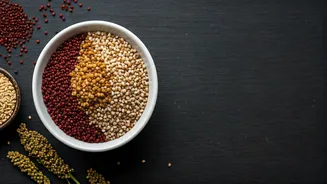
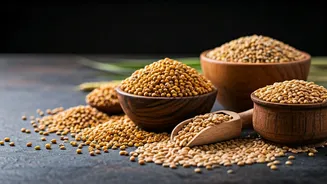
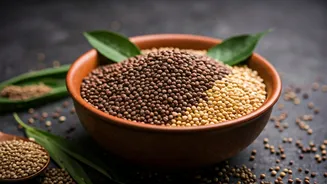
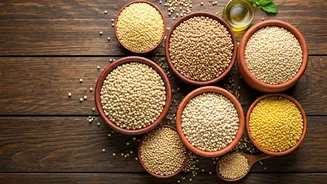
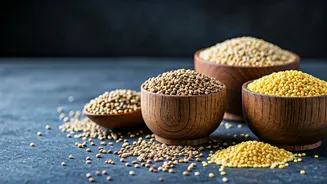
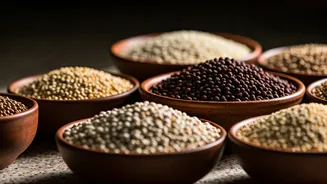
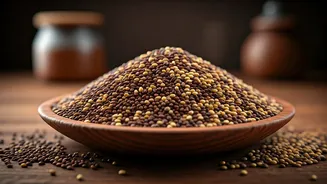
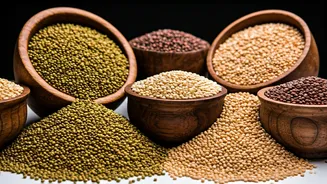
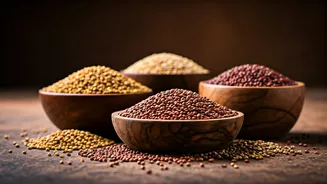
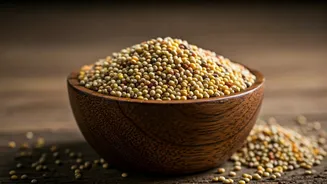
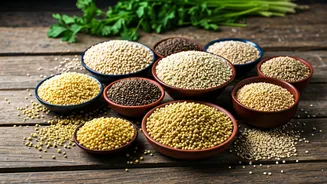
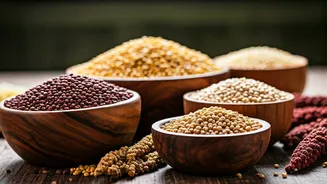
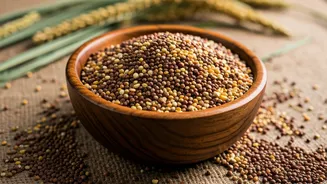
Millets, the small-seeded grains that have been a staple in Indian diets for centuries, are the perfect antidote to breakfast boredom. Long before polished rice and wheat dominated our plates, grains like Jowar (Sorghum), Bajra (Pearl Millet), and Ragi (Finger Millet) were the foundation of everyday meals. Today, these powerhouse grains are being celebrated once again, not just for their rich heritage but for their incredible versatility and health benefits. From the nutty flavour of bajra to the earthy notes of ragi, each millet brings its own unique character to the table, offering a world of possibilities to transform your morning meal.
A Nutritional Powerhouse
Switching to millets is more than just a culinary change; it's a significant nutritional upgrade. These grains are naturally gluten-free and packed with essential nutrients. They are an excellent source of dietary fibre, which aids digestion, helps you feel full for longer, and can assist in weight management. Millets are also rich in protein and essential minerals like magnesium, phosphorus, iron, and calcium—with Ragi being particularly famous for its high calcium content. For those managing blood sugar levels, millets are a fantastic choice due to their low glycemic index, which means they release energy slowly and prevent sudden sugar spikes.
From Porridge to Pancakes: A Breakfast Makeover
The beauty of millets lies in their adaptability. You can easily incorporate them into your favourite breakfast dishes. Swap out your regular rava for millet to make a hearty and fibre-rich Upma. You can cook whole millets into a creamy porridge, similar to oatmeal, and top it with fresh fruits and nuts for a wholesome start. Millet flours, like ragi or jowar, can be used to make delicious and nutritious dosas, chillas, and even pancakes. A popular South Indian breakfast, Ragi Idli, is another fantastic way to enjoy these grains. You can even blend ragi flour into a smoothie or a healthy chocolate-flavoured drink. The possibilities are truly endless.
Making the Switch: Easy Tips
Ready to give millets a try? The transition can be simple and gradual. Start by introducing millets into your diet a few times a week. A great way to begin is by mixing millet flour, like jowar or bajra, with your regular whole wheat atta for rotis. You can start with about 30% millet flour and gradually increase the ratio as you get used to the taste and texture. Another easy swap is to replace rice in dishes like khichdi or pongal with foxtail or little millet. Soaking most millets for a few hours before cooking is recommended as it helps in better digestion and nutrient absorption. Don't be afraid to experiment with different types to find the ones you love the most.