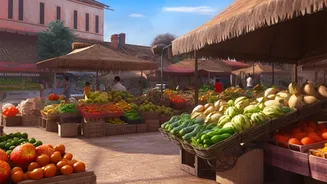






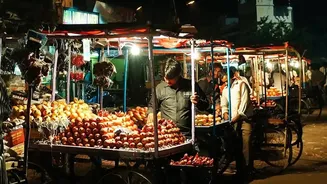

In an age of one-click convenience and air-conditioned supermarkets, a different kind of shopping experience is not just surviving, but thriving. Urban Indian shoppers are increasingly turning to traditional markets for their weekly essentials.
The Unbeatable Allure of Freshness
The primary
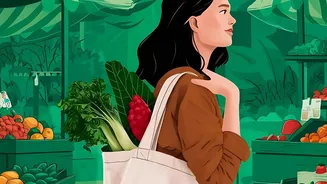
driver behind this enduring loyalty to local bazaars is the uncompromising demand for fresh produce. While online grocery platforms gained traction, many consumers are returning to traditional channels due to concerns over quality, price, and difficult return processes. A 2023 survey found that a staggering 66% of Indian households prefer buying fruits and vegetables from local markets. Shoppers believe the produce in these markets is fresher, often sourced from nearby farms with a shorter supply chain, leading to better taste and texture. The ability to see, touch, and smell the produce before buying is a crucial factor that digital platforms cannot replicate. This hands-on selection process builds trust and assures consumers of the quality they are bringing into their kitchens. Online offerings, by contrast, are often perceived as being of average quality at best, with prices that can be 1.5 to 2 times higher than local markets once discounts disappear.
The Thrill of the Unique Find
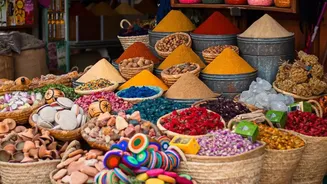
Beyond vegetables and fruits, traditional markets are treasure troves of unique goods that are simply unavailable in mainstream retail chains. These bazaars are cultural hubs where local craftsmanship flourishes. Shoppers can discover everything from regional spices and artisanal foods to handmade textiles, intricate jewellery, and traditional handicrafts. Markets like Jaipur's Johari Bazaar, known for its gemstones, or Hyderabad's Laad Bazaar, famous for its lacquer bangles, are prime examples. These spaces offer a direct connection to artisans and their stories, preserving cultural heritage and ensuring fair prices for creators. Whether it's a specific block-printed fabric, a rare spice blend, or a piece of handcrafted pottery, the joy of discovery is a powerful magnet, turning a routine shopping trip into an adventure.
More Than a Transaction, a Social Ritual
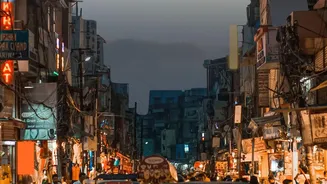
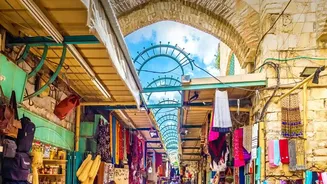
Shopping in a traditional Indian market is a deeply social and sensory experience. The symphony of vendors calling out their prices, the aroma of street food, and the vibrant colours create an atmosphere that a sterile supermarket cannot match. It's a place for interaction, not just transactions. Shoppers build relationships with vendors over time, fostering a sense of community and trust. This personal connection often leads to better prices through the age-old art of bargaining, a social ritual that is part of the market's fabric. For many, a trip to the bazaar is an outing, an event where they can soak in the local culture, meet people, and feel connected to the pulse of their city. This cultural immersion is an essential part of the appeal, making the market a destination in its own right.
The Smart Shopper's Hybrid Approach
This preference for traditional markets does not signify a complete rejection of modern retail. Instead, savvy urban shoppers are adopting a hybrid model. They might rely on supermarkets or online apps for standardised, packaged goods and household staples, but they make a conscious choice to visit the local mandi for perishables and specialty items. Studies show that while online sales for categories like clothing and footwear are significant, they remain incredibly low for fresh produce, with vegetables at just 1.32% and fruits at 1%. Consumers are making a deliberate tradeoff, prioritising the quality, value, and experience of the traditional market for the things that matter most, while leveraging the convenience of modern retail for the rest. This balanced approach allows them to get the best of both worlds.