





Prioritise Health and Hygiene
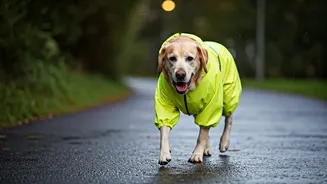
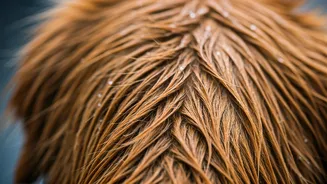
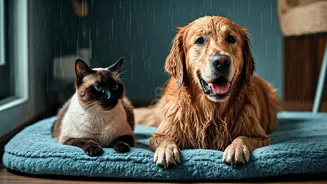
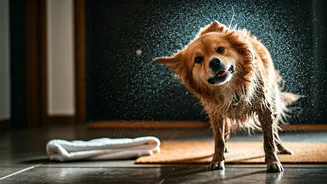
The high humidity during the monsoon is a breeding ground for bacteria and fungi, making pets susceptible to skin infections. [2, 15] It's crucial to keep your pet as dry as possible. Always towel-dry your pet thoroughly after every walk, paying special
attention to their paws, belly, and skin folds to prevent fungal infections. [2, 4] Regular grooming, including daily brushing, helps remove dirt and improves air circulation in their coat. [7] This is also the peak season for ticks and fleas, which thrive in damp conditions. [10, 8] Ensure you're up to date with your vet-recommended flea and tick prevention plan, and perform daily checks. [2, 22]
Master Paw Care
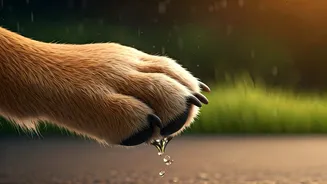
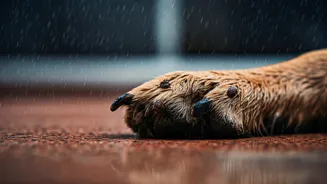
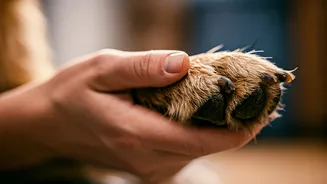
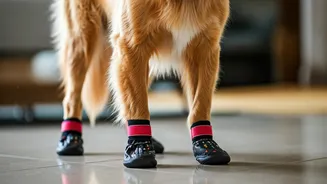
Your pet's paws are in direct contact with muddy, and often contaminated, puddles during walks. [4] These puddles can harbour harmful bacteria, including the one that causes leptospirosis, a serious disease that can also affect humans. [18, 22, 23] Make it a non-negotiable rule to wash and dry your pet’s paws with lukewarm water after every single outing. [2, 8] Inspect between their toes for any trapped dirt, cuts, or signs of infection. [4] Keeping the fur between their paw pads trimmed can also help reduce the amount of mud they track in. [2] For extra protection, consider using pet-safe paw balms. [24]
Adjust Their Diet and Hydration
Digestive issues can become more common during the monsoon. [12, 18] Humidity can cause dry food to spoil or get mouldy faster, so store kibble in airtight containers. [2, 13] Avoid leaving wet or home-cooked food out for long periods. [4] It's also vital to provide clean, fresh drinking water at all times; change the water at least twice a day as bacteria multiply faster in humid weather. [2, 13] Never let your pet drink from puddles or stagnant water sources outdoors. [4, 8]
Manage Storm Anxiety
Loud thunder and flashing lightning can be terrifying for many pets. [6, 11] You can help manage their anxiety by creating a safe, quiet space for them to retreat to, such as an interior room, a closet, or their crate covered with a blanket. [11, 14, 16] Close the windows to muffle the noise and play some calming music or white noise to mask the sounds of the storm. [9, 16] Distracting them with puzzle feeders or a favourite toy can also help. [6, 9] For severe anxiety, compression wraps like a ThunderShirt can provide a comforting, swaddling sensation. [11, 16] If their fear is extreme, consult your vet about anti-anxiety supplements or medication. [11, 20]
Rethink Exercise and Enrichment
Rainy days often mean shorter or cancelled walks, which can lead to pent-up energy, especially in active breeds. [3] It’s important to substitute that physical activity with indoor enrichment. [3, 6] Engage your pet in short, interactive games like indoor fetch, tug-of-war, or hide-and-seek with treats. [3] Puzzle feeders, snuffle mats, and short training sessions are excellent ways to provide mental stimulation and burn off energy when you're stuck indoors. [3, 24] Even 15 minutes of structured play can make a big difference in their mood and behaviour. [2]
Create a Clean and Dry Indoor Haven
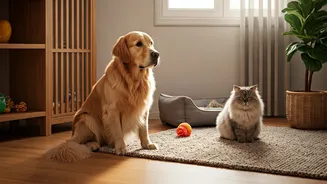
With pets spending more time inside, maintaining a clean home environment is key. Wash your pet’s bedding more frequently to prevent moisture and fungal spores from building up. [2, 13] Ensure their sleeping area is always dry and away from any cold drafts. [4, 5] Mop floors with a pet-safe disinfectant, especially near their food bowls and sleeping spots. [19] Keeping a dedicated towel by the door for post-walk wipe-downs will help keep your home clean and your pet healthy. [6]