





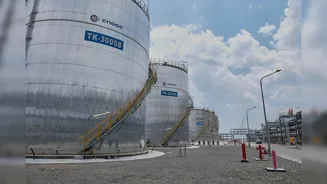
The Global Situation
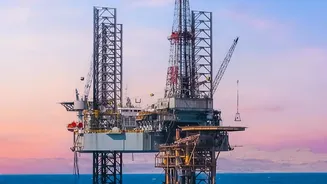
First, let's look at the big picture. Global crude oil prices have been climbing, with Brent crude, a major international benchmark, rising above USD 90 per barrel. This surge is largely linked to geopolitical tensions, particularly in the Middle East,
which create uncertainty about supply. Since India imports the vast majority of its oil—nearly 89% of its needs—any sustained increase in global prices inevitably creates a ripple effect that reaches consumers at home. While prices fluctuate, analysts suggest that as long as global conflicts and supply concerns persist, elevated prices are likely to remain a feature of the market.
Higher Costs in the Sky
The most immediate and direct impact on travel is often seen in airfares. On September 1, 2026, oil marketing companies in India increased the price of Aviation Turbine Fuel (ATF) by over 5%. This was the second consecutive monthly hike, pushing the price to over ₹121 per litre. For airlines, fuel is one of their single largest operating expenses, often accounting for 35-40% of their total costs. When this major expense goes up, airlines face a tough choice: absorb the cost and hurt their profits, or pass it on to passengers. While airlines haven't announced across-the-board fare hikes yet, industry experts warn that if high ATF prices persist, increased ticket prices are almost inevitable, especially as the busy festive season approaches.
Feeling the Pinch on the Road
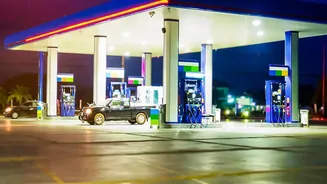
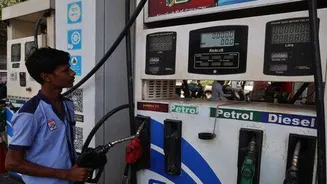
It’s not just air travel that’s affected. The prices of petrol and diesel are also linked to global crude rates. Although retail prices for petrol and diesel have remained relatively stable recently due to management by state-run oil companies, this stability cannot last forever if crude prices remain high. Any upward revision in fuel prices at the pump directly increases the cost of a road trip in your personal car. More significantly, it drives up the operating costs for commercial vehicles. This means that bus tickets and taxi fares are also likely to rise, as operators will need to cover their higher expenses for diesel, the primary fuel for most commercial transport in India.
Indirect and Hidden Costs
The impact of rising oil prices extends beyond just your flight ticket or petrol bill. Higher fuel costs are a fundamental economic pressure that can lead to broader inflation. The cost of transporting goods—from food supplies sent to hotels and restaurants to materials for tourist site maintenance—goes up. Establishments like hotels and eateries have also seen a rise in the cost of commercial LPG cylinders, adding another layer of operational expense. This can translate into more expensive meals, higher room rates, and pricier local tours as businesses pass these increased costs along to customers. In essence, the entire travel ecosystem feels the strain, making your holiday more expensive in ways you might not immediately notice.