


Start with Smart Planning
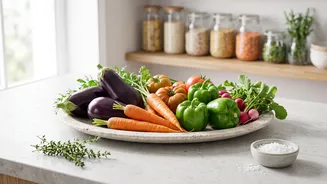
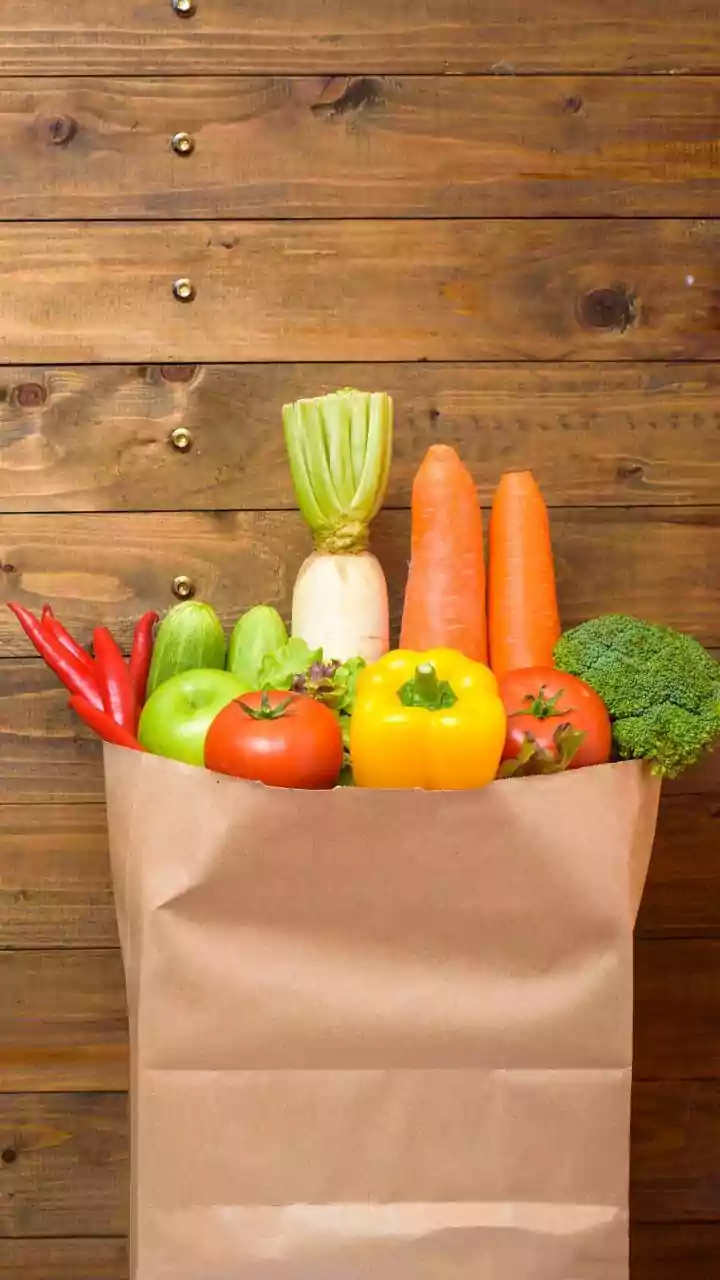
The best way to manage leftovers is to create fewer of them. Meal planning is a powerful tool against food waste. Before you shop, take a quick inventory of your fridge and pantry. Plan a few meals for the week, which helps you buy only what you need
and prevents impulse purchases of vegetables that might wilt before you can use them. This habit not only cuts down on waste but can also significantly reduce your grocery bills.
Master the Art of Storage
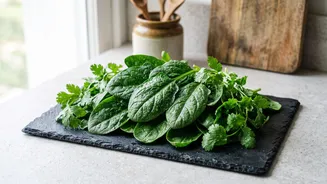
Proper storage is crucial for extending the life of both cooked food and fresh ingredients. Store cooked leftovers in clean, airtight containers and refrigerate them promptly. A great rule of thumb is the 'First In, First Out' (FIFO) method: place newer items at the back of the fridge and older ones at the front, making them visible and ensuring they get used first. For fresh produce, simple tricks work wonders. For instance, wrapping leafy greens like spinach and coriander in a paper or kitchen towel before storing them in an airtight box can keep them fresh for much longer.
Reinvent Rotis, Rice, and Idlis
Indian staples are incredibly versatile. Don't let them go to waste. Leftover rotis can be quickly transformed into crispy 'roti nachos' or used as a base for a quick pizza, topped with some sauce, cheese, and vegetables. Yesterday's rice is perfect for making flavourful fried rice or lemon rice, as the drier grains stir-fry beautifully. Even leftover idlis can get a new life; just cube them and sauté with mustard seeds, curry leaves, and a pinch of turmeric for a delicious snack called 'idli fry'.
Give Your Curries a Second Act
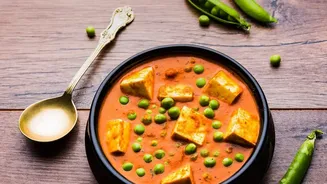
A leftover curry is a powerhouse of flavour just waiting to be repurposed. Many dishes, in fact, taste even better the next day as the spices meld and deepen. Use a thick leftover sabzi or dal as a delicious filling for a stuffed paratha or a quick sandwich. Thinner curries like dal or rasam can be thinned out with a little water or stock to become a comforting soup, often improved with a fresh 'tadka' of ghee, mustard seeds, and curry leaves. You can even use a flavourful curry sauce as a base for pasta.
Embrace the 'Everything' Dish
Create a 'use-it-up' meal once a week. This could be a mixed vegetable stir-fry, a one-pot soup, or savoury pancakes. A 'masala omelette' is another fantastic way to incorporate small amounts of chopped leftover vegetables like onions, tomatoes, and capsicum. Leftover dal can be mixed with gram flour (besan) and spices to create crispy pakoras, a perfect tea-time snack. These creative combinations not only prevent waste but also introduce new and interesting dishes to your family's menu.
Know When to Let Go
While reinventing leftovers is smart, food safety is paramount. As a general rule, refrigerated leftovers should be consumed within three to four days. Never leave cooked food at room temperature for more than two hours. When reheating, ensure the food reaches a safe internal temperature to kill any potential bacteria. Always check for off-smells, strange textures, or any sign of mould. If you have any doubt about the safety of a leftover item, the best course of action is to discard it.