


From a Soldier's Sword to a King's Table
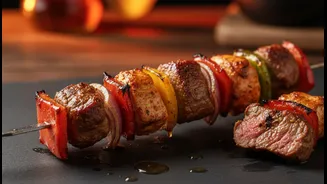
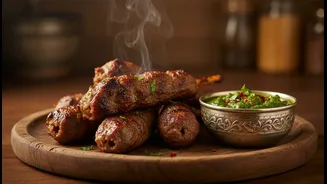
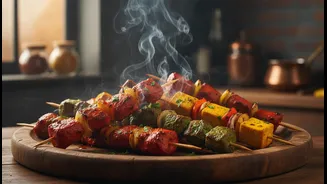
The story of the kebab in India is a journey through time, starting with the military camps of the Delhi Sultanate. Legend has it that Turkish and Afghan soldiers would grill chunks of meat on their swords over open fires, creating the earliest form of the seekh
kebab. This practical meal for warriors was later elevated to an art form in the royal kitchens of the Mughal Empire. Emperors and Nawabs, with their love for lavish feasts, transformed the humble kebab into a sophisticated delicacy, introducing complex marinades of yogurt and spices, and perfecting slow-cooking techniques that created incredibly tender textures.
Smoky Signatures from Across the Country
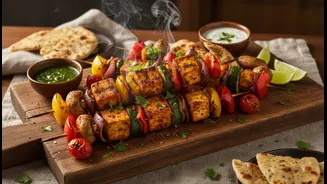
As Mughal influence spread, kebabs were adopted and adapted across India, each region adding its unique touch. In Lucknow, the land of the Nawabs, refinement was key. This pursuit of tenderness led to the creation of the legendary Galouti Kebab, a dish so soft it was said to melt in the mouth, originally made for a Nawab who had lost his teeth. The city is also famed for the Kakori Kebab, another melt-in-your-mouth seekh kebab born from a Nawab's quest for culinary perfection. Further south, Hyderabadi kebabs are known for their fiery and aromatic spice blends, with classics like the Shikampuri Kebab and Pathar ke Gosht, which is uniquely cooked on a hot stone. Meanwhile, Punjab embraced the tandoor, giving us the bold, smoky flavours of Tandoori Chicken and Malai Tikkas.
The Glorious Rise of the Vegetarian Kebab
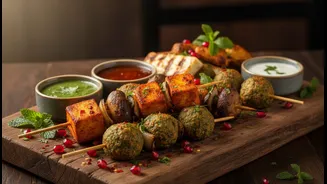
The genius of Indian cuisine lies in its ability to reinvent and include. For a country with a large vegetarian population, the evolution of the kebab was inevitable. Chefs creatively substituted meat with everything from vegetables and lentils to yogurt and paneer, creating a stunning array of vegetarian options. The Dahi ke Kebab, another gift from Awadhi cuisine, is a marvel of spiced hung curd that is crisp on the outside and creamy within. The Hara Bhara Kebab gets its vibrant colour and flavour from spinach, peas, and fresh herbs. Today, the variety is endless, with innovative options like kebabs made from rajma, kathal (jackfruit), soya, and even lotus stem, proving that smoky, succulent goodness is for everyone.
Modernising Tradition: The Kebab Snack Board
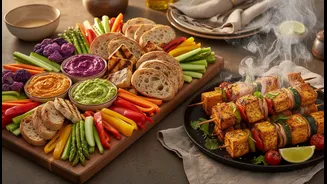
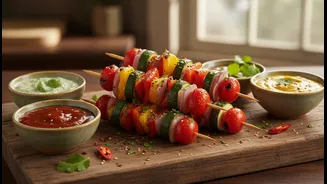
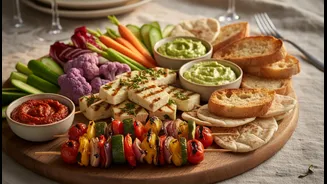
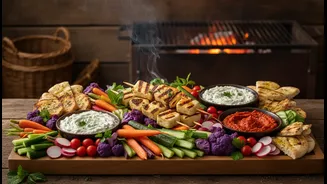
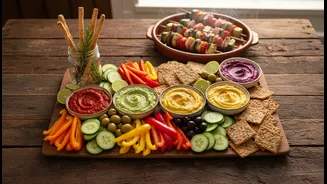
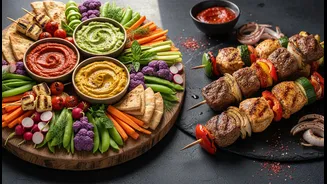
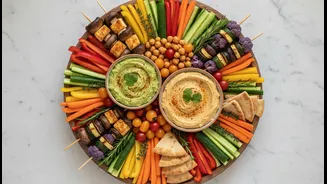
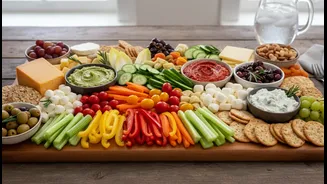
In today's world of social gatherings and modern entertaining, the kebab has found a new stage: the snack board. This is where tradition meets trend, creating a visually appealing and delicious centrepiece for any party. A vegetarian kebab board is a fantastic way to showcase variety. Imagine a platter laden with colourful Hara Bhara Kebabs, creamy Dahi ke Kebabs, and hearty Veg Seekh Kebabs. To make the board complete, it's all about the accompaniments. Add bowls of spicy mint chutney, tangy tamarind chutney, and a cooling yogurt dip. Include sliced onions, lemon wedges, and perhaps a fresh, crisp salad for crunch and acidity. You can even add some warm naan or parathas on the side, allowing guests to build their own perfect bites. It’s a communal, customisable, and thoroughly modern way to enjoy a timeless classic.