


A Puzzling Correlation
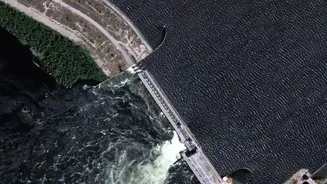
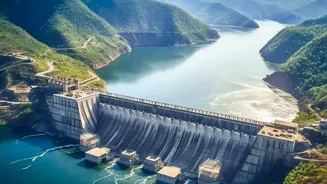
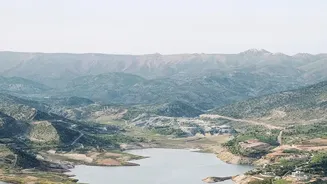
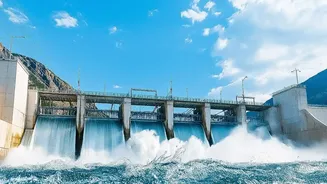
For years, experts have monitored Iran's extensive construction of dams, numbering over 500. While many serve clear civilian needs in a water-scarce country, some were built in areas where the agricultural or economic justification seemed weak. A new
hypothesis emerged recently after analysts compared maps of these dam locations with sites of suspected Iranian missile facilities targeted in airstrikes. The geographical overlap was striking, leading some water security and military experts to question if there is a deliberate connection. The theory, though still speculative and unproven, suggests that some of these massive water projects may have a dual purpose: supporting Iran's sprawling network of underground military complexes.
The Strategic Logic of Proximity
From a military perspective, placing fortified missile bases near large dams could offer several advantages. These sprawling underground facilities, often referred to as 'missile cities', require significant and reliable sources of water and electricity to operate independently from the national grid. A nearby dam can provide both. This ensures what military analysts call 'operational continuity', allowing these hidden bases to function even if the country's broader infrastructure is disrupted during a conflict. Furthermore, this placement functions as a powerful deterrent. International humanitarian law provides special protection to installations containing 'dangerous forces', like dams, because an attack could cause catastrophic flooding and severe losses among the civilian population. By locating a military objective near such a site, Iran dramatically raises the stakes for any potential attacker, forcing them to weigh the military gain against a potential humanitarian and environmental disaster.
A High-Stakes Gamble
While the strategy may deter attacks, it is fraught with immense risk. Under the laws of war, civilian objects used for military purposes can lose their protected status and become legitimate military targets. If a dam is deemed to be directly supporting military action, it could be legally targeted, provided the expected civilian harm is not excessive compared to the direct military advantage anticipated. Critics of this theory, including some Iranian officials and independent analysts, warn that promoting such a connection without conclusive proof is dangerous. They argue that it could be used to manufacture consent for attacking critical civilian infrastructure, leading to devastating consequences. They also offer alternative explanations for the proximity, noting that both dams and military bases are often built in mountainous regions for geographic and logistical reasons, making any overlap coincidental.
Context of Escalating Tensions
This debate is not happening in a vacuum. It comes amid a wider armed conflict involving Iran, the United States, and Israel that began in early 2026. This period has seen retaliatory strikes from all sides, including US strikes on Iran's Qeshm Island and Iranian attacks on US military installations in Bahrain and Kuwait. Leaked documents have previously suggested that Iran's Islamic Revolutionary Guard Corps (IRGC) has a structured system for embedding missile operations within civilian infrastructure, including industrial facilities and sports halls, to complicate detection. This doctrine of using civilian sites for concealment and support appears to be a core part of Iran's defence strategy against more technologically advanced adversaries. The discussion around dams is the latest chapter in this complex strategic calculus, highlighting the blurred lines between civilian and military infrastructure in modern warfare.