



As winter settles in, the air in local markets grows fragrant with the promise of seasonal treats. Among them, the humble chestnut stands out, offering a taste of festive warmth that is both delicious and surprisingly affordable for home cooking.
Understanding Your Chestnuts
When
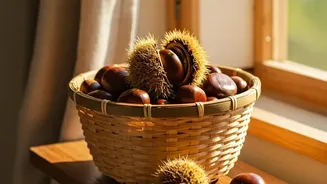
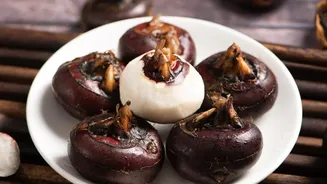
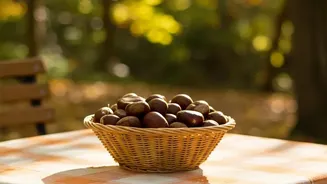
you see 'chestnuts' in an Indian market, it's important to know what you're buying. The most common variety is the water chestnut, or 'singhara', which is actually the edible tuber of an aquatic plant. It's crunchy, refreshing, and often eaten raw or boiled. However, the nut this article focuses on is the 'true' chestnut, from the Castanea tree, often found in Himalayan regions like Kinnaur and Kashmir, or imported for the winter season. These have a soft, starchy, and sweet flesh once cooked, quite different from the water chestnut's crispness. True chestnuts are the kind famously roasted in winter across the world. Their season in India is short, typically from October through December, making them a special treat to look out for.
Finding the Freshest Nuts
Your search for fresh chestnuts will likely lead you to specialty grocers, online stores catering to Himalayan produce, or well-stocked city markets during the late autumn and winter months. When selecting them, look for nuts that feel heavy for their size, with glossy, firm, and unwrinkled shells. Avoid any with mould, soft spots, or tiny holes, as these can be signs of age or insect damage. Unlike other nuts that are high in oil and can be stored at room temperature, chestnuts have a high moisture and starch content, making them perishable. They should be stored in the refrigerator in a bag that allows for some air circulation and used within a couple of weeks for best results.
The Art of Roasting at Home
Roasting is the most classic way to enjoy chestnuts, and it’s surprisingly simple to do at home without an open fire. The most crucial step is to score each nut before heating. Use a small, sharp knife to cut an 'X' on the rounded side of each chestnut. This prevents steam from building up inside, which could cause them to burst in the oven. After scoring, some cooks like to soak the chestnuts in water for an hour to make them easier to peel later. Once scored, arrange them on a baking sheet and roast in a preheated oven at around 200°C (400°F). Roasting time varies by size, but 15 to 30 minutes is a good range. They're done when the shells curl back and the nut inside is tender. For the easiest peeling experience, wrap the hot chestnuts in a clean towel for a few minutes to steam, then peel them while they're still warm.
Budget-Friendly Culinary Uses
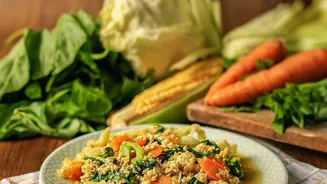
While delicious on their own, roasted chestnuts are a versatile ingredient that can elevate simple, budget-friendly dishes. Their sweet, earthy flavour pairs well with both savoury and sweet recipes. For a hearty winter meal, consider adding chopped chestnuts to a vegetable stir-fry or a simple pulao for added texture and richness. They can also be blended into a creamy, comforting soup with pumpkin or mushrooms. For a simple and elegant snack or breakfast, try mashing cooked chestnuts and spreading them on toast, perhaps with a drizzle of honey. Because they are starchy, they act as a wonderful thickener and flavour enhancer in stuffings and gravies, helping you make the most of every ingredient.