



A Sweet Piece of History
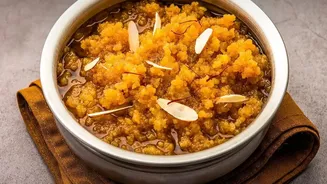
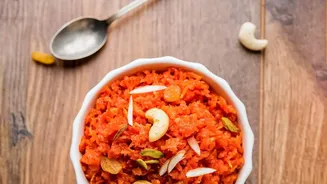
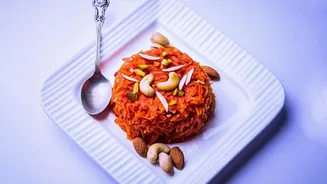
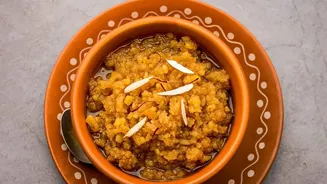
Gajar ka Halwa, also known as Gajrela in Punjab, is a dessert with deep roots in the Indian subcontinent, believed to have been popularised during the Mughal era. The word 'halwa' itself comes from the Arabic word for 'sweet'. Traditionally prepared during the winter
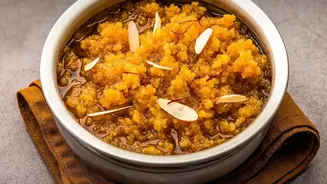
when carrots are at their sweetest, this dish has become a symbol of celebration, often served during festivals like Diwali, Holi, and Eid. It’s a dessert that signifies warmth, community, and the joy of a shared meal. The classic recipe involves slow-cooking grated carrots with milk, sugar, and ghee until they meld into a rich, pudding-like consistency, delicately scented with cardamom.
Gathering Your Core Ingredients
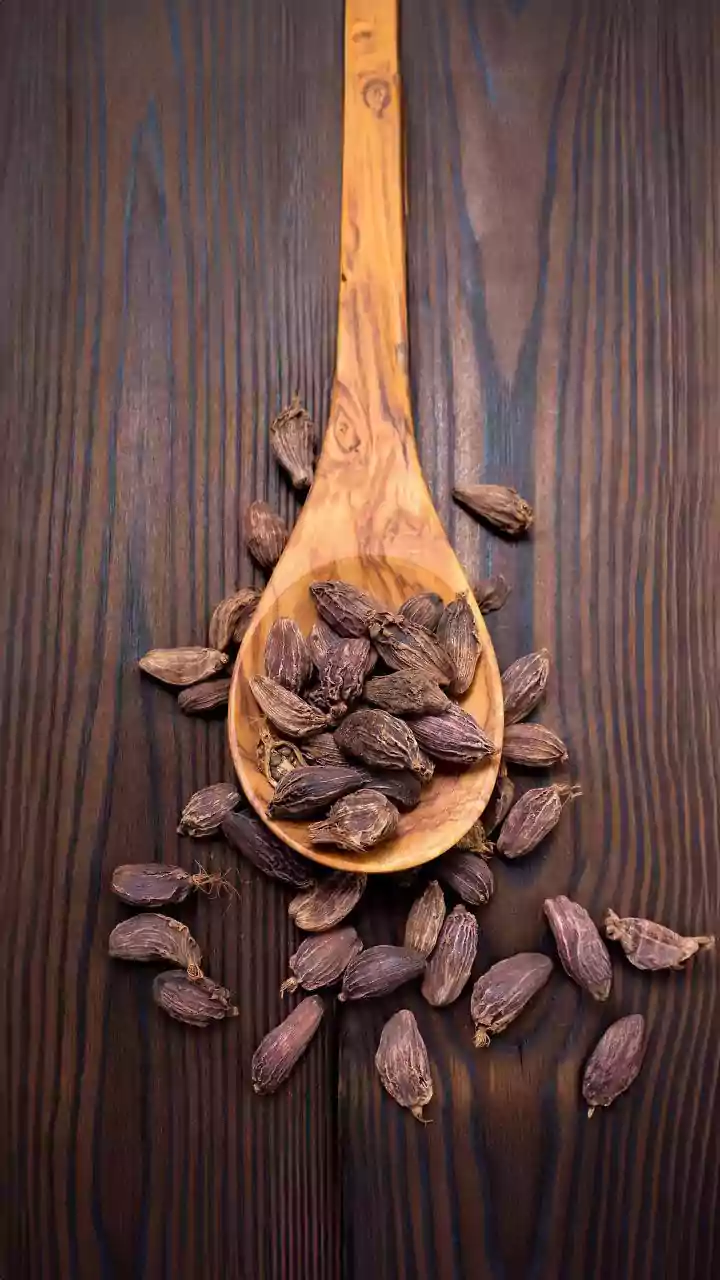
The beauty of carrot halwa lies in its simple, yet powerful, combination of ingredients. For an authentic taste, you will need fresh carrots, full-fat milk, sugar, ghee (clarified butter), green cardamom, and a selection of nuts for garnish. The type of carrot used can make a difference; traditionally, the sweet, juicy red carrots found in Delhi during winter are preferred, but any fresh, firm carrot will work well. Full-fat milk is essential for achieving a creamy texture, while ghee adds a signature richness and aroma that cannot be replicated. The final touches of cardamom powder and chopped nuts like pistachios, almonds, or cashews provide a fragrant spice and delightful crunch.
The Art of Slow Cooking
Patience is a key ingredient in making exceptional Gajar ka Halwa. The traditional process begins by grating the carrots. Some cooks recommend first sautéing the grated carrots in ghee for several minutes. This step helps cook off some of the carrots' moisture and deepens their natural sweetness. Next, the milk is added, and the mixture is brought to a simmer over low to medium heat. This is where patience comes in; the carrots and milk must be cooked down slowly, with regular stirring, until almost all the liquid has been absorbed. This process can take time, but it is crucial for developing the halwa's characteristic soft, rich texture.
Finishing Touches for Perfection
Once the milk has mostly evaporated and the carrots are tender, it's time to add the sugar. As the sugar melts, it will release more liquid, making the halwa gooey again. Continue to cook, stirring frequently, until the mixture thickens once more. Stirring in a bit more ghee at this stage, a technique called 'bhunai', adds a final layer of richness and helps the halwa come together. Finally, mix in the freshly ground cardamom powder and your choice of chopped nuts and raisins. While some nuts can be mixed in, setting some aside for garnish adds a beautiful finishing touch before serving. The halwa can be enjoyed warm, just as it is, or served with a scoop of vanilla ice cream for an extra-decadent treat.
Helpful Tips and Variations
While the traditional method is rewarding, there are popular shortcuts for when you're short on time. Using condensed milk (milkmaid) or khoya (evaporated milk solids) can significantly reduce the cooking time, as these ingredients are already concentrated. If using condensed milk, you will need to reduce the amount of sugar added. For those with an Instant Pot or pressure cooker, the process can also be sped up considerably by cooking the carrots and milk under pressure before finishing the dish on a sauté setting. No matter the method, using a heavy-bottomed pan is highly recommended to prevent the milk from scorching at the bottom.