







A Rainy-Day Renaissance
For years, the Indian travel calendar was predictable: mountains in the summer and beaches in the winter, with the monsoon months serving as a quiet pause. That pattern has changed dramatically. Recent data shows a significant increase in travel during
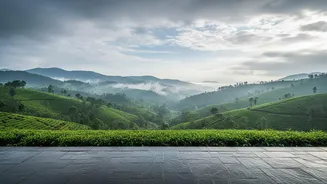
the rainy season, with some reports indicating hotel bookings are up by nearly 54% year-on-year. Destinations like Munnar and Mussoorie have seen a nearly tenfold growth in hotel bookings compared to last year. This shift is driven by a desire for more experience-led journeys, with travellers embracing the unique charm of a rain-soaked India. The appeal is clear: fewer crowds than in peak season, dramatic green landscapes, and often more affordable prices on flights and accommodation. This has turned the monsoon into a preferred travel period for many.
The Flexibility Factor
While the rewards of monsoon travel are high, so are the uncertainties. Heavy rains can lead to sudden flight delays, waterlogged roads, and even landslides, particularly in hill stations. This unpredictability makes committing to non-refundable bookings a significant gamble. In response, both travellers and the travel industry are embracing flexibility. Tour operators are proactively offering refundable tickets and collaborating with hotels for flexible cancellation policies. Options like 'free cancellation' and 'pay-at-hotel' are becoming a priority for travellers, as they remove the financial risk from planning ahead. This allows people to book their preferred destinations with confidence, knowing they can adapt their plans if the weather doesn't cooperate.
Decoding the Fine Print
The word 'refundable' can mean different things, and it's crucial for travellers to read the terms and conditions carefully. A full refund to the original payment method is the ideal scenario, but many policies offer credit shells or vouchers for future travel. Pay close attention to cancellation deadlines, as some 'free cancellation' offers are only valid up to a certain number of days before check-in. Also, be aware of non-refundable processing fees that might be deducted. For added security, many travellers are now opting for travel insurance policies that specifically cover disruptions due to weather, offering peace of mind for flight cancellations and other unforeseen events.
Popular Monsoon Destinations
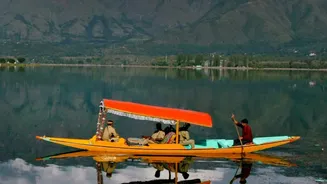
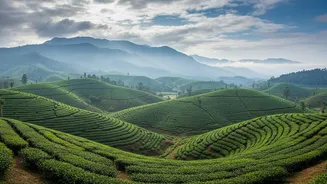
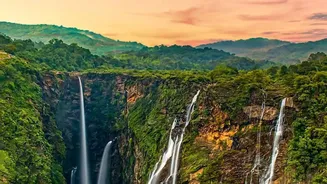
The monsoon surge is evident across the country. In the south, Kerala remains a top choice, with destinations like Wayanad and Munnar seeing triple-digit growth in hotel bookings. The lush coffee plantations of Coorg in Karnataka also draw significant crowds. In the north, hill stations like Rishikesh and Mussoorie have recorded massive year-on-year increases in searches, attracting those seeking wellness and nature. Even Rajasthan is proving popular, with cities like Udaipur offering a romantic, less-crowded experience as lakes fill and the Aravalli hills turn green. Goa, traditionally a winter destination, is also seeing a spike in interest, with visitors enjoying a quieter, greener side of the state with lower prices.
How the Industry is Responding
Travel companies are adapting quickly to this evolving trend. Airlines and online travel agencies are enhancing their systems to handle a greater volume of rescheduling requests and refunds. Many are launching specific 'Monsoon Sale' campaigns with significant discounts on flights and hotels to encourage travel during this period. Hotels, especially in popular monsoon spots, are creating 'weatherproof' experiences and offering more lenient check-in terms. This industry-wide shift towards flexibility demonstrates an understanding that for modern monsoon travellers, confidence and assurance are just as important as a good deal.