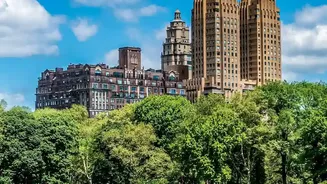




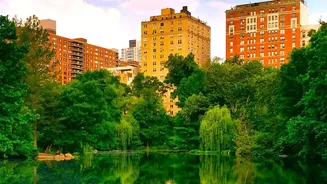


In the concrete jungles we call metros, a patch of green is more than just a pretty sight. It's an essential oasis that boosts our physical health, calms our minds, and brings neighbours together in ways high-rises and highways cannot.
An Antidote to Urban Stress
Life in a major
Indian city is a sensory overload of traffic, noise, and crowds. Urban green spaces—from sprawling parks and community gardens to simple tree-lined streets—act as vital counterweights to this pressure. They are not merely decorative elements but critical infrastructure for public health. Studies show that access to these natural environments helps lower stress levels, reduce blood pressure, and improve overall mood. The simple act of being in a green environment provides a break from urban overstimulation, allowing for mental restoration and reducing feelings of anxiety. This is because trees and plants filter air pollutants, dampen noise, and provide a calming visual contrast to the built environment, creating a sanctuary for both mind and body.
A Prescription for Physical Well-being
The health benefits of green spaces are tangible and well-documented. By providing safe and accessible areas for recreation, parks encourage physical activity like walking, jogging, and cycling. This increased activity is directly linked to lower risks of obesity, diabetes, and cardiovascular disease. Beyond promoting exercise, green areas actively improve environmental quality. Trees are natural air purifiers, absorbing toxins and releasing oxygen, which can lead to better respiratory health. They also combat the 'urban heat island' effect, where concrete and asphalt trap heat, making cities significantly warmer. A lush tree canopy provides shade and cools the air through a process called evapotranspiration, reducing energy consumption and the risk of heat-related illnesses.
Weaving the Social Fabric
Perhaps one of the most underrated functions of urban parks is their role as a social catalyst. They are natural gathering places where people from different backgrounds can interact, fostering a sense of community and belonging. Parks serve as communal backyards for apartment dwellers, providing a space for children to play, families to picnic, and seniors to socialise. This increased social contact helps reduce feelings of loneliness and isolation, which are growing concerns in fast-paced urban settings. Community events like festivals, outdoor classes, and farmers' markets held in parks further strengthen these social bonds. Well-maintained green spaces have even been linked to lower crime rates, as they encourage positive community engagement and a collective sense of ownership over the neighbourhood.
Greening India's Urban Future
Recognising these extensive benefits, urban planners and government bodies in India are increasingly focusing on integrating green spaces into city development. Initiatives like the Atal Mission for Rejuvenation and Urban Transformation (AMRUT) aim to develop parks and green spaces across hundreds of cities. Cities like Hyderabad and Pune are experimenting with methods like Miyawaki forests to create dense, biodiverse green patches on small land parcels. The rise of community gardens and rooftop farming in metros like Bengaluru and Mumbai shows a growing citizen-led movement towards greening personal and shared spaces, driven by a desire for better food quality and a connection to nature. These efforts, from large-scale government projects to local community actions, signal a shift towards viewing green infrastructure as a necessity, not a luxury.