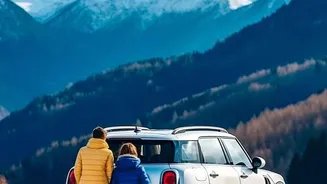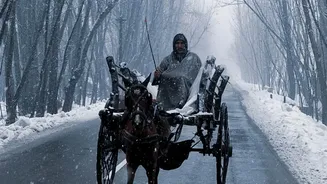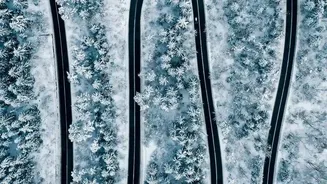

The allure of a winter road trip in India is undeniable—snow-dusted Himalayan peaks, crisp desert air, and misty coastal drives. But turning this dream into a safe and memorable reality requires more than just a full tank of fuel.
Why Winter Demands Extra Caution
A winter road trip is
unlike any other journey. Conditions can change in an instant. A sunny morning can give way to a foggy afternoon, and a clear road can quickly become a treacherous sheet of ice. In regions like Himachal Pradesh, Uttarakhand, and Kashmir, heavy snowfall can lead to sudden road closures, sometimes for days, blocking access to popular destinations like Manali, Shimla, and the Lahaul Valley. Even in the plains or deserts of Rajasthan, dense fog can reduce visibility to near-zero, making highway driving extremely hazardous. This is why meticulous planning isn't just recommended; it's an essential part of the adventure itself, ensuring you are prepared for whatever the elements throw your way.
Your Vehicle: The First Line of Defence
Before you even think about packing your bags, your vehicle needs a thorough check-up. Cold weather is harsh on cars. Start with a full service, paying special attention to the battery, which can lose efficiency in the cold. Check all fluids, especially the engine coolant; a 50/50 mix with antifreeze is crucial in sub-zero temperatures to prevent the engine block from cracking. For diesel vehicles heading to high altitudes, using anti-gel additives is necessary to stop the fuel from turning into a thick wax. Finally, inspect your tyres. Ensure they have adequate tread depth, and for trips to snowy regions, consider fitting winter or all-season tyres for better grip on ice and snow.
Mastering Tricky Road Conditions
Winter driving demands a different set of skills. The two biggest threats are poor visibility from fog and loss of traction on ice. When driving in fog, reduce your speed dramatically, use low-beam headlights (high beams reflect off the fog and worsen visibility), and increase your following distance to at least 5-6 seconds. On mountain roads, the most significant danger is black ice—a transparent, thin layer of ice that makes the road look merely wet. It's often found on bridges, in tunnels, and on shaded bends. If you hit a patch of black ice, do not brake or steer suddenly. Ease off the accelerator and keep the steering wheel straight. Using engine braking by shifting to a lower gear on descents is much safer than relying solely on your brakes, which can lock up on icy surfaces.
Know Your Route and Check Ahead
Never start your journey without researching your route. Roads that are open one day can be closed the next. The Border Roads Organisation (BRO) and local district police departments often post updates on social media about the status of high altitude passes like those in Ladakh, Lahaul, and Spiti. For example, access to the Atal Tunnel is frequently restricted to 4x4 vehicles only after snowfall. Be aware that even major national highways can be blocked. Always have buffer days in your itinerary to account for potential delays due to weather or road closures. It's also wise to download offline maps, as mobile network coverage can be unreliable in remote areas.
Packing Your Emergency Kit
Your winter emergency kit can be a lifesaver if you get stranded. Beyond warm clothes and blankets, your car should be equipped with essentials. This includes a tow rope, jumper cables, a powerful flashlight, and a first aid kit. Pack non perishable food like energy bars and nuts, along with plenty of water. A fully charged power bank for your phone is non negotiable. For trips involving snow, snow chains for your tyres are a must have, as are a shovel and some sand or cat litter to provide traction if your vehicle gets stuck. Learning how to install snow chains before your trip is crucial ; you don't want to be figuring it out for the first time in a blizzard.