




A Cultural Shift in Consumption
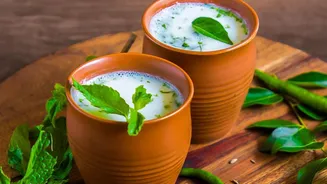
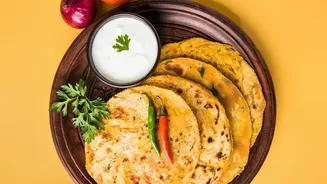
For generations, dairy has been the backbone of nutrition in Indian households. However, a significant transformation is underway. The market is no longer just about the quantity of milk produced—India being the world's largest producer—but about the value-added
products derived from it. This shift is driven by a confluence of factors: rising disposable incomes, a surge in health consciousness, and the sheer convenience offered by quick commerce. Consumers are no longer just buying milk; they are buying nutrition, convenience, and lifestyle-oriented solutions. This evolution has turned protein from a niche concern for gym-goers into a mainstream priority for everyday wellness.
The Busy Indian's Protein Problem
Studies have repeatedly highlighted that a significant portion of the Indian population is protein-deficient, with diets often being heavy on carbohydrates. While traditional meals are wholesome, they don't always meet the daily recommended protein intake, which is crucial for muscle health, immunity, and sustained energy. Urban professionals, active adults, and even busy parents are recognizing this gap. They need nutritional solutions that don't require extensive preparation. The demand is for products that can be consumed on the way to work, after a workout, or as a quick, guilt-free snack, bridging the nutritional gap without disrupting a packed schedule.
What's on the Shelf Now?
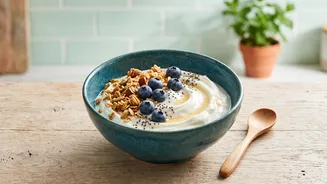
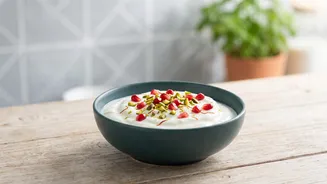
The market has responded with an explosion of innovative, convenient dairy protein options. Ready-to-drink (RTD) protein shakes are leading the charge, with brands offering anywhere from 20 to 30 grams of protein per bottle in appealing flavours like cold coffee, chocolate, and even malai kulfi. Beyond shakes, high-protein variants of traditional favourites are gaining traction. Think of paneer and curd specifically formulated to have higher protein content, such as Mother Dairy's 'Pro' range. You can also find high-protein milk, which uses methods like ultrafiltration to concentrate the natural proteins without adding powders. Greek yogurts, protein wafer bars, and fortified milk beverages are also moving from niche health food aisles to mainstream grocery carts.
Not Just the Big Players
While large dairy cooperatives like Amul and Mother Dairy are innovating, the direct-to-consumer (D2C) space is buzzing with activity. A host of startups and newer brands are capturing the attention of health-conscious consumers by offering clean-label products and specialized formulations. Brands like Country Delight and Akshayakalpa Organic are delivering high-protein milk directly to homes, emphasizing natural ingredients and transparent sourcing. Others are focusing on specific needs, like lactose-free protein shakes or products with no added sugar. This D2C boom, amplified by the reach of quick-commerce platforms, has made these convenient protein options more accessible than ever before.
Making an Informed Choice
With a plethora of options, it's helpful for consumers to know what to look for. The source of protein is key. Many modern products use natural filtration techniques to concentrate the milk's inherent proteins (casein and whey), which is often preferred over milk that simply has external protein powders added. Reading the label for sugar content is also important, as some flavoured beverages can be high in added sugars. The goal for most consumers is to find a product that offers a clean, high-quality protein source in a format that genuinely adds convenience, not just calories. As this trend continues to grow, the power is increasingly in the hands of the informed consumer to choose products that best support their health and lifestyle goals.