







A Crack in the Crust
For decades, geologists worked with the model of a single, vast Indo-Australian plate. This colossal piece of Earth’s crust carried both the Indian subcontinent and Australia on its back. However, the immense pressure from India’s northward collision
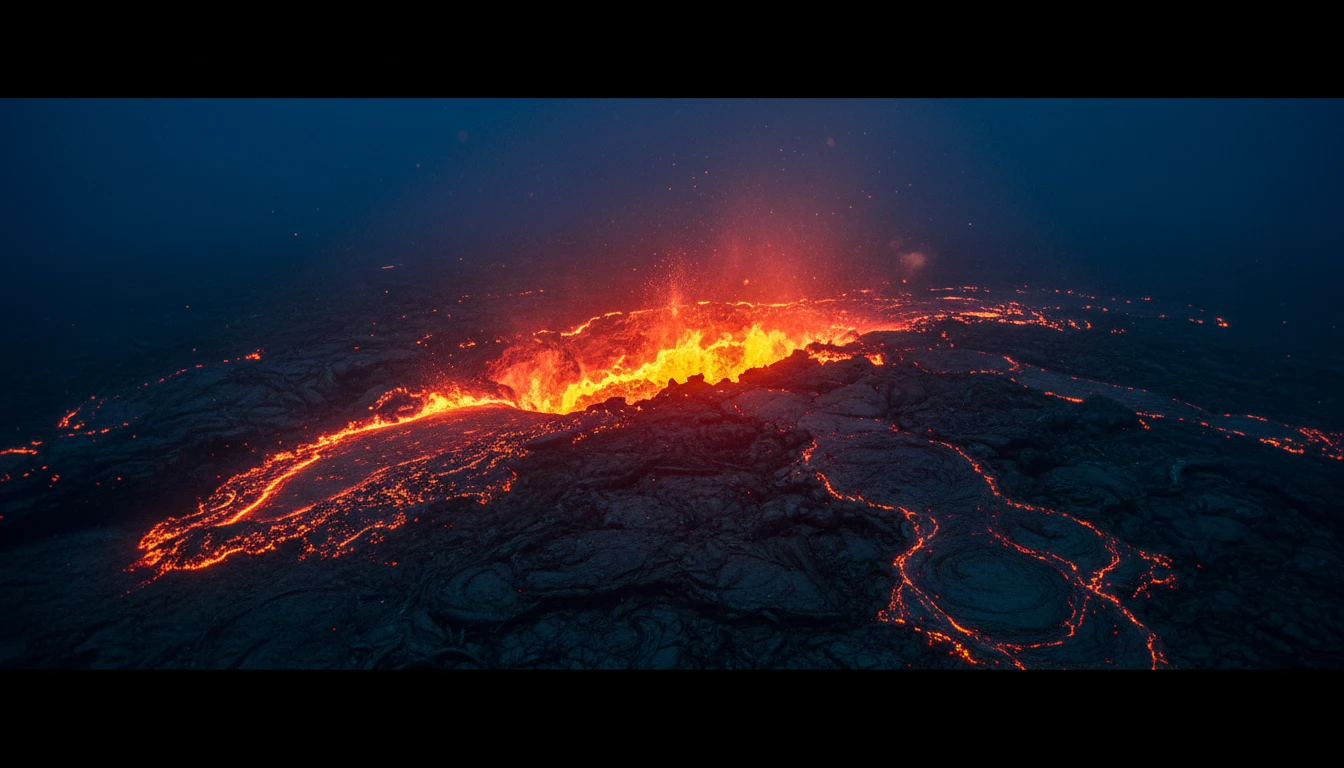
into the Eurasian plate—the very force that raised the Himalayas—is causing this super-plate to buckle under the strain. Scientists now have compelling evidence that it is not one, but three plates tied together: the Indian, Australian, and a smaller one between them called the Capricorn plate. This collection of plates is now slowly tearing apart in a process that began millions of years ago. The discovery was propelled by two unusually powerful earthquakes in 2012 that didn't happen at a known plate boundary, but right in the middle of the plate, deep beneath the ocean. This seismic mystery sent researchers on a hunt for an explanation, leading them to a startling conclusion: a new plate boundary is being born.
The Slowest Breakup in History
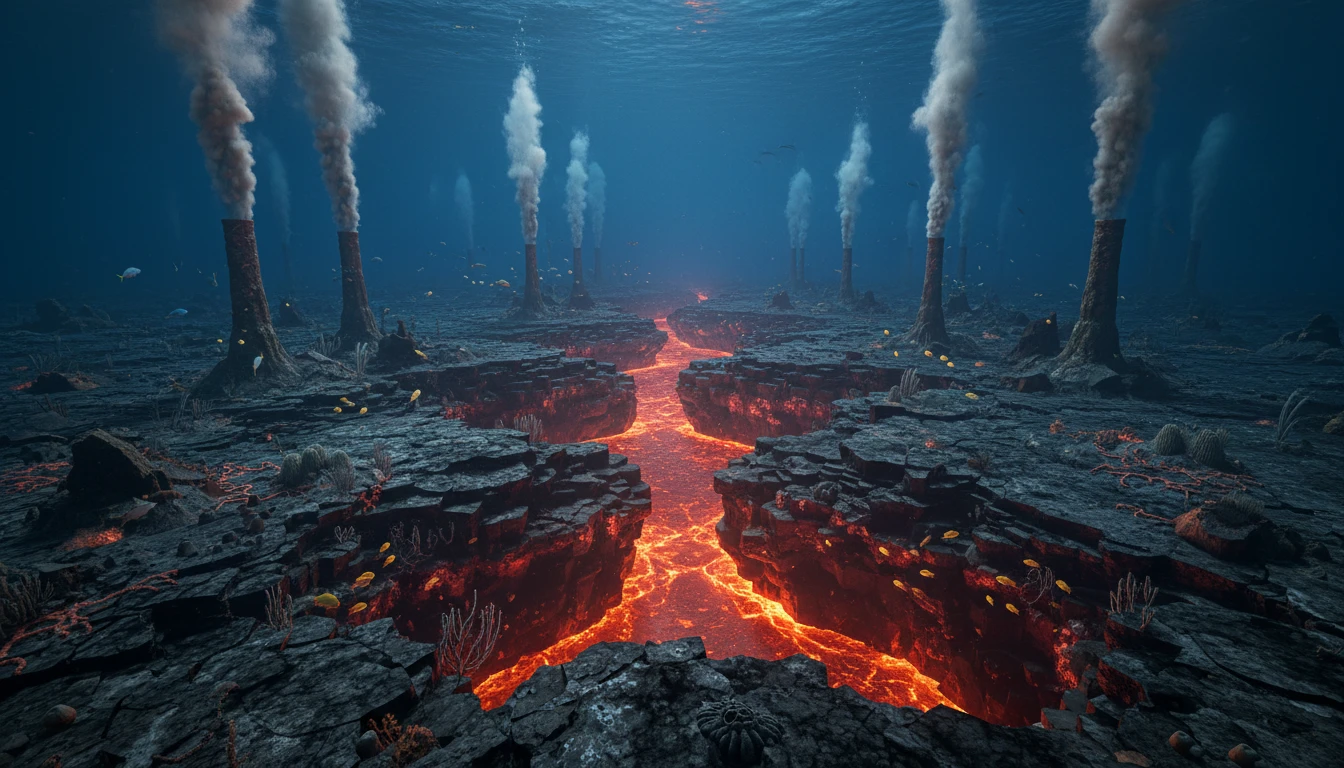
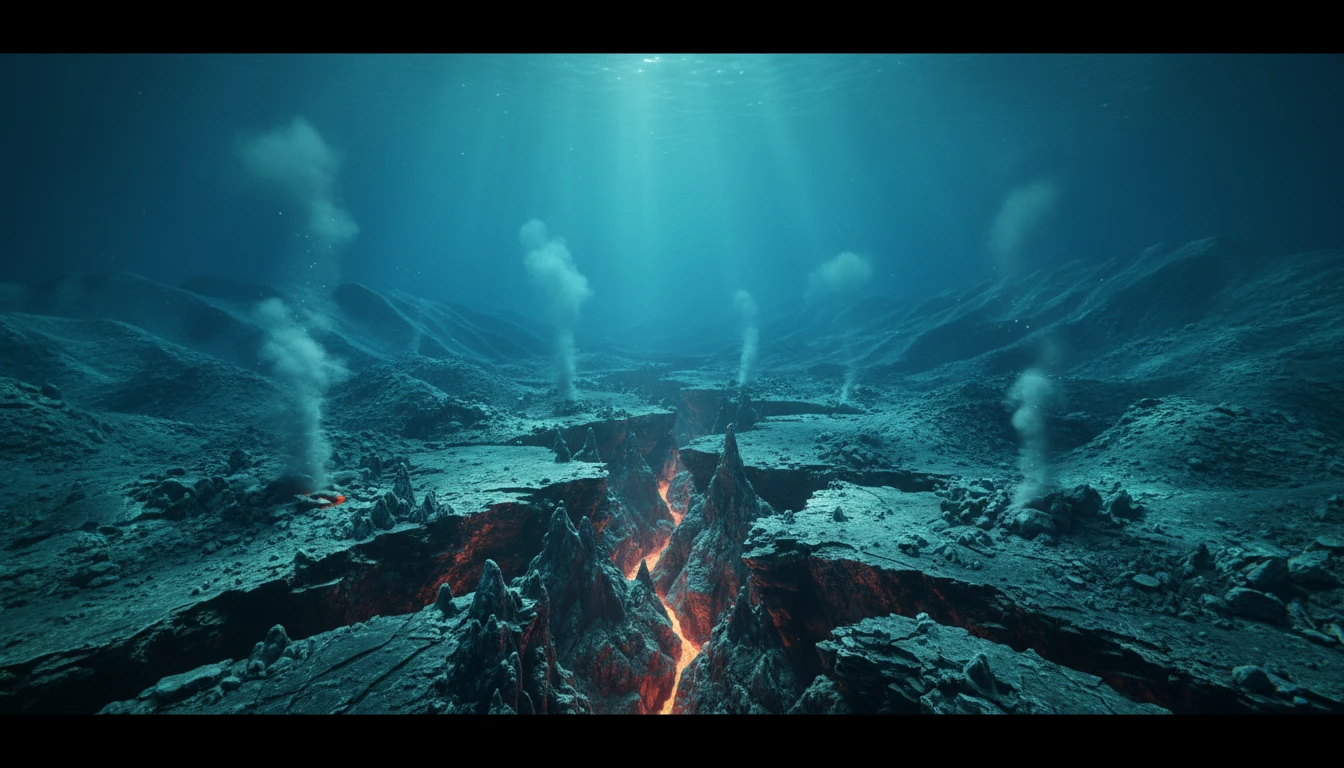
The drama is unfolding in a deep, remote part of the ocean known as the Wharton Basin. Here, researchers have identified a series of faults that are essentially repurposing ancient cracks in the seafloor into a new, active boundary. Using sound waves to map the ocean floor in incredible detail, they found a landscape of geological stress, marked by dozens of depressions called "pull-apart basins." But this breakup is happening at a geologically unhurried pace. The two emerging pieces are separating at a rate of about 1.7 millimetres per year. To put that in perspective, in one million years, they will be just 1.7 kilometres farther apart than they are today. While this is incredibly slow by human standards, it is a significant and measurable process that challenges long-held geological theories.
Rewriting the Geology Textbooks
The classic theory of plate tectonics describes the plates as rigid, uniform blocks that only interact at their edges. Earthquakes, volcanoes, and mountain building all happen at these boundaries. The discovery in the Indian Ocean complicates this picture. It demonstrates that plates are not perfectly rigid; they can stretch, deform, and even fracture in their interiors when subjected to immense, prolonged stress. The formation of this new boundary zone shows that the planet's crust is more complex and dynamic than previously understood. What was once thought to be a passive area of the seafloor is now recognised as a place of active deformation, a laboratory for observing how new plate boundaries are formed over geological time. This process, happening miles beneath the waves, provides a rare glimpse into the fundamental forces that shape our planet.
Improving Undersea Monitoring and Hazard Assessment
While the complete separation of the plate will take tens of millions of years, the ongoing stress has immediate relevance for the millions of people living along the Indian Ocean's rim. The 2004 earthquake and tsunami were a devastating reminder of the region's seismic vulnerability. That event occurred at a subduction zone, where one plate slides beneath another. The new research into the Wharton Basin reveals another, different type of fault system that must be factored into regional risk assessments. Understanding how and where stress is building up and being released across the entire Indo-Australian-Capricorn plate system is crucial for forecasting future geohazards. Though a major earthquake on this specific new fault line is not thought to be imminent for potentially thousands of years, every piece of knowledge helps build more robust tsunami and earthquake early warning systems. Better monitoring and a more complete map of undersea fault lines mean a better chance of protecting coastal communities in India and neighbouring countries from future events.