

Jakhiya Aloo from Uttarakhand
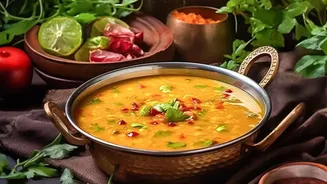
Imagine a potato dish that crackles with a nutty, earthy aroma unlike anything you have ever tasted. That’s the magic of Jakhiya Aloo, a staple from the hills of Uttarakhand. The star here is jakhiya, a tiny wild seed often called 'wild mustard'. When
tempered in hot oil, these dark brown seeds pop and release a sharp, crunchy texture that elevates the humble potato. It’s a simple dish that proves a single, unique ingredient can completely transform a familiar vegetable, offering a true taste of the Himalayan foothills.
Kalari Kulcha from Jammu
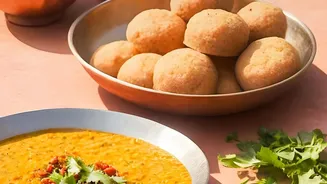
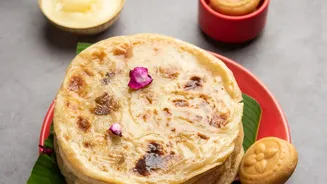
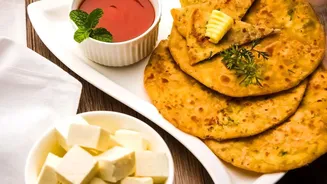
Move over, mozzarella. Kalari is Jammu’s answer to a dense, stretchy, and utterly delicious cheese. Traditionally made by the Dogra and Gujjar communities to preserve milk during hot summers, this cheese has a firm exterior that becomes incredibly soft and gooey when cooked. The most famous way to enjoy it is in a Kalari Kulcha, a popular street food. The cheese disc is pan-fried in its own fat until it’s golden and crisp on the outside and molten on the inside, then stuffed into a soft kulcha. It’s a cheesy, satisfying snack you won’t easily forget.
Makhane ki Kheer from Bihar
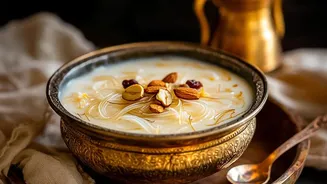
Makhana, or fox nuts, are often enjoyed as a roasted snack, but in Bihar, they are the heart of a rich and creamy dessert: Makhane ki Kheer. These puffed lotus seeds have a neutral flavour and a delightful texture that softens beautifully when simmered in milk. Unlike rice or vermicelli kheer, Makhane ki Kheer has a unique, almost melt-in-your-mouth quality. The makhanas are typically roasted in ghee, lightly crushed, and then slow-cooked in sweetened milk infused with cardamom. It's a wholesome and comforting dessert that showcases the versatility of this incredible aquatic crop from Mithila.
Gondhoraj Ghol from Bengal
In Bengal, not all limes are created equal. The Gondhoraj Lebu, or 'king of aroma lime', is celebrated not for its juice, but for its intense, captivating fragrance. This oblong, green citrus is a cross between a mandarin and a lime and its zest can perfume an entire meal. A classic way to experience it is in Gondhoraj Ghol, a refreshing yogurt drink. A simple blend of yogurt, water, a hint of sugar, and black salt is completely transformed by a squeeze of gondhoraj juice and a bit of its zest. It’s an aromatic drink that perfectly captures the essence of Bengali summers.
Pork with Bamboo Shoots from Nagaland
In Naga cuisine, few ingredients are as iconic as bamboo shoots. Whether fresh or fermented, they provide a distinct tangy, and sometimes pungent, flavour that is central to many dishes. A classic preparation is Pork with Bamboo Shoots, a hearty and smoky curry. The pork is slow-cooked with generous amounts of fermented bamboo shoots, fiery Naga king chillies, and ginger-garlic paste. The fermentation process gives the bamboo a unique sourness that cuts through the richness of the pork, creating a bold, complex flavour profile that is quintessentially Naga.
Moras Bhaji from Maharashtra
During the monsoon along the coastal regions of Maharashtra, a special green makes an appearance: moras bhaji. This succulent, also known as Indian Saltwort, grows in salty marshlands and has fleshy leaves with a naturally salty and slightly sour taste. Because of its inherent saltiness, it's often prepared with minimal added salt. Usually, it’s simply stir-fried with onions, garlic, and green chillies, allowing its unique, juicy texture and 'chaat masala' like flavour to shine. It is often used to make fritters or added to lentil batters, offering a taste of the unique wild edibles of the coast.
Chettinad Dishes with Kalpasi
The secret to the deep, earthy flavour of many Chettinad dishes from Tamil Nadu is an ingredient you might not even notice: kalpasi, or black stone flower. This unique lichen, which grows on rocks, doesn't have a strong taste on its own but works as a flavour enhancer. When tempered in hot oil, it releases a subtle, smoky, and woody aroma that adds immense depth to spice blends. It’s a key component in authentic Chettinad masalas used for chicken or vegetable curries, lending them a mysterious, complex flavour that sets the cuisine apart.
Goan Vindaloo with Toddy Vinegar
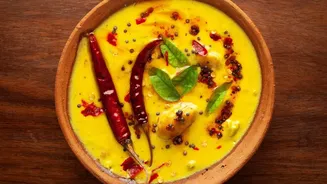
A true Goan Vindaloo gets its signature tangy kick not from regular vinegar, but from toddy vinegar. This special vinegar is made from the fermented sap of coconut palm trees, a practice central to Goan Catholic cuisine. It has a gentler, more complex acidity with slightly sweet undertones compared to its synthetic counterparts. This unique souring agent is essential for balancing the heat of the red chillies and the rich blend of spices in a traditional vindaloo or sorpotel. Using toddy vinegar is the key to achieving that authentic, layered Goan flavour.