





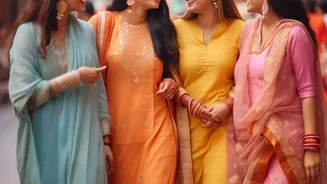
A Workforce Second Only to Agriculture
The number is staggering: over 3.5 million people are employed in the handloom sector, making it the second-largest employment provider in rural India after agriculture. This isn't just a cottage industry; it's a vast economic ecosystem. According to the Handloom
Census of 2019-20, the workforce includes 26.73 lakh weavers and 8.48 lakh allied workers. Crucially, women form the backbone of this sector, comprising over 70% of the weavers and workers. For millions of families in rural and semi-rural areas, handloom is not a hobby but the primary source of income, offering a sustainable livelihood with low capital investment and a minimal environmental footprint.
More Than a Product, a Cultural Legacy
Each handloom product is a piece of living history. The date for National Handloom Day, August 7, was chosen to commemorate the Swadeshi Movement, which was launched on this day in 1905 to boycott foreign goods and promote indigenous industries. This spirit of self-reliance is embodied in every thread. From the Banarasi silks of Uttar Pradesh to the Pochampally Ikat of Telangana, India’s diverse weaving traditions are a direct reflection of its cultural richness. These skills are passed down through generations, representing a unique, intangible heritage that cannot be replicated by machines. Supporting handloom is therefore not just an economic choice but an act of cultural preservation.
The Fraying Edges: Challenges Facing Weavers
Despite its importance, the handloom sector faces significant threats. The primary challenge is stiff competition from cheaper, mass-produced power loom and mill-made textiles. Weavers often struggle with inconsistent incomes, with daily wages sometimes as low as ₹200-₹250 despite their intensive labour. Fluctuating prices of raw materials like yarn and dyes, coupled with limited access to credit and modern marketing platforms, further squeeze their already thin margins. An aging artisan population is also a major concern, as younger generations often migrate to urban areas in search of more lucrative employment opportunities, leaving the future of these traditional skills uncertain.
Weaving a Stronger Future
Recognising these challenges, both government and private entities are taking steps to support the sector. The Government of India has implemented several schemes, such as the National Handloom Development Programme (NHDP), the Weavers MUDRA Scheme for concessional loans, and the Handloom Weavers' Comprehensive Welfare Scheme for social security. These programs aim to provide support from raw material supply to marketing assistance and skill development. Initiatives to set up mega handloom clusters and Design Resource Centres are also underway to improve infrastructure and innovation. Furthermore, the rise of e-commerce and a growing consumer consciousness around sustainable, ethical fashion present new opportunities for weavers to connect directly with markets and tell the story behind their craft.