






Rule 1: Master the Art of Layering
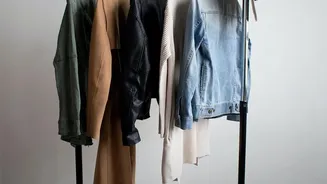
Instead of packing bulky, single-purpose items like heavy jumpers, think in terms of layers. Layering gives you the flexibility to adapt to changing temperatures throughout the day. A typical system includes a base layer (like a merino wool tee), a mid-layer
(such as a fleece or a thin cardigan), and an outer shell (a packable waterproof or windproof jacket). This approach allows you to add or remove clothing as needed, ensuring you're comfortable whether you're in a sun-drenched town square or caught in a sudden downpour on a mountain trail. Lightweight layers are more space-efficient than one heavy coat and offer far more outfit combinations.
Rule 2: Choose Your Fabrics Wisely
The right fabrics are crucial for a multi-purpose wardrobe. Merino wool is a traveller's favourite because it is lightweight, breathable, resists odours, and regulates body temperature, keeping you warm in the cold and cool in the heat. It also dries quickly, which is a bonus for washing clothes on the go. Synthetic performance fabrics are also excellent choices. Avoid materials like heavy denim or 100% cotton, which are bulky and take a long time to dry when wet, a major drawback in damp climates. Prioritising quick-drying and versatile fabrics means you can pack less and stay comfortable.
Rule 3: Stick to a Cohesive Colour Palette
To maximise your outfit combinations, stick to a limited and cohesive colour palette. A popular method is to choose two or three neutral base colours—like black, navy, grey, or beige—that all work together. Then, add one or two accent colours for variety. This ensures that every top you pack can be worn with every bottom, dramatically increasing the number of possible outfits without adding more items to your suitcase. A neutral foundation allows for effortless mixing and matching, making it easy to look put-together with minimal effort.
Rule 4: Every Item Must Earn Its Place
When space is at a premium, every single item in your bag must be a workhorse. Before packing anything, ask yourself if it can serve multiple purposes. A large scarf can be used for warmth, as a fashion accessory, a head covering, or even a makeshift blanket on a chilly plane. A simple dress can be worn casually with trainers during the day or dressed up with different accessories for an evening out. Choose button-up shirts that can be worn on their own or open as a light jacket over a t-shirt. This mindset of versatility is the core principle of packing light and smart.
Rule 5: Use Accessories to Adapt and Elevate
Accessories are a lightweight way to completely change the feel of an outfit and adapt it to different situations. A colourful scarf, a statement piece of jewellery, or a stylish belt can transform a basic neutral outfit. They take up minimal space but provide maximum impact, allowing you to re-wear your core clothing items without feeling repetitive. A hat can offer sun protection or warmth, while a versatile bag can work for both city exploring and light hiking. Don't underestimate the power of small additions to refresh your look.
Rule 6: Limit Your Footwear Strategically
Shoes are often the bulkiest and heaviest items in a suitcase, so it's essential to choose them carefully. Aim for no more than two or three pairs. The key is to select multi-purpose footwear. One pair should be comfortable walking shoes that can handle a full day of sightseeing, like stylish trainers or walking loafers. A second pair could be slightly dressier flats or sandals that work for evenings but are still comfortable. If your trip involves hiking, trail runners can often double as your primary walking shoe. Always wear your heaviest, bulkiest pair on the plane to save space in your luggage.