





The Science of a Green Canopy
Before we dive into the list, it's helpful to understand how plants cool the air. The process is called transpiration. Plants absorb water through their roots and then release it as cool water vapour through tiny pores on their leaves. This process naturally
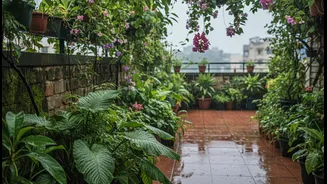
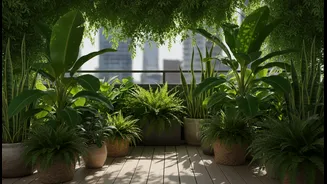
lowers the ambient temperature around them. Plants with large, broad, or numerous leaves tend to be more effective at this. Additionally, a dense arrangement of plants creates shade, preventing concrete and tile floors from absorbing and radiating heat, which is a common issue on Indian terraces. By choosing the right species, you can create a microclimate that is noticeably more comfortable.
Areca Palm
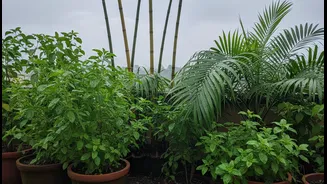
Often called a 'natural humidifier', the Areca Palm is a champion at releasing moisture into the air. Its delicate, feathery fronds are not just beautiful; they have a large surface area that is excellent for transpiration. This plant thrives in the bright, indirect light common on many covered terraces and adds a lush, tropical feel. During the monsoon, its love for humidity means it will flourish, though you must ensure its pot has excellent drainage to prevent waterlogging, a common issue during heavy rains. Grouping a few Areca Palms together can significantly enhance the cooling effect in a specific corner of your terrace.
Ferns
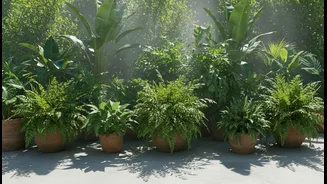
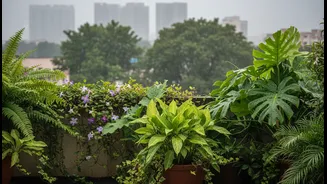
Ferns, especially varieties like the Boston Fern, are renowned for their ability to boost humidity and cool their surroundings. Their dense, lush foliage is highly effective at transpiring, releasing plenty of moisture into the atmosphere. Ferns are perfect for the Indian monsoon as they naturally thrive in humid, shady conditions. Place them in a spot on your terrace that doesn't get harsh, direct sunlight. They look particularly stunning in hanging baskets, where their arching fronds can create a cascading wall of green, providing both beauty and a refreshing coolness. Regular misting keeps them happy, especially on days without rain.
Money Plant (Pothos)
The humble Money Plant is one of the easiest and most effective cooling plants for a terrace. This fast-growing climber can be trained along railings or a trellis to create a living green curtain. This 'green curtain' provides shade, preventing walls and floors from heating up, while its heart-shaped leaves contribute to cooling through transpiration. The Money Plant is incredibly resilient and thrives during the monsoon, enjoying the ambient moisture. Just ensure the soil is well-draining. For a fuller look, plant several cuttings in one pot and watch them create a dense, cooling canopy.
Snake Plant
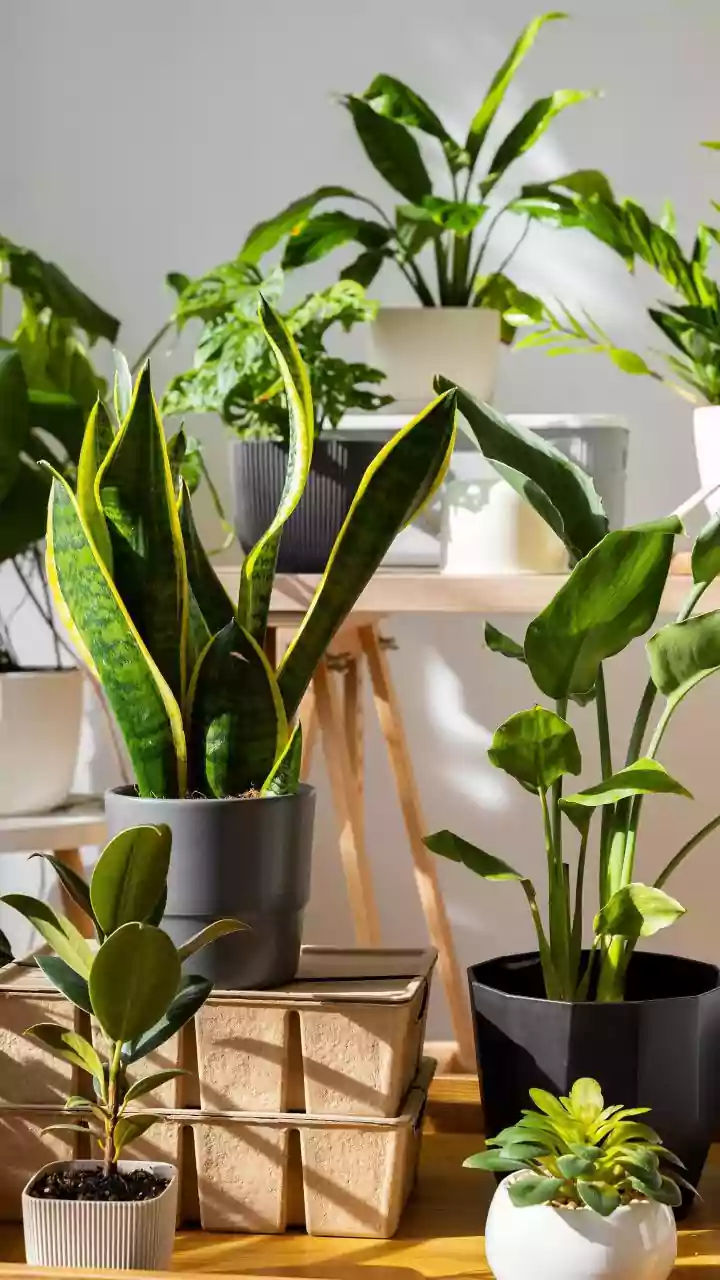
Known for its resilience and air-purifying qualities, the Snake Plant is another excellent choice for a monsoon-ready terrace. Its thick, succulent-like leaves store a high amount of water, which it releases into the air, contributing to a cooler environment. What makes the Snake Plant unique is that it releases oxygen at night, which can make the air feel fresher during humid evenings. It is incredibly low-maintenance and tolerates the high humidity of the monsoon season well, but it is sensitive to overwatering, so a pot with good drainage is crucial.
Aloe Vera
Similar to the Snake Plant, Aloe Vera has thick, water-filled leaves that are great for cooling. This succulent releases moisture into the air, particularly at night, helping to regulate the temperature on warm, sticky evenings. While it loves the humidity of the monsoon, it detests waterlogged soil. It's best to place it on a covered part of your terrace where it is shielded from direct, heavy downpours. Beyond its cooling properties, the gel inside its leaves is a well-known home remedy for minor skin irritations.
Monsoon Care Essentials
While monsoon is a great growing season, it brings challenges. The most significant risk is root rot from waterlogging. Ensure every pot has clear drainage holes and consider placing pots on stands or bricks to help excess water escape. High humidity can also encourage fungal growth. Improve air circulation by not overcrowding your plants and prune any yellowing or dead leaves promptly. While it may seem counterintuitive, you might still need to water plants that are under a covered roof and not getting any rain. Always check the soil moisture before watering.