






A Deal on the Horizon?
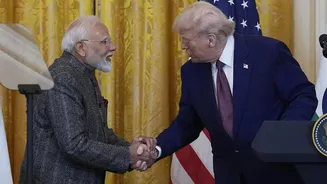
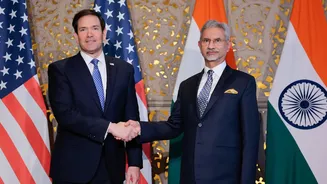
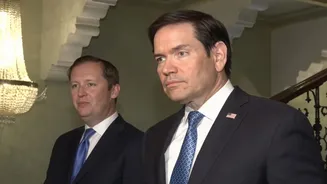
Recent high-level meetings have ignited hopes for a long-awaited bilateral trade agreement. During a visit to Mumbai on October 20, 2026, US Secretary of State Marco Rubio stated that the two nations are 'very, very close' to finalising a deal, with only
a few outstanding issues to resolve. This follows statements from Indian Commerce Minister Piyush Goyal, who confirmed that the first phase of the agreement had been finalised and was undergoing legal review. These discussions are a welcome development after a period of significant trade friction, which saw the US impose tariffs of up to 50% on many Indian goods in August 2025 before a framework agreement in February 2026 reduced the rate to 18%. An official deal could bring much-needed stability and a competitive advantage for Indian products in the American market.
The Lingering Threat of Tariffs
Despite the positive signs, the path forward is not without risk. The period of high tariffs between 2025 and 2026 left a lasting impact. For example, textile export orders from Surat to the US reportedly dropped by 50% during the peak tariff period. This volatility has taught Indian businesses a harsh lesson about over-reliance on a single market. Many exporters, who had to absorb costs or enter tariff-sharing deals with buyers to remain competitive, are now actively diversifying their markets to hedge against future 'tariff shocks'. The memory of those punitive duties, which were linked to issues like India's procurement of Russian oil, serves as a reminder that geopolitical factors can abruptly disrupt commercial ties.
Ripple Effects on Freight and Logistics
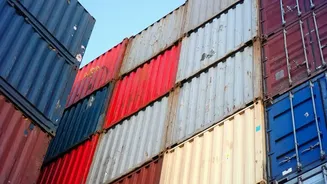
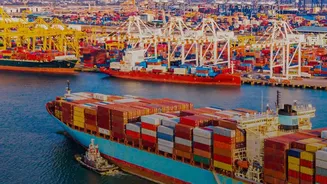
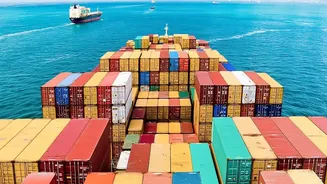
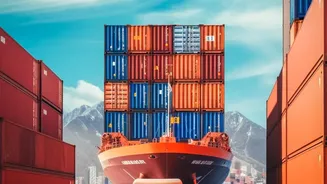
The logistics sector, the backbone of India's export economy, is particularly sensitive to this uncertainty. Even the threat of tariffs can cause major disruptions. Logistics experts note that importers may rush to front-load orders to beat potential tariff deadlines or halt new orders altogether, creating unpredictable swings in shipping demand and freight rates. When tariffs were at their highest, some Indian companies saw their US-bound shipments fall by as much as 60-70%. This volatility is compounded by existing operational pressures, such as port congestion at hubs like Nhava Sheva and weather-related delays, which already slow down cargo movement and elevate costs. A stable, low-tariff environment is crucial for logistics providers to manage capacity and offer predictable pricing.
A Strategy of Resilience
In response to this challenging environment, Indian businesses are adopting a strategy of 'resilience through diversification'. While the US remains India's largest export destination, many firms are aggressively expanding into markets in the UK, European Union, and Latin America to reduce their dependency. This 'China+1' strategy, where global companies seek manufacturing alternatives to China, also presents an opportunity for India. However, to fully capitalise on it, the nation must address internal logistics bottlenecks. For now, the prevailing sentiment among Indian exporters and MSMEs is cautious optimism. They welcome the potential relief from a trade deal but are simultaneously building supply chains that are agile enough to withstand future trade policy shifts.