



The Truth About Plants and Air Quality
First, let's address the big claim: can a few plants truly 'purify' the air in your bedroom? The idea gained popularity from a 1989 NASA study which found certain houseplants could remove volatile organic compounds (VOCs) like formaldehyde and benzene
from sealed chambers. This is scientifically true. However, our homes are not sealed labs. More recent analysis has shown that you would need a huge number of plants—perhaps hundreds in a single room—to match the air-cleaning power of simple ventilation or a mechanical air purifier. So, while your desk plant won't single-handedly scrub the air clean, it does make a small contribution. Plants are known to absorb some pollutants, release oxygen, and can even increase humidity slightly, which can help reduce airborne dust. Think of them as beautiful, living helpers that contribute to a healthier overall environment, rather than a magic bullet for air purification.
The Snake Plant: Stylish and Tough
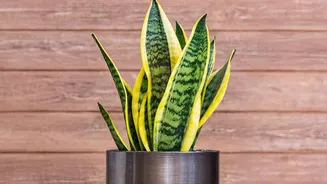
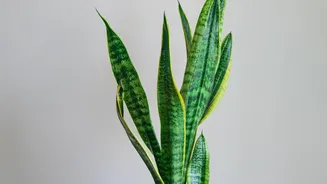
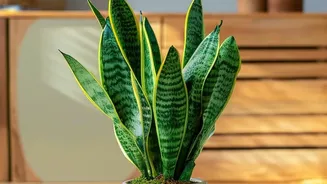
The Snake Plant, or Sansevieria, is a champion of easy-care greenery and a star of the original NASA study. Its upright, sword-like leaves create a modern architectural look on any desk or nightstand. What makes it perfect for the bedroom is its unique ability to perform a type of photosynthesis that allows it to release oxygen at night, unlike most other plants. It's also incredibly forgiving. Snake plants tolerate low light, though they prefer bright, indirect sun to maintain their vibrant colour. The biggest mistake you can make is overwatering. These plants are drought-tolerant and prone to root rot, so it's best to let the soil dry out completely between waterings, which might be as infrequently as every 3 to 8 weeks depending on conditions.
The Golden Pothos: The Cheerful Cascader
If you want a plant that visibly grows and trails, the Golden Pothos is an excellent choice. With its heart-shaped, often variegated leaves, it adds a lush, cascading element to shelves and hanging baskets. Pothos is another plant noted for its ability to help filter common indoor pollutants. It's famously easy to care for and adaptable to a range of environments. It thrives in bright, indirect light but does just fine in lower light settings, making it suitable for less sunny corners of a room. Like the snake plant, it prefers its soil to dry out between waterings. Drooping leaves are a clear sign it's thirsty, while yellowing leaves often suggest it has been watered too frequently. It also appreciates average to high humidity, making it a good fit for bathrooms as well as bedrooms.
The ZZ Plant: The Ultimate Survivor
For those who truly doubt their ability to keep anything alive, the ZZ Plant (Zamioculcas zamiifolia) is your go-to. This plant is the definition of low-maintenance. With its wide, dark green, glossy leaves, it looks perpetually healthy and polished even with minimal attention. The ZZ Plant is extremely tolerant of low light conditions and can even survive under just fluorescent office lights. It is also highly drought-tolerant thanks to its large underground rhizomes that store water. You can often go weeks between waterings. Its resilience and striking appearance make it a fantastic 'set it and forget it' option that adds a touch of sophisticated green to your bedroom without demanding any of your time.
Simple Care for Your Greenery
Caring for these low-maintenance plants is simple if you follow a few basic rules. The most common cause of failure is overwatering. Always check the soil before adding more water; if the top inch or two is dry, it's generally time. Ensure your pots have drainage holes to prevent water from pooling at the bottom, which leads to root rot. While these plants tolerate low light, they generally prefer a spot with bright, indirect sunlight to truly thrive. Lastly, give the leaves a gentle wipe with a damp cloth every once in a while. This not only keeps them looking shiny and beautiful but also helps them absorb light more efficiently. A little bit of care goes a long way in keeping your green companions healthy and happy.