






The Warm Embrace of a Bowl
There's an undeniable magic to the monsoon. The petrichor, the cool breeze, the rhythmic drumming of rain on the windowpane. But with the beauty comes a damp chill that seeps into our bones and a certain grey-sky gloom. In these moments, few things offer
the immediate, soul-soothing comfort of a warm bowl held in your hands. It’s more than just food; it’s a sensory experience. The steam that fogs up your glasses, the heat that travels from your palms through your body, and the savoury aroma that promises instant relief. This psychological comfort is the first and most obvious reason brothy meals reign supreme during the rains. They are a hug in a bowl, a direct counterpoint to the cold, damp world outside.
Wisdom from Ayurveda
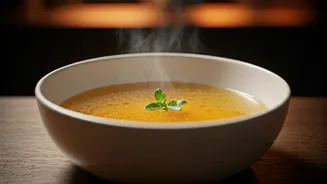
Ancient Indian wisdom has long understood the connection between season, diet, and well-being. According to Ayurveda, the monsoon season, or ‘Varsha Ritu’, is a time when the digestive fire, or ‘Agni’, is naturally weakened. The damp and humid atmosphere can make our bodies feel sluggish and our digestion slow. This is why Ayurveda advises against heavy, oily, and hard-to-digest foods during this time. Instead, it champions meals that are light, warm, and easy on the stomach. Brothy preparations fit this description perfectly. They are pre-digested to an extent, delivering nutrients without overburdening the digestive system. A simple lentil broth (dal ka paani), a vegetable soup, or a light stew provides essential nourishment in a form that the body can easily assimilate, helping maintain energy and balance when our internal systems are most vulnerable.
A Shield for Your Immunity
The monsoon is also notorious as the season of coughs, colds, and fevers. The fluctuating temperatures and increased humidity create a breeding ground for germs. This is where brothy meals reveal their superhero cape. Many traditional Indian broths are loaded with spices and herbs that are renowned for their immunity-boosting and medicinal properties. Think of a peppery South Indian rasam, infused with tamarind, tomato, pepper, and cumin. Or a North Indian shorba, fragrant with ginger, garlic, turmeric, and cloves. These ingredients are not just for flavour; they are powerful anti-inflammatory, antibacterial, and antiviral agents. A daily dose of a well-spiced broth can act as a delicious, preventative shield, helping your body stay strong and fight off seasonal illnesses.
A Culinary Tour of Comfort
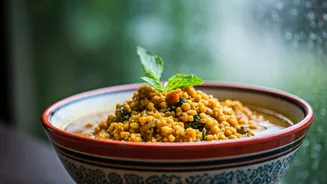
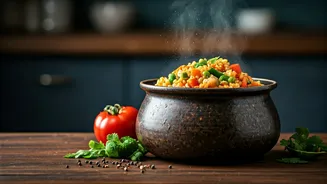
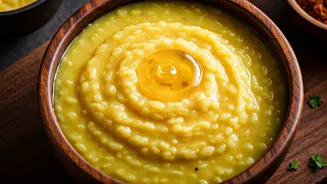
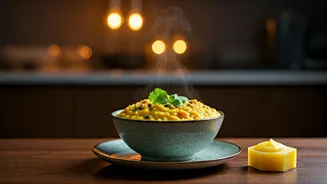
The beauty of the ‘brothy meal’ is its incredible diversity across India. This isn't just about a generic vegetable soup. In the south, it's the tangy, fiery rasam or the milder, coconut-milk-based sothi. In the west, you might find a comforting bowl of Gujarati osaman, a light and flavourful dal broth. Head north, and you’ll be greeted with rich and aromatic shorbas, from tomato to chicken. In the east, a simple jhol made with fish or vegetables provides light sustenance. Even our beloved khichdi can be prepared in a soupy, liquid consistency (geeli khichdi) to become the ultimate one-pot comfort meal. These dishes are a testament to our culinary ingenuity, showing how every region has perfected its own version of a liquid hero to combat the monsoon blues.
Hydration and Nourishment Combined
It seems counterintuitive, but it's easy to get dehydrated during the monsoon. We may not feel as thirsty due to the cooler temperatures and high humidity, leading us to drink less water. Brothy meals offer a clever solution. They are an excellent source of hydration, replenishing fluids while also delivering a payload of vitamins, minerals, and electrolytes from the vegetables, lentils, or meats simmered within. For someone feeling under the weather, a clear soup or broth is often the first and only thing they can stomach. It provides critical hydration and energy, gently nursing them back to health. It’s this dual function—as both food and restorative tonic—that cements its status as an indispensable part of monsoon life.