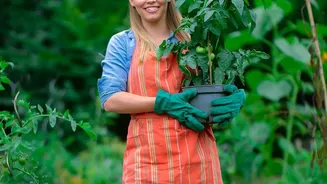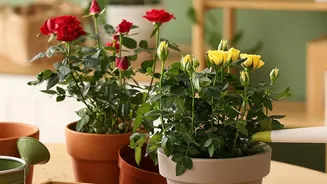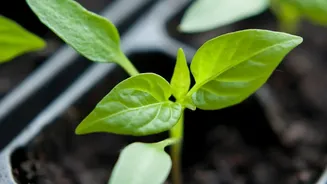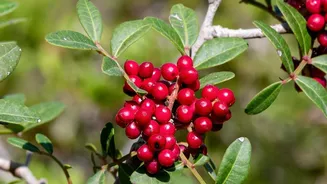

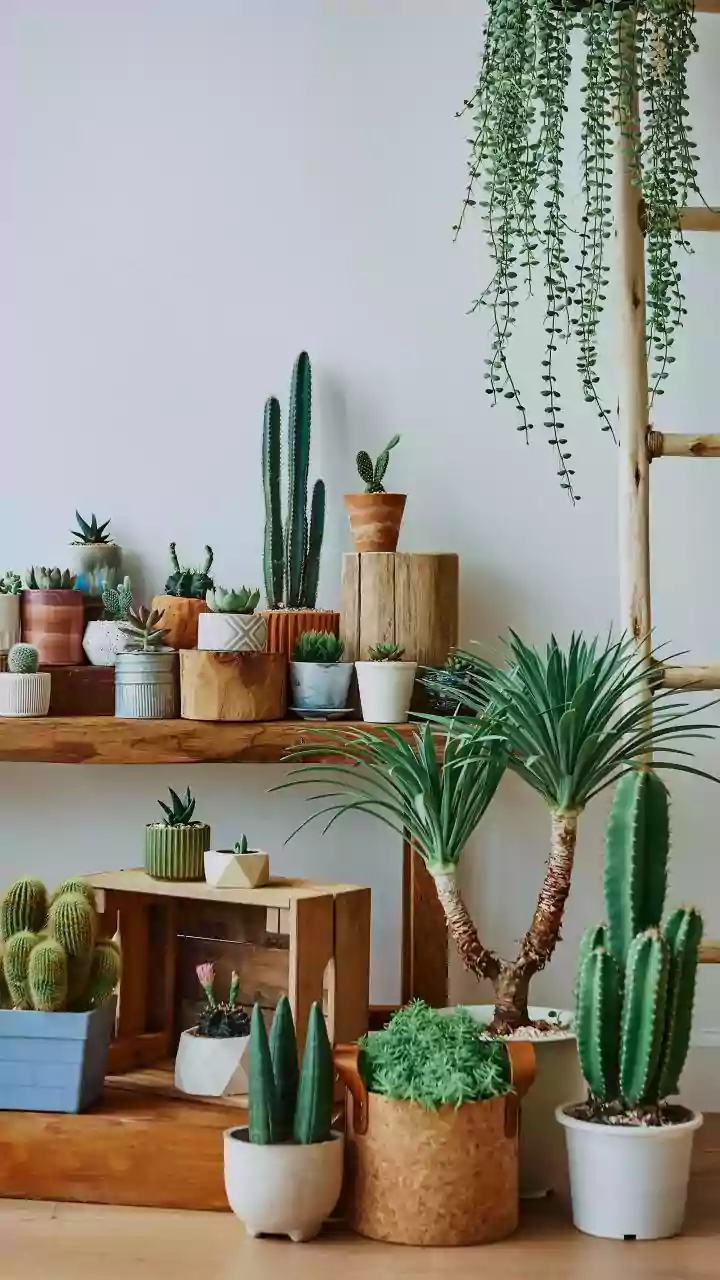


The dream of picking fresh fruit from a plant in your living room is captivating. But turning that vision into a reality requires more than just a pot and a seed. Here’s what you need to know to set realistic goals for indoor fruit gardening.
Managing Your Expectations
Before you
start, it's important to understand that growing fruit indoors is a rewarding hobby, but it's different from having an outdoor orchard. Indoor fruit trees and plants will likely be smaller and produce a more modest harvest. Success isn't measured in kilos, but in the satisfaction of nurturing a plant to fruition in a challenging environment. Patience is key; many plants, including cranberries, can take two to three years before they produce a reliable crop. Your primary investment will be time and attention, from daily watering checks to seasonal care.
The Cranberry Challenge
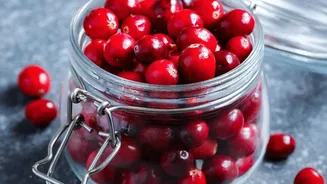
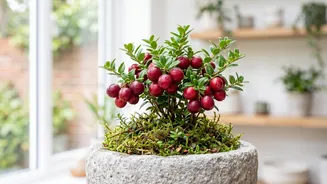
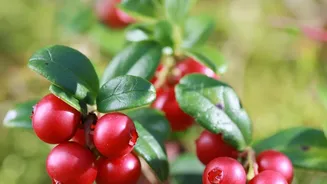
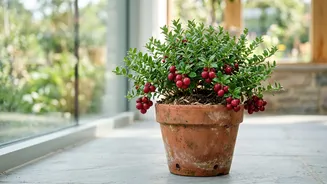
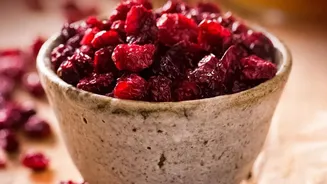
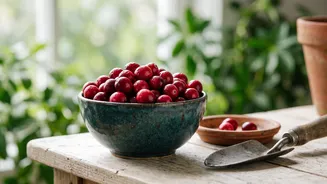
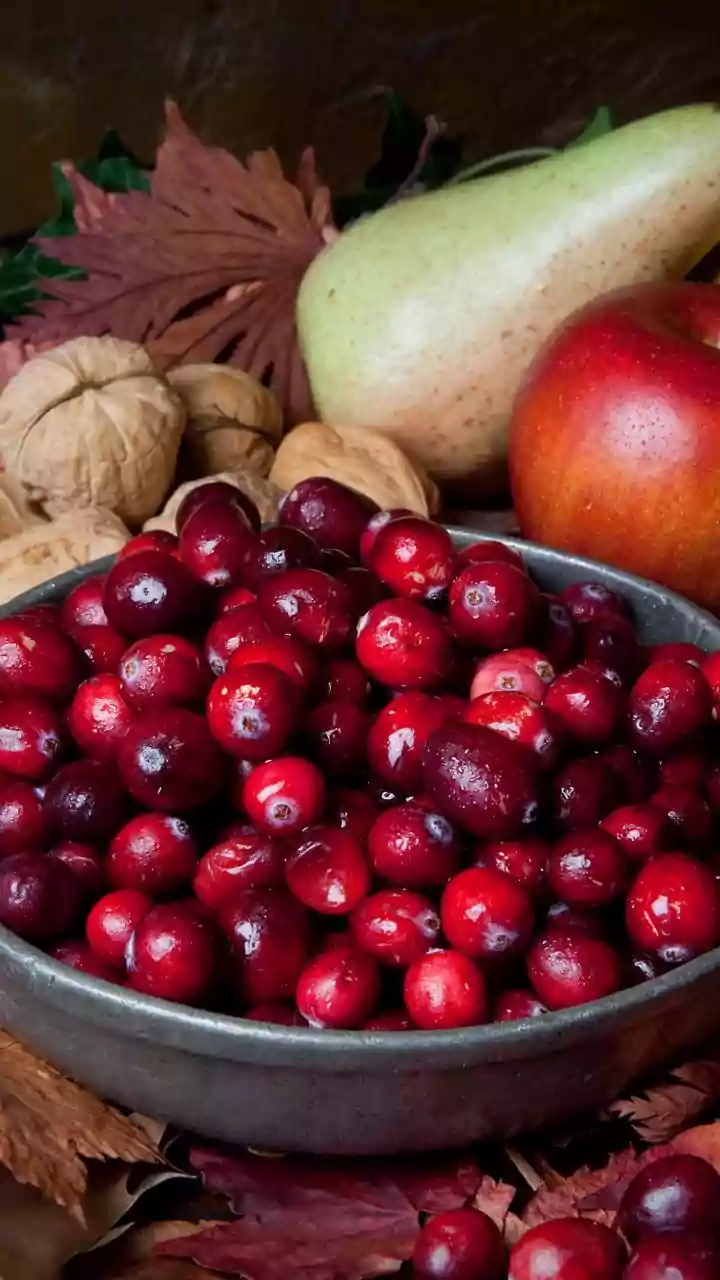
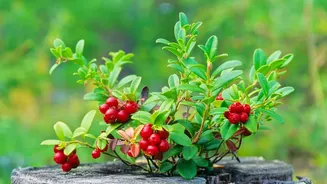
Cranberries are the highlight of the headline, and for good reason: they are unique. Unlike many houseplants, cranberries are bog plants that have very specific needs. First, they demand acidic soil with a pH between 4.0 and 5.5, which is far more acidic than standard potting mix. You'll need to use a special blend for acid-loving plants, like those for azaleas, or mix your own using peat moss and sand. Second, they have shallow roots and grow via runners, so they need a wide, trough-style container rather than a deep one. A pot that is at least a foot wide is a good start. Finally, they require consistently moist soil, but not waterlogged conditions, which can be tricky to manage indoors. While not impossible, growing cranberries indoors is an advanced project best suited for a patient gardener.
Easier Fruits for Indoor Beginners
If you're new to indoor gardening, you might want to start with a more forgiving plant before tackling cranberries. Dwarf citrus trees, like Meyer lemons or Kaffir limes, are popular choices because many are self-fertile and adapt well to containers. Figs, certain dwarf banana varieties, and even some strawberries can also thrive indoors with the right care. These plants are generally more tolerant of typical indoor conditions and can give you a successful first experience, building your confidence for more demanding fruits later on.
Light Is Your Most Critical Ingredient
Fruit production is an energy intensive process for a plant, and that energy comes from light. Most fruit bearing plants, including citrus and cranberries, need at least six to eight hours of direct sunlight per day. Placing your plant in a bright, unobstructed south facing window is ideal. However, for most homes, especially during winter, this isn't enough. You will likely need to supplement with a full spectrum LED grow light for 12–14 hours daily to ensure your plant has enough energy to flower and fruit successfully.
Pollination: Be the Bee
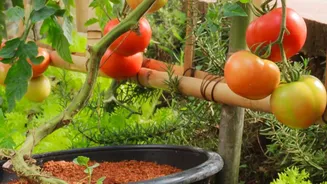
Outdoors, wind and insects take care of pollination. Indoors, that job falls to you. Many indoor fruit plants need a helping hand to produce fruit. Some plants, like tomatoes or peppers, have 'perfect' flowers with both male and female parts and just need a gentle shake or a vibrating touch from an electric toothbrush on the stem to release pollen. Others, like squash, have separate male and female flowers, requiring you to transfer pollen manually with a small, soft brush. For citrus, while many are self fertile, a gentle swirl inside the blossoms with a brush can significantly improve fruit set.
Watering and Soil Essentials
Proper watering is a balancing act. Container plants dry out faster than those in the ground, so you'll need to check the soil moisture daily, especially in summer. Water thoroughly when the top inch of soil feels dry, allowing excess to drain out completely. For a cranberry plant, this is even more crucial, as their roots need constant moisture without sitting in stagnant water. Using a well draining, appropriate soil mix is non negotiable. For most fruits, a standard potting mix works, but for cranberries, a highly acidic peat based mix is essential for survival.