


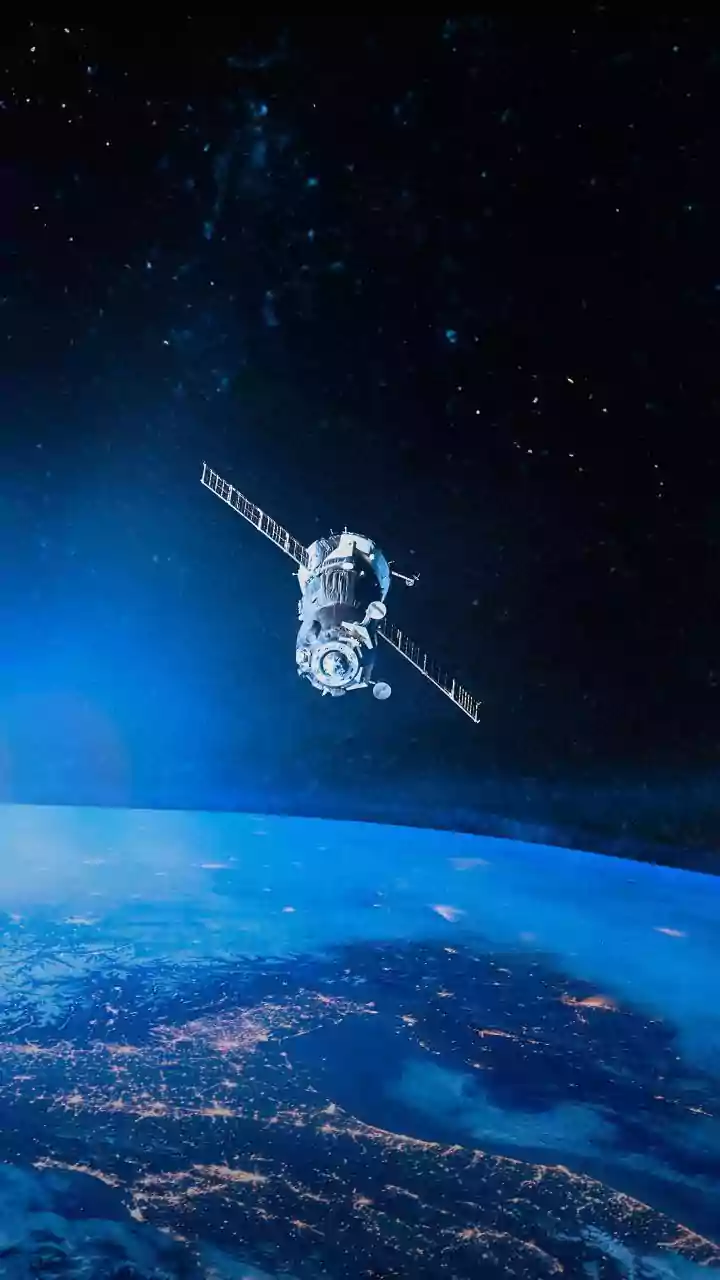



Look up soon—you might catch a glimpse of the future. SpaceX's giant Starship rocket is set to fly over India during its next ambitious test flight, a visible reminder of a new era in space exploration taking place right above our heads.
What is This Mission All About?
SpaceX is targeting
as soon as November 14, 2026, Indian Standard Time, for its fifteenth major Starship test flight. This mission is incredibly ambitious. The main goal is to launch the Starship spacecraft into orbit, deploy a batch of Starlink internet satellites, and then, for the first time ever, attempt to recover both the Super Heavy booster and the Starship upper stage by catching them back at the launch site in Texas. The mission is planned to last over 22 hours, during which the spacecraft will circle the Earth approximately 14 times before its return attempt. This flight follows the historic Flight 14, which was the first to successfully reach orbit and deploy a payload. A successful double-catch on Flight 15 would be a revolutionary step toward a fully and rapidly reusable rocket system.
Why Will It Fly Over India?
The flight path isn't a special detour; it's a matter of physics. To enter a stable orbit after launching eastward from Texas, a spacecraft's trajectory naturally carries it over various parts of the globe. The planned inclination for this mission means Starship's ground track will repeatedly cross over the Indian subcontinent. During its nearly day-long journey in space, the spacecraft will pass over the country multiple times. Previous suborbital test flights, like Flight 5, ended with a planned splashdown in the Indian Ocean, but this orbital mission will see the vehicle circle the entire planet. This makes India a prime location for skywatchers hoping to follow the mission.
Can You Actually See Starship from the Ground?
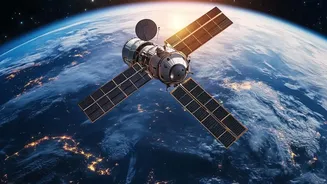
Spotting Starship from India is possible, but it won't be a massive, fiery spectacle for most of its passes. The spacecraft will be orbiting at an altitude of around 275 kilometres. To the naked eye, it will likely appear as a small, fast-moving point of light, similar to how the International Space Station looks, especially during passes at dawn or dusk when the craft is sunlit against a dark sky. You would need to know exactly when and where to look, using online satellite tracking applications. The most dramatic moments, like the plasma glow during re-entry, will only happen at the very end of the mission as it descends for its landing attempt back in Texas, not over India. While you won't see the rocket's full scale, the simple act of spotting it will be a connection to a historic moment in spaceflight.
What is Starship and Why is it a Big Deal?
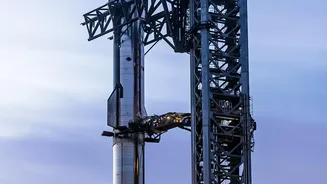
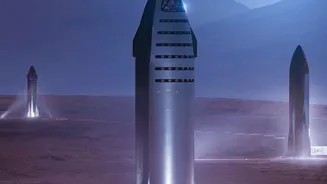
Starship is the most powerful rocket ever built, designed by SpaceX with the ultimate goal of carrying humans and cargo to the Moon, Mars, and beyond. It consists of a massive first_stage booster called Super Heavy and the upper_stage spacecraft, which is also named Starship. The key innovation is full reusability. Unlike traditional rockets that are discarded after one use, both parts of Starship are designed to fly back to Earth and be caught by giant 'chopstick' arms on the launch tower, ready to be refuelled and flown again quickly. This approach, if perfected, could dramatically lower the cost of accessing space, making interplanetary travel a realistic possibility.
A Sign of the Times for India's Space Journey
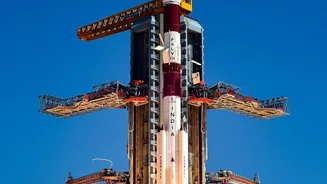
While Starship is an American commercial venture, its flight over India is symbolic. It highlights the accelerating pace of the global space industry, happening just as India's own space program reaches new heights. ISRO is making significant strides with its Gaganyaan human spaceflight program, which aims to send Indian astronauts into orbit by 2027, and is planning the Bharatiya Antariksh Station by 2035. India has also demonstrated advanced capabilities like autonomous space docking. The sight of a vehicle designed for Mars passing overhead serves as both an inspiration and a benchmark, illustrating the new landscape of space exploration where government agencies and private companies are pushing boundaries simultaneously. It's a reminder that the final frontier is getting closer for everyone.