





The Ancient Drink Making a Comeback
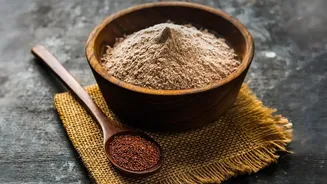
Meet Ambali, a traditional fermented beverage from South India, particularly cherished in states like Karnataka. At its core, Ambali is a simple, nourishing drink or thin porridge made from finger millet, popularly known as ragi. The process involves
cooking ragi flour with water, sometimes with leftover rice starch, and then allowing the mixture to ferment naturally overnight or for several hours. This fermentation process is what transforms the simple gruel into a gut-friendly powerhouse. Traditionally enjoyed as a cooling summer drink, Ambali can be prepared in two ways: savoury, by adding buttermilk, salt, and perhaps some finely chopped onions and herbs; or sweet, with a touch of jaggery.
A Natural Probiotic Powerhouse
Long before probiotic supplements lined pharmacy shelves, drinks like Ambali were the original gut-health champions. The fermentation process encourages the growth of beneficial lactic acid bacteria, making Ambali a natural probiotic. These friendly microbes are essential for maintaining a healthy gut microbiome, which plays a crucial role in everything from digestion to immunity. Regular consumption can help balance gut flora, potentially easing common digestive complaints like bloating and acidity. Furthermore, fermentation breaks down certain anti-nutrients in the millet, making minerals like iron and calcium more bioavailable for the body to absorb.
The Nutritional Might of Ragi
Beyond its probiotic qualities, Ambali’s health credentials come from its star ingredient: ragi. This robust millet is a nutritional titan. It is one of the best plant-based sources of calcium, crucial for bone health. It's also packed with dietary fibre, which aids in digestion and promotes a feeling of fullness, making it a valuable ally in weight management. For those managing blood sugar levels, ragi’s low glycemic index is a significant advantage, as it helps prevent sharp spikes in blood glucose. Being naturally gluten-free, Ragi Ambali is also an excellent and safe option for individuals with gluten intolerance or celiac disease.
From Village Staple to Urban Elixir
For generations, Ambali was a farmer’s breakfast, a source of sustained energy for a long day of work. Today, it’s finding a new audience in a very different setting: the urban wellness cafe. As health-conscious city dwellers increasingly turn away from processed drinks and towards authentic, local superfoods, Ambali is emerging as a perfect fit. It ticks all the boxes for the modern wellness consumer: it's natural, functional, plant-based, and rooted in Indian tradition. Cafes dedicated to holistic and healthy eating are beginning to feature it as a homegrown alternative to global health trends. This revival isn’t just about health; it's a cultural reclamation, celebrating the profound wisdom of ancestral diets.
An Acquired Taste Worth Acquiring
For the uninitiated, the flavour of Ambali can be a unique experience. The fermentation gives it a distinctly tangy, slightly sour taste, complemented by the earthy notes of ragi. When served savoury with buttermilk and spices like cumin, it becomes a refreshing, spiced cooler, not unlike a thin, earthy chaas. The sweet version, with jaggery, offers a rustic, wholesome sweetness. Its re-emergence on modern menus is a testament to a growing appreciation for complex, authentic flavours over one-dimensionally sweet beverages. It represents a return to foods that nourish deeply and tell a story of their origin.