





As winter arrives, so does the dreaded hair static that makes your strands defy gravity. You may have heard the whisper of a strange solution: a dryer sheet. But does this laundry room staple actually work, and is it a good idea?
Why Winter Is War on Your Hair
Before we get to the fix,
let's understand the problem. Static electricity in your hair happens when it builds up an electric charge. This is a year-round phenomenon, but it goes into overdrive during winter. Cold, outdoor air holds very little moisture, and indoor heating systems make the air even drier. This lack of humidity prevents the electric charges from dissipating. Your hair, especially if it's dry or fine, becomes more susceptible. When you pull a wool hat or a synthetic scarf over your head, the friction causes your hair to gain electrons, giving it a negative charge. Since each strand has the same charge, they start to repel each other, leading to that familiar flyaway, floating effect.
The Dryer Sheet Hack: How It Works
Enter the humble dryer sheet. It might seem odd, but the science is sound. Dryer sheets are designed to combat static cling in your laundry, and they use the same principle on your hair. They are coated with cationic surfactants—positively charged compounds with a waxy or fatty texture. When you lightly rub a dryer sheet over your negatively charged hair, it transfers these positive ions. This neutralizes the electrical imbalance, instantly calming the static and making your hair lie flat again. Some people even wipe them on brushes or leave them under a pillow at night to preemptively tackle static.
But Is It a Good Idea?
While the hack certainly works in a pinch, it’s not an ideal long-term solution. Dryer sheets are loaded with chemicals and heavy fragrances that are designed to stick to fabric, not your hair or skin. These ingredients can leave a waxy buildup on your strands, weighing them down, making them look greasy, and potentially dulling their shine over time. For those with sensitive skin, eczema, or allergies, these chemicals and fragrances can be a significant trigger for irritation on the scalp, face, and neck. Dermatologists often recommend that people with reactive skin avoid these products on their laundry, so applying them directly to your head might not be the best move.
Smarter, Hair-Safe Alternatives
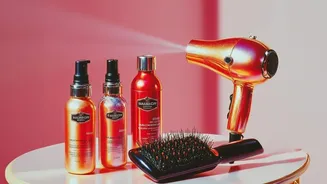
Luckily, there are many ways to fight static without raiding your laundry room. The key is to add moisture back into your hair and your environment. Using a moisturizing shampoo and conditioner is your first line of defense. A weekly hair mask can also make a huge difference. For on-the-go fixes, a leave-in conditioner spray or an anti-static hair spray is a fantastic option. These products are specifically formulated to neutralize static and add moisture without the harsh chemicals found in dryer sheets. You can also spray a bit of hairspray onto a brush and then run it through your hair to evenly distribute the product and tame flyaways.
Lifestyle Tweaks for Taming Static
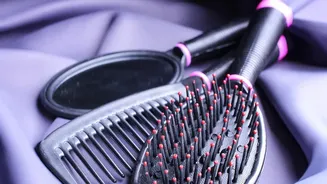
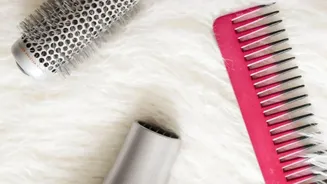
Beyond products, a few simple changes can make a big impact. Swapping your plastic comb for one made of metal can help, as metal conducts electricity and can help discharge the static. Using an ionic hair dryer is another great tool, as it emits negative ions to help neutralize the charge. At home, running a humidifier will add moisture back into the air, benefiting your hair, skin, and sinuses. Finally, consider your pillowcase. Traditional cotton can cause friction, but sleeping on a silk or satin pillowcase allows your hair to glide across the surface, reducing the buildup of static overnight.