




Hanle, Ladakh: India's Premier Dark Sky Reserve
For the ultimate stargazing experience, look no further than Hanle in Ladakh. Designated as India's first official Dark Sky Reserve, this high-altitude village in the Changthang region sits at about 4,500 metres, offering some of the clearest and darkest
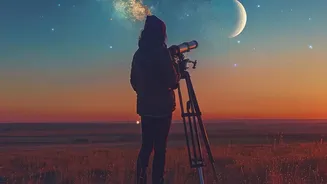
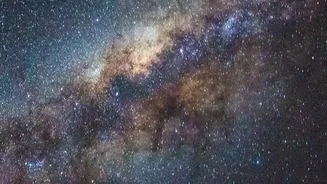
skies on the planet. Its remote location, dry air, and minimal light pollution create near-perfect conditions for astronomy. The reserve is home to the Indian Astronomical Observatory, one of the world's highest, confirming its status as a top-tier scientific and tourist destination for celestial viewing. The area is so dark that the Milky Way is often visible to the naked eye, offering a truly immersive cosmic spectacle. The best time to visit is from May to September when the roads are accessible.
Spiti Valley, Himachal Pradesh: A High-Altitude Desert Canvas
Often called a 'world within a world', the cold desert of Spiti Valley is a paradise for stargazers. With an average elevation of over 3,800 metres and more than 250 clear nights a year, light pollution is virtually non-existent. Villages like Kibber, Langza, and Komic are perched at extreme altitudes, providing a crystal-clear window to the universe. Here, the Milky Way isn't just a faint band; it's a brilliant arc stretching across the sky. What makes Spiti unique is the blend of astronomical wonder with ancient culture, as you can gaze at the stars from the courtyards of centuries-old monasteries. The ideal window for a visit is from May to October, when the weather is most favourable.
Rann of Kutch, Gujarat: Stars Over the Salt Desert
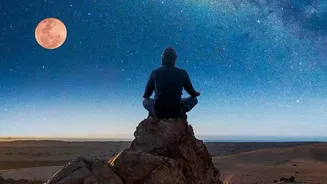
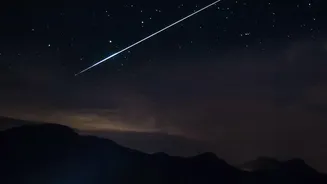
The Great Rann of Kutch offers a stargazing experience unlike any other. This vast expanse of white salt desert has an unobstructed, 360-degree horizon and is far from major city lights, making it one of India's darkest spots. During the Rann Utsav festival, held from November to February, visitors can stay in tent cities and walk out onto the salt flats for an incredible celestial show. On new moon nights, the sky is a canvas of stars, planets, and even meteor showers like the Geminids in December. On full moon nights, the salt desert glows with reflected moonlight, creating a surreal landscape where you can still see a sky full of bright stars.
Coorg, Karnataka: Celestial Beauty in the Western Ghats
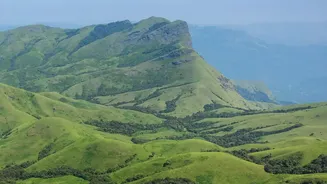
You don't need to travel to a desert or high-altitude mountain to find incredible night skies. Coorg, nestled in the Western Ghats, offers a surprisingly clear view of the cosmos, especially in the winter months when humidity is low. The region's coffee plantations and lush hills create pockets of darkness perfect for stargazing. Several eco-lodges and homestays in towns like Madikeri organize stargazing sessions, sometimes with telescopes. The Tadiandamol Peak, the highest in Kodagu, is another excellent spot for an unfiltered view of the constellations. It’s an accessible option for those in South India looking to escape city lights for a night under the stars.
Essential Tips for Your Stargazing Adventure
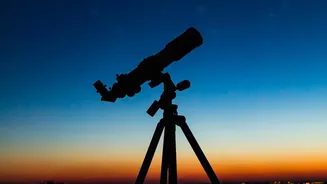
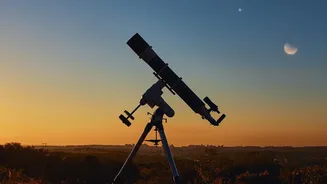
To make the most of your trip, timing is everything. Plan your visit around the new moon, as a bright full moon can wash out fainter stars and the Milky Way. Download a stargazing app like Stellarium or SkyView to help you identify constellations and planets. Pack warm clothes, even if you're visiting a warmer region, as nights can get surprisingly cold when you're sitting still. Use a red-light torch instead of a white one to preserve your night vision; it takes about 20-30 minutes for your eyes to fully adapt to the dark. Finally, while a telescope is a great tool, a good pair of binoculars can also reveal stunning details of the Moon's craters, Jupiter's moons, and distant star clusters.