




The Simple Science of Sub-Irrigation
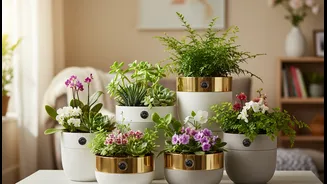
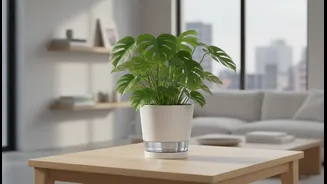
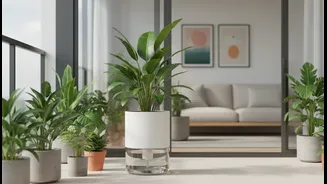
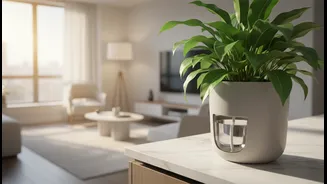
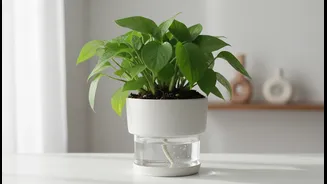
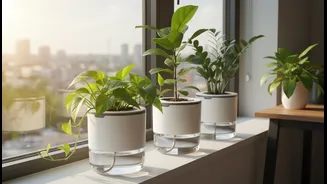
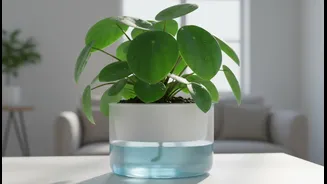
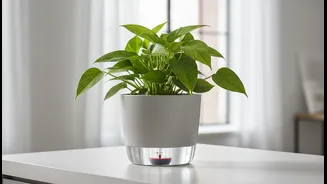
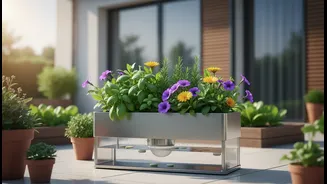
So, how do these seemingly magical pots work? The secret isn't magic at all, but a simple scientific principle called capillary action. Most self-watering planters consist of two main parts: a growing bed for the soil and plant, and a water reservoir
below it. Water moves from the reservoir up into the soil through a wicking system—this could be a fabric wick, porous legs, or even the soil itself extending into the water. Capillary action is the same force that allows a paper towel to soak up a spill, pulling liquid through narrow spaces against gravity. As the plant’s roots absorb moisture from the soil and water evaporates from its leaves, the soil begins to dry, creating a demand that pulls more water up from the reservoir. This creates a self-regulating cycle, allowing the plant to 'drink' exactly what it needs, when it needs it.
Why They’re a Game-Changer
The primary appeal of self-watering planters is convenience. For those with busy schedules or who travel frequently, they eliminate the need for daily watering, often keeping plants hydrated for a week or more. This bottom-up watering method also promotes healthier, stronger root systems. Because the plant's roots grow downward in search of the consistent moisture source, they become more robust. Furthermore, this system drastically reduces the two most common causes of houseplant demise: overwatering and underwatering. The reservoir system ensures the soil remains consistently moist but not waterlogged, which helps prevent root rot. It’s also a more water-efficient method, as the enclosed design minimises evaporation and delivers water directly to the roots where it’s needed.
Not a One-Size-Fits-All Solution
While incredibly useful, self-watering planters are not suitable for every plant or situation. Plants that prefer to dry out completely between waterings, such as succulents, cacti, and snake plants, can be susceptible to overwatering and root rot in these systems. They are best suited for plants that thrive in consistently moist soil. In very humid climates, the soil may not dry out fast enough, potentially leading to waterlogged conditions, so it's wise to monitor the plant. The initial cost can also be higher than traditional pots, although many users find the investment pays off in saved time and fewer dead plants.
The Best Plants for the Job
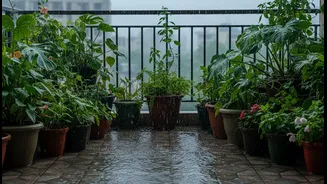
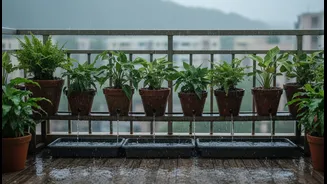
Many popular houseplants in India are perfect candidates for self-watering planters. Moisture-loving tropicals like the Peace Lily, which is known for wilting dramatically when thirsty, remain consistently perky. Kitchen herbs such as Tulsi (Holy Basil), mint, and parsley also do exceptionally well, as they require steady hydration to produce fresh leaves. Other great choices include Spider Plants, African Violets, and various ferns. Even forgiving plants like Pothos can adapt well. For outdoor balconies, these planters are excellent for growing vegetables like tomatoes and peppers, as the consistent water supply can help prevent issues like blossom end rot.