
The Science of a Greener Workspace
Before we get to the 'how', let's cover the 'why'. The concept of biophilia suggests that humans have an innate tendency to connect with nature. Introducing plants into your workspace isn't just about aesthetics; it's about leveraging this connection
for tangible benefits. Studies have shown that the presence of indoor plants can significantly reduce work-related stress and anxiety. The green hues promote a sense of tranquility, and some research indicates that just having a plant on your desk can lower stress indicators. Furthermore, plants have been linked to increased productivity, creativity, and concentration, with some studies suggesting memory retention can improve by up to 20%. They can also help improve indoor air quality by absorbing pollutants and regulating humidity, creating a healthier environment for you to thrive in.
Choosing Your First Green Coworker
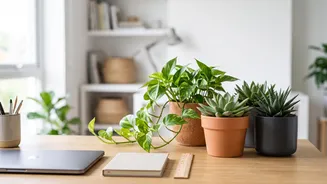
The first step for any beginner is to choose a plant that is forgiving. You don't need a green thumb to get started, just the right plant. Look for low-maintenance varieties that tolerate a range of conditions, especially the lower light common in home offices. The Snake Plant (Sansevieria) is a popular choice because it's incredibly resilient, requires infrequent watering, and can survive in low light. Another great option is the ZZ Plant (Zamioculcas zamiifolia), known for its waxy, dark green leaves and ability to thrive on neglect. For those who want something that trails, a Pothos is nearly indestructible and looks great spilling over the side of a shelf or pot.
Hack 1: Think Vertically, Not Horizontally
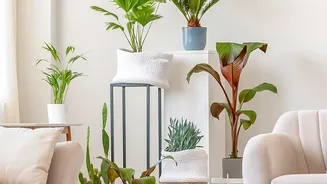
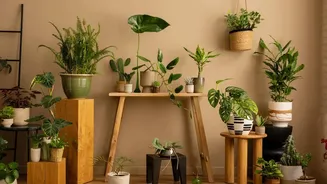
When desk space is at a premium, the only way to go is up. Instead of taking up valuable real estate next to your keyboard, utilize the vertical space around your desk. A small, multi-tiered shelf placed on the corner of your desk can hold several small plants without interfering with your work area. You can also install small floating shelves on the wall above your monitor. This not only saves space but creates a beautiful, green backdrop that can make video calls a little more interesting. This layered look transforms an empty wall into a mini indoor garden.
Hack 2: Defy Gravity with Hanging and Magnetic Planters
Free up your surfaces completely by suspending your plants. Hanging planters are a fantastic way to add greenery without sacrificing any desk or floor space. You can hang plants like String of Pearls or trailing Philodendrons from the ceiling or from wall-mounted hooks. This creates a dynamic, bohemian look. For an even more minimalist hack, consider magnetic planters. These small pots can stick to the side of a metal filing cabinet, a lamp base, or a magnetic board on your wall, allowing you to place a tiny succulent or air plant in an unexpected spot. This is perfect for tucking a bit of nature into the corner of your desk or bedside table.
Hack 3: Get Creative with Containers
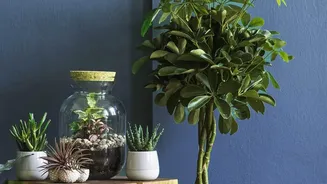
Your planter doesn't have to be a traditional pot. Think outside the box to save space and add personality. Small, cute plants like succulents can be placed in unconventional containers like teacups, glass jars, or small tins. This upcycling approach is both eco-friendly and stylish. For a truly minimalist approach, look into air plants. These unique plants don't require any soil and can be placed in small holders, on a piece of driftwood, or even within a decorative wireframe. They absorb nutrients from the air, making them incredibly low-maintenance and perfect for a clutter-free desk.
Basic Care for the Busy Beginner
The biggest mistake beginners make is overcaring, especially with watering. For most easy-care desk plants like Snake Plants and ZZ Plants, it's best to let the soil dry out almost completely between waterings. This might mean watering only every 2-4 weeks. Always check the soil first. As for light, most 'office-friendly' plants are chosen for their ability to tolerate low to medium indirect light. Try to place them in a spot where they get some natural light, but avoid direct, harsh sun which can scorch their leaves. That’s it. Don't overthink it; these plants are chosen for their resilience.