




Your Body's Built-In Brakes
Deep within your body runs the vagus nerve, a crucial part of your parasympathetic nervous system. Think of this system as your body's natural brakes, responsible for the 'rest and digest' functions that counter our 'fight or flight' stress response.
When the vagus nerve is stimulated, it sends signals to slow your heart rate, regulate your breathing, and tell your brain and body that the emergency is over, helping you relax. A poorly functioning or 'low tone' vagus nerve is linked to conditions like anxiety and chronic stress, making healthy stimulation a key part of wellness.
The 'Diving Reflex' Explained
So, how does cold water fit in? It triggers a powerful, involuntary reaction called the mammalian diving reflex. This reflex is an ancient survival mechanism seen in all air-breathing vertebrates. When your face, particularly the area around your eyes and cheeks, is submerged in cold water while you hold your breath, it sends a powerful signal through the trigeminal nerve directly to the vagus nerve. The body immediately responds by slowing the heart rate and redirecting blood flow to vital organs, all in an effort to conserve oxygen. This physiological shift effectively forces your nervous system out of a stressed state and into a calmer one.
A Step-by-Step Guide to Your Reset
Ready to try it? The process is straightforward. First, fill a bowl large enough to fit your face with cold water and add some ice. Let it sit for a moment to get chilly. Take a deep breath in, hold it, and submerge your face for 15 to 30 seconds. Ensure the water covers your forehead, eyes, and cheeks to properly trigger the reflex. You can start with shorter durations of just 10 seconds and build up as you get comfortable. After the time is up, lift your face, breathe, and pat your skin dry gently. You can repeat the cycle two or three times if needed.
Tips for a Safe and Effective Plunge
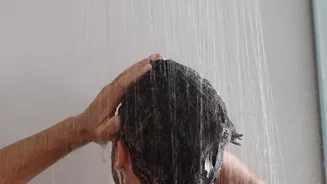
While this technique is generally safe, a few guidelines will ensure it remains a positive experience. Don't push yourself to hold your breath to the point of discomfort. If a full facial dunk feels too intense, you can get similar, albeit milder, benefits by splashing your face with cold water, taking a cold shower, or pressing a bag of ice against your cheeks and forehead. The effects on skin puffiness and pore appearance are temporary, so view this as a nervous system tool rather than a long-term skincare treatment. People with sensitive skin, rosacea, or fragile capillaries should be cautious, as extreme cold can sometimes cause irritation or redness.