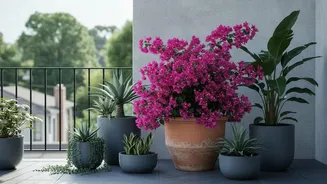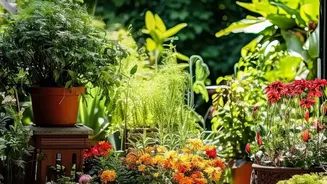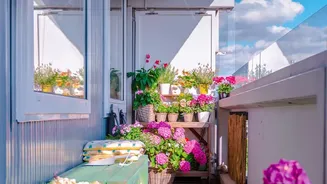




The Core Challenge: Waterlogging
For the urban gardener, the single biggest challenge during the monsoon is not a lack of water, but an excess of it. When heavy rains saturate the soil in a pot, all the air pockets that roots need to breathe get filled with water. This condition, known
as waterlogging, effectively drowns the roots, cutting off their oxygen supply. The initial symptoms can be confusingly similar to a lack of water—wilting leaves, yellowing, and stunted growth—as the damaged roots can no longer absorb nutrients properly. Fungal diseases and root rot are quick to follow in these anaerobic conditions, often producing a sour smell from the soil. The key to a thriving monsoon balcony is, therefore, twofold: choosing plants that can handle 'wet feet' and ensuring your setup promotes excellent drainage.
The Golden Rule: Prioritise Drainage
Before you even consider which plants to buy, assess your setup. Proper drainage is non-negotiable. Ensure every pot has multiple, clear drainage holes at the bottom. A common myth is that adding a layer of gravel at the bottom improves drainage, but this can actually create a perched water table, keeping the root zone wetter for longer. Instead, use a light, well-aerated potting mix throughout the container. A mix of garden soil, compost, and coco peat or perlite can prevent the soil from becoming compacted by heavy rain. Also, elevate your pots. Placing them on bricks or pot stands prevents them from sitting in pools of water on the balcony floor, allowing excess water to drain away freely and air to circulate underneath.
Monsoon Champion: Colocasia (Elephant Ear)
If there's one plant that treats the Indian monsoon like a spa day, it's Colocasia. Commonly known as elephant ears, these plants love moisture and humidity. Their large, dramatic leaves can double in size between June and September, turning your balcony into a tropical paradise. While they love water, good drainage is still important to prevent tuber rot in a container setting. They are perfect for filling a corner and creating a lush, green backdrop. The constant moisture and humid air of the monsoon provide the ideal environment for these plants to flourish.
Rain-Loving Bloomers: Balsam and Rain Lily
Balsam (Gul Mehndi) is a classic Indian monsoon annual for a reason. It thrives in the rainy season, producing vibrant flowers with minimal fuss. Sow the seeds in June, and you'll be rewarded with continuous blooms through August and September. Another magical monsoon plant is the Rain Lily (Zephyranthes). Its bulbs often lie dormant during the summer, but the first proper showers awaken them, causing them to send up delicate flowers almost overnight. Both are perfectly suited to pot culture and require little more than the rain that nature provides.
Hardy and Resilient: Ferns and Spider Plants
Many ferns, like the Boston Fern, might look stressed and tired during the peak heat of May, but they explode with new growth in the humidity of July and August. The high moisture in the air is exactly what they need to produce lush, green fronds. Similarly, the humble Spider Plant goes into overdrive during the monsoon, producing its 'babies' or plantlets at a rapid pace. These can be easily snipped and potted up, giving you an endless supply of new plants to fill hanging baskets and railing planters.
Fragrant Favourite: Jasmine (Mogra)
The fragrance of a wet Jasmine (Mogra) on a rainy evening is an experience in itself. These plants flower more profusely as the humidity rises, making the monsoon their peak season. While they are sun-lovers, they handle the frequent watering of the monsoon season well, provided they are in well-draining soil. Their intoxicating scent makes them a must-have for any balcony garden, turning a rainy day into a sensory delight.
Plants to Protect
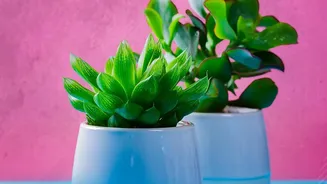
Just as important as choosing the right plants is knowing which ones to move. Plants with thick, fleshy leaves that store water, such as succulents, Echeveria, Aloe Vera, and Jade Plants, hate standing in rain. One week of daily downpours can cause their roots to rot. These plants should be moved under a covered section of the balcony where you can control their water intake. Even the tough Snake Plant, which tolerates high humidity, prefers not to be waterlogged.