







The New Blueprint for Maintenance
Transitioning to an electric fleet fundamentally changes vehicle maintenance. While EVs have fewer moving parts than internal combustion engine (ICE) vehicles—eliminating oil changes and reducing wear on many components—they introduce new complexities.
The primary focus shifts to battery health management, software diagnostics, and high-voltage electrical systems. Fleet operators can see maintenance costs drop significantly over the vehicle's lifetime, but this requires investment in new diagnostic tools and, crucially, a skilled workforce. There is a growing need for technicians trained specifically in EV systems, covering everything from battery pack handling to troubleshooting advanced electronics, a skill set that is currently in short supply in India.
Powering Operations: The Charging Challenge
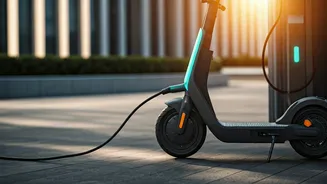
An effective charging strategy is the backbone of any electric fleet. For commercial operations, which depend on vehicle uptime, this goes far beyond simply installing a few chargers. The main challenge is creating a reliable and accessible charging infrastructure tailored to the fleet's specific routes and schedules. Solutions range from overnight depot charging for vehicles that return to a central hub, to on-route fast charging for long-haul transport and home charging for employees. However, India's public charging network is still developing, with gaps outside major cities. This makes depot charging and partnerships with charging network providers crucial. Furthermore, smart charging software is essential for managing energy consumption, scheduling charging during off-peak hours to reduce costs, and monitoring real-time vehicle status to optimize fleet availability.
Upskilling the Workforce for a New Era
The human element is just as critical as the hardware. Both drivers and maintenance staff require comprehensive training to adapt to electric vehicles. For drivers, this involves learning new techniques to maximize range, such as understanding regenerative braking and efficient driving practices. For technicians, the training is even more intensive. They must be certified to handle high-voltage systems safely and proficiently use new diagnostic tools. Several institutions and companies in India have started offering specialized EV technician courses to address this skill gap, covering EV architecture, battery management, and safety protocols. Without this investment in human capital, fleets risk increased downtime and safety issues, undermining the potential cost savings of electrification.
Building an Integrated Support Ecosystem
Ultimately, maintenance, charging, and training are not separate issues but interconnected pillars of a single, integrated support ecosystem. A successful EV fleet strategy requires a holistic approach that plans for all three from the outset. Many companies find that partnering with specialized fleet management companies (FMCs) or end-to-end solution providers can streamline this complex transition. These partners can offer everything from initial assessments and vehicle selection to the deployment and ongoing management of charging infrastructure, maintenance programs, and driver training. By bundling these services, businesses can ensure that their fleet operates efficiently, safely, and cost-effectively, realizing the full long-term benefits of going electric.