






Why Warming Up Is Non-Negotiable
Jumping straight into a workout with 'cold' muscles is a recipe for strains and sprains. A proper warm-up is your insurance policy against injury. It gradually increases your heart rate and body temperature, sending more oxygen-rich blood to the muscles you're
about to use. This process makes muscles more pliable and improves their flexibility and elasticity. Beyond injury prevention, a good warm-up enhances performance. It primes your neuromuscular system, improving coordination and reaction time, which is essential for the dynamic movements common in playground workouts. It also lubricates your joints, allowing for a smoother, greater range of motion during exercises like pull-ups and squats.
Phase 1: Raise Your Heart Rate
The first goal is to gently elevate your heart rate and get your body warm. This should take about three to five minutes of light aerobic activity. You don't need any special equipment; the playground itself provides everything you need. A brisk walk or light jog around the perimeter of the play area is a perfect start. To make it more engaging, mix in some classic movements like jumping jacks, high knees, or butt kicks. These simple exercises engage major muscle groups and begin the process of preparing your cardiovascular system for the work ahead without causing fatigue.
Phase 2: Dynamic Stretching for Mobility
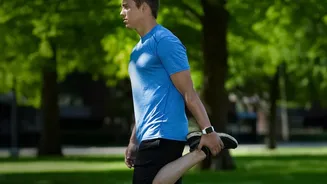
Forget the old-school advice of holding a stretch for 30 seconds before you exercise. Pre-workout stretching should be dynamic, meaning you are moving through a range of motion. Static stretching can temporarily reduce muscle power, which is the opposite of what you want before a workout. Dynamic stretches actively prepare your joints and muscles for the specific movements you'll be doing. Good examples for a playground setting include arm circles (both forward and backward), torso twists, and leg swings while holding onto a pole for balance. Walking lunges are also excellent for warming up the hips and legs.
Phase 3: Activate Key Muscle Groups
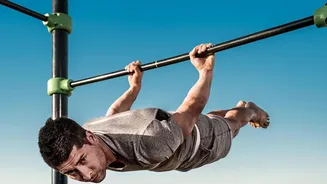
The final step is to 'wake up' the specific muscles you'll be targeting. This helps ensure they fire correctly during your main exercises, improving your form and stability. If you plan on doing pull-ups or anything involving hanging, scapular pull-ups are essential. Simply hang from a bar and, keeping your arms straight, pull your shoulder blades down and together, then relax. For pushing movements like push-ups or dips, warming up the wrists and shoulders is key. Perform wrist circles and incline push-ups against a bench or wall to activate the chest and shoulder stabilisers. Bodyweight squats are a must to prepare for any lower-body exercises.
Your 10-Minute Playground Warm-Up Plan
Here is a simple, effective routine you can follow before any playground workout: 1. Light Jog or Brisk Walk: 2-3 minutes around the playground. 2. Jumping Jacks: 60 seconds to elevate the heart rate. 3. Arm Circles: 30 seconds forward, 30 seconds backward. 4. Leg Swings: 10-12 swings per leg, forward-and-back and side-to-side, while holding a support pole. 5. Torso Twists: 30 seconds of gentle twisting from side to side. 6. Bodyweight Squats: 15-20 controlled repetitions to warm up the hips, glutes, and quads. 7. Incline Push-ups: 10 repetitions against a park bench to activate your upper body. 8. Scapular Pull-ups: 5-8 repetitions on a low bar or monkey bars.