



The Monsoon's Allure and Power
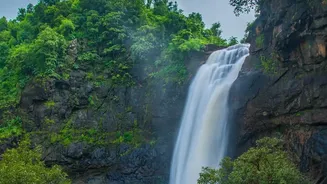
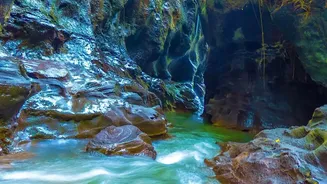
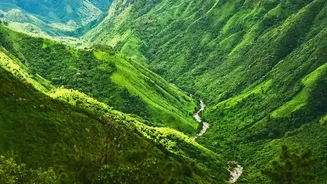
Meghalaya, aptly named 'the abode of clouds', becomes a paradise for adventure seekers when the monsoon arrives. The landscape, which receives some of the heaviest rainfall on Earth, is carved by rivers that swell into powerful forces of nature, creating
perfect conditions for canyoning—a sport that involves navigating gorges by swimming, rappelling, and jumping. This seasonal transformation offers a unique, adrenaline-pumping experience through lush forests and deep ravines. However, this high volume of water also creates significant hazards. The currents are strong, the riverbeds shift, and the water hides powerful features known as hydraulics, which can be treacherous even for experienced adventurers.
Decoding River Hydraulics
To safely navigate a monsoon-fed river, you must first understand its language. The most critical features to identify are hydraulics, also known as 'holes'. These occur when water flows over an obstacle, like a submerged boulder or ledge, and curls back on itself, creating a recirculating current that can trap a person or a boat. Other key features include eddies, which are calmer pockets of water that form behind obstacles and offer a safe place to rest or plan your next move. Conversely, 'strainers' are dangerously deceptive obstacles like fallen trees that allow water to pass through but will trap a person. Recognizing the difference between a playful wave and a dangerous hydraulic is a fundamental safety skill.
Reading the Water: Your First Defence
Proactive observation is your best defence. Before committing to a section of the river, take the time to scout from the bank. Look for tell-tale signs of underlying features. A 'horizon line'—where the river seems to disappear—often indicates a drop or a significant hydraulic. The surface texture of the water tells a story: smooth, glassy 'V' shapes pointing downstream indicate a clear, deep channel, while 'V's pointing upstream suggest water flowing around a submerged obstacle. Churning, frothy water that appears to be boiling is a clear sign of a powerful recirculating hydraulic that should be approached with extreme caution or avoided altogether.
Active Navigation and Escape Techniques
When encountering a hydraulic is unavoidable, technique is everything. The primary rule is to maintain momentum. Paddling aggressively and keeping your craft pointed directly downstream can help you punch through smaller holes. If you find yourself caught in a hydraulic, staying calm is crucial. For swimmers, the key is often to dive deep, as the recirculating current is strongest at the surface. Swimming towards the side of the hydraulic, rather than directly against the main current, can also help you escape its pull. It's also vital to learn defensive swimming techniques, like floating on your back with your feet pointed downstream, to protect yourself from rocks in fast-moving water.
Essential Gear and Team Strategy
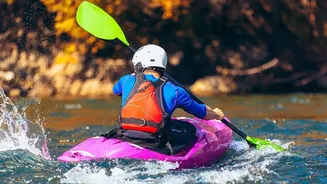
Never attempt monsoon canyoning without the right gear and a solid team. Essential personal equipment includes a properly-fitted helmet, a high-flotation life jacket (Personal Flotation Device or PFD), and sturdy footwear with excellent grip. Your group should also carry safety equipment like throw ropes and have a clear communication system. Canyoning is not a solo sport; always go with experienced partners or a certified local guide. A well-briefed team works together to set safety points, scout rapids, and provide immediate assistance if someone gets into trouble.
The Golden Rule: When to Walk Away
The most important skill in canyoning is knowing your limits and respecting the river's power. There is no shame in portaging—getting out of the water and walking around a rapid or feature that you deem too dangerous. Weather conditions can change rapidly in Meghalaya, and a manageable river can become a deadly torrent in minutes. Always check the forecast, listen to the advice of local guides, and be prepared to change your plans or turn back. The canyon will be there another day. A smart decision to walk away is a mark of an experienced adventurer, not a defeated one.